Blood sugar management has become one of the most searched health topics worldwide. With rising cases of prediabetes and type 2 diabetes, people are constantly looking for simple, natural strategies that actually work.
One trending concept is the “10 Second Peanut Trick to Lower Blood Sugar.”
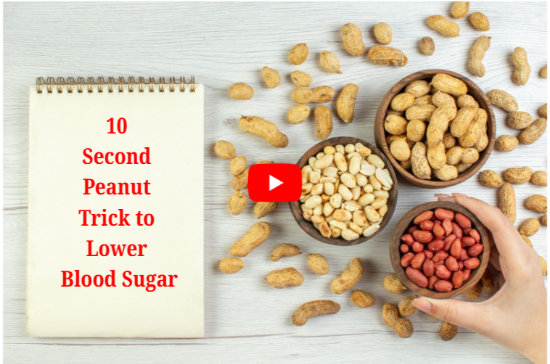

The 10-second peanut trick may help lower blood sugar by slowing carb absorption, improving insulin response, and reducing glucose spikes naturally.
But does this quick method truly help? Is it backed by science? And how can you use it safely and effectively?
In this comprehensive guide, we’ll explore:
-
What the 10 second peanut trick actually is
-
The science behind peanuts and blood sugar control
-
How protein and healthy fats slow glucose spikes
-
Best timing strategies
-
Who should use it (and who shouldn’t)
-
Practical implementation tips
-
Comparison tables and evidence breakdown
-
Lifestyle combinations for better results
Managing blood sugar is not about one magic trick—it’s about understanding how your body processes food and using smart nutritional strategies consistently.
What Is the 10 Second Peanut Trick?
The “10-second peanut trick” typically refers to:
Eating a small portion of peanuts (usually 8–12 peanuts) about 10 seconds before or after consuming carbohydrates to reduce post-meal blood sugar spikes.
The idea is simple:
-
Peanuts contain healthy fats, protein, and fiber
-
These nutrients slow digestion
-
Slower digestion = slower glucose absorption
-
Slower absorption = smaller blood sugar spike
The concept isn’t magic—it’s metabolic timing.
Why Blood Sugar Spikes Matter
When you eat carbohydrates, your body breaks them down into glucose. This causes blood sugar levels to rise.
In healthy individuals, insulin moves glucose into cells efficiently.
However, in people with insulin resistance or diabetes:
-
Blood sugar rises quickly
-
Insulin response is impaired
-
Glucose remains elevated longer
-
Over time, this damages blood vessels, nerves, kidneys, and the heart
Repeated glucose spikes are more harmful than steady moderate levels.
That’s why slowing down glucose absorption is important.
The Science Behind Peanuts and Blood Sugar
Peanuts are not just snacks—they are nutritionally dense legumes.
Nutritional Breakdown (Per 1 oz / ~28g)
| Nutrient | Amount | Blood Sugar Impact |
|---|---|---|
| Protein | ~7g | Slows digestion |
| Fat | ~14g | Delays gastric emptying |
| Fiber | ~2g | Reduces glucose absorption |
| Net Carbs | ~4–5g | Minimal spike |
| Magnesium | Present | Supports insulin function |
Protein and fat together significantly slow carbohydrate absorption.
How Peanuts Affect Glucose Response
Let’s break down what happens physiologically.
1. Slower Gastric Emptying
Healthy fats delay how quickly food leaves the stomach.
2. Improved Insulin Sensitivity
Peanuts contain magnesium and arginine, which may support insulin signaling.
3. Lower Glycemic Load
Peanuts have a low glycemic index (GI).
4. Reduced Post-Meal Spike
Studies show adding nuts before or with carbohydrates reduces postprandial glucose levels.
Even small pre-meal protein portions can blunt glucose spikes significantly.
Is There Scientific Support?
Research on nuts and blood sugar includes studies from:
-
American Diabetes Association
-
Harvard T.H. Chan School of Public Health
Clinical trials suggest:
-
Nut consumption improves glycemic control
-
Regular nut intake may reduce HbA1c
-
Nuts improve lipid profiles in people with diabetes
Peanuts specifically have been associated with better fasting glucose and improved metabolic markers when consumed regularly.
How to Properly Use the 10 Second Peanut Trick
Here’s how people typically apply it:
Step-by-Step Method
-
Take 8–12 plain, unsalted peanuts
-
Eat them 1–5 minutes before eating carbs
-
Then eat your regular meal
-
Monitor blood sugar response (if possible)
Timing is more important than quantity.
The goal is to “prime” digestion with fat and protein.
Ideal Meals to Pair It With
The trick works best when eating:
-
White rice
-
Bread
-
Pasta
-
Sugary breakfast cereals
-
High-carb snacks
It may not make much difference if your meal is already high in protein and fiber.
What Happens Inside Your Body?
Imagine two scenarios:
Without Peanuts
-
Carbs enter stomach
-
Rapid digestion
-
Fast glucose spike
-
High insulin release
With Peanuts First
-
Fat slows stomach emptying
-
Carbs enter bloodstream gradually
-
Lower peak glucose
-
Reduced insulin demand
The difference is often seen within 30–60 minutes after eating.
Who Can Benefit Most?
The trick may help:
-
People with prediabetes
-
Type 2 diabetes patients
-
Insulin-resistant individuals
-
Those with reactive hypoglycemia
-
Anyone trying to reduce glucose variability
However, it is not a replacement for medication.
Who Should Avoid It?
Avoid or consult a doctor if:
-
You have peanut allergies
-
You are on strict calorie restriction
-
You have severe nut sensitivity
-
You have certain kidney conditions requiring fat control
How Many Peanuts Are Too Many?
Moderation is key.
| Amount | Calories | Impact |
|---|---|---|
| 5–10 peanuts | ~45–90 kcal | Minimal |
| 1 oz (28g) | ~160 kcal | Moderate |
| 2 oz | ~320 kcal | High |
Overconsumption can cause weight gain, which worsens insulin resistance.
The trick works with small portions.
Are Other Nuts Better?
You can also use:
-
Almonds
-
Walnuts
-
Pistachios
Peanuts are often used because:
-
They are affordable
-
Widely available
-
Nutritionally similar to tree nuts
How It Compares to Other Natural Blood Sugar Tricks
| Method | Effectiveness | Scientific Support | Ease |
|---|---|---|---|
| Apple cider vinegar | Moderate | Good evidence | Medium |
| Walking after meals | High | Strong | Easy |
| Peanut pre-meal trick | Moderate | Supportive | Very easy |
| Fiber supplements | Moderate–High | Strong | Moderate |
Walking for 10–15 minutes after meals often has a stronger effect than any food trick.
Combining the Trick for Better Results
For best impact:
-
Eat peanuts before carbs
-
Add vegetables to meal
-
Walk 10 minutes after eating
-
Reduce refined sugar
-
Monitor portion sizes
Stacking small habits creates measurable improvement.
Does It Lower Fasting Blood Sugar?
The trick mainly affects post-meal spikes, not fasting glucose.
Long-term fasting improvement requires:
-
Weight loss
-
Improved insulin sensitivity
-
Reduced inflammation
-
Regular exercise
What About Peanut Butter?
Natural peanut butter may work similarly if:
-
Unsweetened
-
No hydrogenated oils
-
1 tablespoon only
However, whole peanuts provide better portion control.
Glycemic Index Comparison
| Food | Glycemic Index |
|---|---|
| White bread | 70+ |
| Rice | 70 |
| Peanuts | ~14 |
Peanuts have minimal impact on glucose alone.
Potential Benefits Beyond Blood Sugar
Regular peanut consumption may:
-
Improve heart health
-
Lower LDL cholesterol
-
Support satiety
-
Reduce overeating
-
Provide antioxidants
Metabolic health is interconnected—what helps glucose often helps the heart.
Realistic Expectations
Let’s be honest:
-
This is not a cure
-
It won’t reverse diabetes alone
-
It won’t replace medication
-
It won’t offset a high-sugar diet
It is a small metabolic adjustment—not a miracle solution.
Long-Term Effects of Nut Consumption
Studies suggest regular nut intake is associated with:
-
Lower risk of type 2 diabetes
-
Reduced cardiovascular risk
-
Improved weight maintenance
But consistency matters more than timing tricks.
How to Track If It Works for You
If you have a glucose monitor:
-
Check blood sugar before meal
-
Eat carbs without peanuts (baseline day)
-
Measure at 30, 60, 90 minutes
-
Repeat with peanut trick
-
Compare peak levels
Personal data is more valuable than internet claims.
Frequently Asked Questions
Does it work instantly?
It may reduce spike height, but effect size varies.
How long before carbs should I eat peanuts?
1–5 minutes is sufficient.
Can I eat peanuts after the meal?
Less effective than before.
Can it replace diabetes medication?
No.
Sample Implementation Plan
Breakfast Example
-
Eat 10 peanuts
-
Wait 1 minute
-
Eat oatmeal + berries
Lunch Example
-
Eat 8 peanuts
-
Eat rice + vegetables + chicken
Dinner Example
-
Eat 1 tbsp peanut butter
-
Eat whole grain pasta + salad
The Bigger Picture of Blood Sugar Control
Effective glucose management includes:
-
Balanced macronutrients
-
Regular exercise
-
Adequate sleep
-
Stress reduction
-
Weight management
Organizations like World Health Organization emphasize lifestyle as the foundation of metabolic health.
No single food hack replaces comprehensive care.
Final Verdict: Is the 10 Second Peanut Trick Worth Trying?
Yes—with realistic expectations.
The strategy is:
-
Low risk (unless allergic)
-
Affordable
-
Easy to implement
-
Backed by nutritional logic
But it is a supportive tool, not a standalone solution.
If you combine it with proper diet, movement, and medical supervision, it can contribute to better glucose stability over time.
References Link
- What To Know About Peanuts and Diabetes
https://www.healthline.com/health/peanuts-and-diabetes
- How to Lower Your Blood Sugar
https://www.webmd.com/diet/how-to-lower-your-blood-sugar
Peanuts or an Isocaloric Lower Fat, Higher Carbohydrate …
.
