When it comes to fruit juices, two of the most commonly confused options are prune juice and plum juice.
Though they come from the same fruit family, the differences in preparation, taste, and health benefits make them distinct.
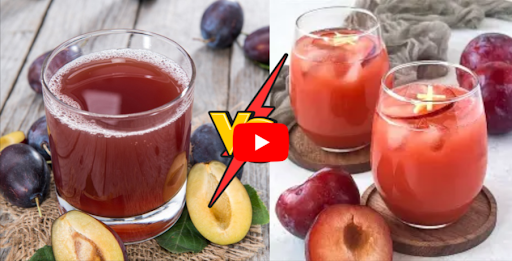

Understanding these differences is essential for making an informed decision on which juice might best suit your health needs.
Prune juice comes from dried plums and is known for digestive benefits, while plum juice is made from fresh plums, offering a milder taste and fewer digestive effects.
What is Prune Juice?
Prune juice is a beverage made from dried plums. It is typically produced by soaking dried plums, also known as prunes, and extracting the juice.
Prune juice has been used for centuries to help with digestive health, particularly for its well-known ability to relieve constipation.
The natural fiber, sorbitol, and antioxidants found in prunes are responsible for many of the juice’s health benefits.
How is Prune Juice Made?
The process of making prune juice begins with dried plums, which are simply dehydrated plums. To create prune juice, these dried plums are rehydrated and then processed to extract the juice.
The result is a thicker, often darker juice that contains high levels of fiber and sorbitol, a natural sugar alcohol that aids digestion.
Health Benefits of Prune Juice
Promotes Digestive Health
Prune juice is most famous for its ability to relieve constipation. It contains high amounts of fiber and sorbitol, both of which help to soften stool and promote regular bowel movements. Sorbitol acts as a natural laxative by drawing water into the intestines, which can relieve constipation.
Rich in Nutrients
Prune juice is packed with essential vitamins and minerals, including vitamin K, vitamin A, potassium, and iron. These nutrients are beneficial for maintaining overall health, supporting bone health, and promoting good cardiovascular function.
Supports Bone Health
Prune juice is rich in antioxidants, which help to protect the body from free radicals that can cause cellular damage. Studies have shown that prunes and prune juice may support bone health by increasing bone density, particularly in postmenopausal women.
Helps with Weight Management
Due to its high fiber content, prune juice can help you feel fuller for longer, making it a good choice for those looking to manage their weight. Fiber aids digestion and slows the absorption of food, leading to better appetite control.
Improves Skin Health
The antioxidants in prune juice, such as vitamin C and beta-carotene, contribute to healthy skin by neutralizing free radicals. These antioxidants help in reducing signs of aging and improving skin elasticity.

What is Plum Juice?
Plum juice, on the other hand, is made from fresh plums. Unlike prune juice, which comes from dried plums, plum juice retains much of the natural water content of the fresh fruit.
It is a refreshing and mildly sweet juice, and it can be made by simply extracting the juice from ripe plums.
Plum juice is often enjoyed as a refreshing beverage and is less associated with digestive health, though it still offers some beneficial properties.
How is Plum Juice Made?
The process of making plum juice is straightforward. Fresh plums are washed, pitted, and then juiced.
The juice is often filtered to remove pulp and seeds, resulting in a smooth, sweet beverage. In some cases, the juice is also pasteurized to preserve it for a longer shelf life.
Health Benefits of Plum Juice
Rich in Antioxidants
Like prune juice, plum juice is packed with antioxidants, which help protect the body from oxidative stress and inflammation. These antioxidants include vitamin C, phenolic compounds, and flavonoids, all of which have been shown to support immune health, reduce inflammation, and protect against chronic diseases.
Supports Heart Health
The antioxidants in plum juice, combined with potassium, can support heart health. Potassium helps regulate blood pressure, and the flavonoids in plum juice are known to improve blood circulation and reduce the risk of heart disease.
Boosts Immune System
Plum juice is a good source of vitamin C, an essential nutrient for boosting the immune system. Vitamin C helps protect against common illnesses such as colds and flu and aids in the healing of wounds and tissue repair.
Promotes Healthy Skin
The vitamin C and other antioxidants in plum juice contribute to the production of collagen, a protein essential for maintaining skin elasticity and reducing wrinkles. Drinking plum juice can help maintain healthy, glowing skin.
Aids in Digestion
While plum juice is not as potent as prune juice when it comes to aiding digestion, it still contains some fiber and sorbitol, which can have a mild laxative effect.
Drinking plum juice can help promote regular bowel movements, though it may not be as effective as prune juice for individuals dealing with chronic constipation.
Key Differences Between Prune Juice and Plum Juice
While prune juice and plum juice share some similarities, they have several key differences:
Source
- Prune Juice: Made from dried plums (prunes).
- Plum Juice: Made from fresh plums.
Taste
- Prune Juice: Often thicker and more robust in flavor, with a slightly sweet, earthy taste.
- Plum Juice: Lighter, fresher, and sweeter with a tangy flavor.
Nutritional Content
- Prune Juice: Higher in fiber and sorbitol, making it more effective for digestion and constipation relief.
- Plum Juice: Contains more water and fewer fibers, making it a more hydrating and refreshing beverage.
Digestive Health
- Prune Juice: Known for its strong laxative effects and ability to relieve constipation.
- Plum Juice: Mildly aids digestion, but not as effective as prune juice for constipation.
Uses
- Prune Juice: Typically consumed for digestive health and constipation relief.
- Plum Juice: Enjoyed as a refreshing beverage and a source of antioxidants and vitamins.

How to Incorporate Prune Juice and Plum Juice into Your Diet
Both prune juice and plum juice can be beneficial additions to your diet, but it’s important to choose the right one depending on your health goals.
-
For Digestive Health: If you’re looking to improve digestion or relieve constipation, prune juice is your best bet. You can drink a small glass (4-8 ounces) of prune juice in the morning or before bed to support regular bowel movements.
-
For Refreshment: If you want a light, refreshing beverage with a mild, sweet taste, plum juice is a great choice. It can be consumed on its own or mixed with other fruit juices for a burst of flavor.
-
As Part of a Healthy Diet: Both juices can be enjoyed as part of a balanced diet. You can use them in smoothies, mix them into yogurt or oatmeal, or drink them as standalone beverages.
-
For Skin and Immunity: Plum juice, with its high vitamin C content, is excellent for boosting your immune system and maintaining healthy skin. Consider drinking plum juice regularly to reap these benefits.
Conclusion
In summary, prune juice and plum juice are two distinct beverages with unique benefits. Prune juice is best known for its digestive benefits, particularly in relieving constipation, thanks to its high fiber and sorbitol content.
Plum juice, on the other hand, is a refreshing and mild-tasting beverage that offers antioxidant benefits and supports heart health, immune function, and skin health.
Depending on your health needs and taste preferences, you can incorporate either or both juices into your daily routine.
Ultimately, the decision between prune juice and plum juice comes down to your specific health goals, whether you’re seeking digestive relief or a refreshing, nutrient-rich drink.
References Link
Prune juice
Plum – Uses, Side Effects, and More
7 Health Benefits of Plums and Prunes
.
