Skincare trends spread fast — especially when they promise glowing skin with simple kitchen ingredients. One of the latest viral claims suggests that mixing Vaseline with chocolate can act like a vitamin C serum, helping brighten skin, fade dark spots, and improve texture.
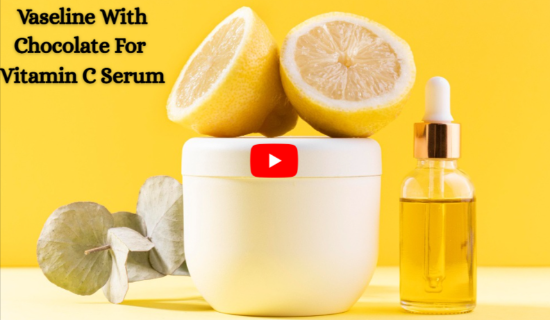

It sounds intriguing. Chocolate contains antioxidants. Vaseline locks in moisture. Vitamin C brightens skin. So — could this DIY blend replace a proper vitamin C serum?
Vaseline with chocolate is not a substitute for vitamin C serum and lacks scientific support for skin brightening or collagen benefits.
Understanding What Vitamin C Serum Actually Does
Before evaluating the Vaseline-with-chocolate trend, it’s essential to understand what vitamin C serum is designed to do.
Vitamin C (ascorbic acid) is one of the most studied skincare ingredients. It is widely recommended by dermatologists because it:
-
Boosts collagen production
-
Helps fade hyperpigmentation
-
Brightens dull skin
-
Neutralizes free radicals
-
Improves overall skin tone
Research published in journals like the Journal of Clinical and Aesthetic Dermatology and Dermatologic Surgery shows that topical vitamin C can significantly improve photodamage and pigmentation when formulated correctly.
Vitamin C is effective only when it is properly stabilized and formulated at the correct pH level.
This is a critical detail that DIY mixtures often ignore.
What Is Vaseline?
Vaseline is a brand of petroleum jelly — an occlusive moisturizer.
Petroleum jelly works by forming a protective barrier on the skin. It:
-
Prevents water loss
-
Supports wound healing
-
Protects compromised skin barriers
It does not:
-
Stimulate collagen
-
Exfoliate
-
Reduce pigmentation
Vaseline is a sealant — not an active treatment ingredient.
What About Chocolate?
Chocolate, particularly dark chocolate, contains antioxidants such as flavonoids. Cocoa extracts are sometimes used in cosmetic products for antioxidant support.
However, there are key considerations:
-
Raw cocoa is not the same as processed chocolate bars
-
Chocolate contains sugar, fats, dairy (in many forms), and additives
-
Antioxidant levels vary widely
-
It is not standardized for skincare use
Studies show cocoa polyphenols have antioxidant properties when consumed orally. But applying melted chocolate to the skin does not equate to applying stabilized vitamin C.
There is no scientific evidence that chocolate acts as a topical vitamin C replacement.
Can Vaseline With Chocolate Act as a Vitamin C Serum?
Short answer: No.
Here’s why:
1. No Actual Vitamin C Content
Chocolate does not contain meaningful levels of active ascorbic acid suitable for skincare.
Vitamin C serums use specific forms like:
-
L-ascorbic acid
-
Sodium ascorbyl phosphate
-
Magnesium ascorbyl phosphate
These are chemically formulated for skin absorption.
A homemade chocolate mixture does not provide clinically effective vitamin C.
2. Improper pH and Stability
Vitamin C works best at a pH below 3.5.
DIY mixtures:
-
Do not control pH
-
Are not stabilized
-
Oxidize quickly
Once vitamin C oxidizes, it loses effectiveness.
Skincare chemistry matters — and kitchen recipes cannot replicate laboratory formulation.
3. Risk of Breakouts
Chocolate mixtures may contain:
-
Sugar (feeds bacteria)
-
Oils (may clog pores)
-
Dairy (may irritate sensitive skin)
Combined with petroleum jelly (an occlusive), this can trap debris and lead to acne in acne-prone individuals.
Occlusives can trap comedogenic ingredients underneath the skin.
4. No Clinical Trials
There are no peer-reviewed studies supporting Vaseline with chocolate as a vitamin C alternative.
In contrast, vitamin C serums have decades of dermatological research backing their use.
Why This Trend Became Popular
Skincare myths often go viral because:
-
DIY solutions feel affordable
-
Natural ingredients feel safer
-
Social media simplifies complex science
-
Quick glow promises attract attention
But virality does not equal validity.
The Science of Skin Brightening
If your goal is brighter skin, there are ingredients proven to work:
| Ingredient | Function | Evidence Level |
|---|---|---|
| Vitamin C | Brightening, collagen boost | Strong |
| Niacinamide | Reduces pigmentation | Strong |
| Retinoids | Cell turnover | Strong |
| Alpha Arbutin | Targets dark spots | Moderate |
| Sunscreen | Prevents pigmentation | Critical |
Sunscreen is non-negotiable for preventing hyperpigmentation.
Without sun protection, no serum will maintain results.
What Happens If You Apply Vaseline and Chocolate on Skin?
Possible outcomes:
Best-Case Scenario:
-
Temporary softness from occlusion
-
Mild antioxidant benefit (minimal)
-
Temporary glow from hydration
Worst-Case Scenario:
-
Breakouts
-
Irritation
-
Sticky residue
-
Bacterial growth in stored mixture
-
Worsened pigmentation from inflammation
DIY mixtures are not sterile and may introduce microbes to the skin.
Comparing DIY Mix vs Real Vitamin C Serum
| Feature | Vaseline + Chocolate | Vitamin C Serum |
|---|---|---|
| Stabilized formula | No | Yes |
| Controlled pH | No | Yes |
| Clinical testing | No | Yes |
| Collagen stimulation | No | Yes |
| Pigmentation reduction | No | Yes |
| Long-term safety data | No | Yes |
The difference is clear.
Understanding Skin Barrier Science
Your skin barrier is composed of:
-
Ceramides
-
Fatty acids
-
Cholesterol
Occlusives like petroleum jelly can protect it — but they do not repair pigmentation or stimulate collagen.
Hydration and treatment are two different skincare goals.
Vaseline hydrates by preventing water loss. Vitamin C treats underlying skin concerns.
Common Misconceptions
“Chocolate has antioxidants, so it’s like vitamin C.”
False equivalence. Antioxidants differ in structure, potency, and skin absorption.
“Natural is always better.”
Poison ivy is natural. Stability and formulation matter more than origin.
“If it’s edible, it’s safe for skin.”
Skin is not the same as the digestive system.

When Vaseline Is Actually Helpful
Petroleum jelly is beneficial for:
-
Extremely dry skin
-
Wound healing
-
Protecting cracked skin
-
Slugging over active treatments
But it should be applied over appropriate skincare — not mixed with random ingredients.
If You Want Glowing Skin, Follow This Evidence-Based Routine
Morning Routine:
-
Gentle cleanser
-
Vitamin C serum
-
Moisturizer
-
Broad-spectrum sunscreen SPF 30+
Night Routine:
-
Cleanser
-
Treatment (retinoid or niacinamide)
-
Moisturizer
-
Optional occlusive layer (Vaseline on dry areas only)
Consistency matters more than trends.
The Risk of DIY Skincare Culture
Social media has made everyone a “skin expert.” But skincare formulation involves:
-
Chemistry
-
Dermatology
-
Stability testing
-
Microbial safety
-
Clinical trials
Skipping these steps increases risk.
Skin is an organ — not a DIY experiment.
Who Should Avoid This Trend Completely?
-
Acne-prone individuals
-
Rosacea patients
-
Sensitive skin types
-
Those using active treatments
-
People with melasma
Melasma especially requires medical-grade treatment and sun protection.
The Bottom Line
Vaseline with chocolate cannot replace vitamin C serum.
It does not provide:
-
Stabilized ascorbic acid
-
Collagen stimulation
-
Clinically proven pigmentation reduction
It may temporarily soften skin — but it does not treat underlying concerns. Science-backed skincare always outperforms viral hacks.
If your goal is healthy, radiant skin, invest in properly formulated products, protect your skin from the sun, and consult dermatology professionals when needed. Your skin deserves evidence — not experiments.
References Link
- Petroleum jelly
https://en.wikipedia.org/wiki/Petroleum_jelly
- The Benefits of Vitamin C for Your Skin
https://www.webmd.com/beauty/ss/slideshow-benefits-of-vitamin-c-for-skin
- The Pros and Cons of Using Vaseline on Your Face
https://www.healthline.com/health/vaseline-on-face
.
