High blood pressure, also known as hypertension, is often called the “silent killer.” It usually develops without noticeable symptoms, yet it significantly increases the risk of heart disease, stroke, kidney problems, and other serious health conditions.
With growing awareness about lifestyle-based prevention, many people are asking an important question: Does watermelon help lower blood pressure?
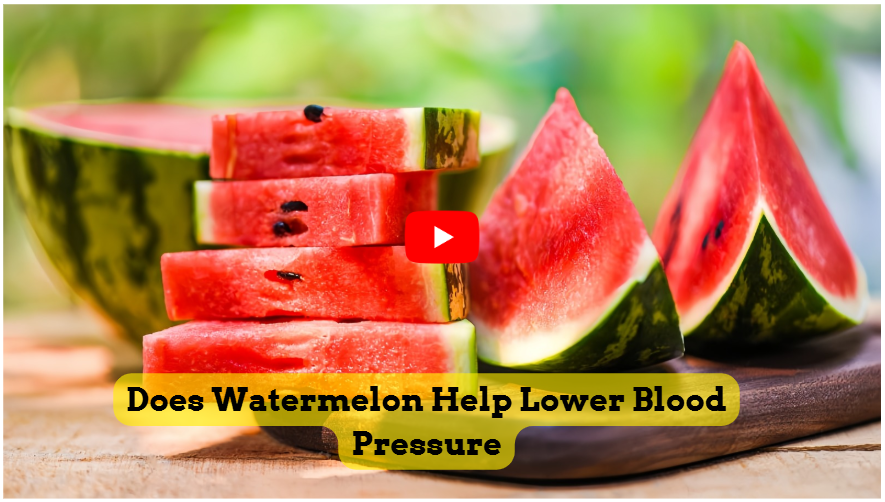

The short answer is yes—watermelon may support healthy blood pressure levels. But how exactly does it work? Is it scientifically proven? How much should you eat? And can it replace medications?
Watermelon may help lower blood pressure thanks to citrulline, potassium, and antioxidants that support healthy blood vessels and circulation.
Understanding Blood Pressure
Blood pressure measures the force of blood pushing against the walls of your arteries. It’s recorded as:
-
Systolic pressure – the top number (pressure when the heart beats)
-
Diastolic pressure – the bottom number (pressure when the heart rests)
According to the World Health Organization, hypertension is a major global health issue affecting over 1 billion people worldwide. The American Heart Association defines normal blood pressure as less than 120/80 mmHg.
Even small reductions in blood pressure can significantly lower the risk of heart attack and stroke.
Nutritional Profile of Watermelon
Watermelon is more than just a refreshing summer fruit. It is packed with nutrients that support cardiovascular health.
One cup (about 150 grams) of diced watermelon contains:
-
Vitamin C
-
Vitamin A
-
Potassium
-
Magnesium
-
Lycopene
-
L-citrulline
-
Water (about 92%)
Its high water content supports hydration, which plays a key role in maintaining healthy circulation and blood pressure.
The Key Compound: L-Citrulline
The most important reason watermelon may help lower blood pressure is a compound called L-citrulline.
What Is L-Citrulline?
L-citrulline is an amino acid found naturally in watermelon, especially in the white rind. When consumed, it converts into another amino acid called L-arginine.
L-arginine helps produce nitric oxide.
Why Is Nitric Oxide Important?
Nitric oxide relaxes blood vessels, allowing them to widen (vasodilation). This improves blood flow and reduces pressure within the arteries.
Relaxed blood vessels mean lower resistance, which translates to lower blood pressure.
Several clinical studies have shown that watermelon supplementation can improve arterial function and reduce systolic blood pressure in people with prehypertension or hypertension.
Scientific Evidence: What Research Says
Multiple studies have examined the relationship between watermelon and blood pressure.
1. Watermelon Extract Study
A study published in the American Journal of Hypertension found that watermelon extract supplementation reduced ankle and brachial blood pressure in obese middle-aged adults with prehypertension.
Participants showed improved arterial function after just six weeks.
2. Citrulline Supplementation Research
Research has shown that L-citrulline supplementation improves nitric oxide production and vascular health.
A review published in the journal Nutrients concluded that citrulline supplementation may help reduce systolic and diastolic blood pressure.
3. Lycopene and Heart Health
Watermelon is also rich in lycopene—the same antioxidant found in tomatoes.
Lycopene helps reduce oxidative stress and inflammation in blood vessels. Oxidative stress contributes to stiff arteries and high blood pressure.
Reducing inflammation in blood vessels can significantly improve cardiovascular function.

Potassium and Blood Pressure
Watermelon contains potassium, an essential mineral for heart health.
Potassium helps:
-
Balance sodium levels in the body
-
Relax blood vessel walls
-
Reduce strain on the cardiovascular system
The Centers for Disease Control and Prevention emphasizes reducing sodium and increasing potassium intake as a key strategy for managing hypertension.
A potassium-rich diet helps counteract the negative effects of excess salt.
Hydration and Blood Pressure
Dehydration can cause blood vessels to constrict, increasing blood pressure.
Since watermelon is about 92% water, it helps maintain hydration.
Proper hydration:
-
Maintains blood volume
-
Supports kidney function
-
Prevents blood thickening
Staying hydrated is one of the simplest ways to support stable blood pressure levels.
Does Eating Watermelon Replace Blood Pressure Medication?
No.
While watermelon may help lower blood pressure, it should not replace prescribed medications.
Hypertension is a complex medical condition. Lifestyle changes—including diet, exercise, stress management, and medication when necessary—work together.
Always consult a healthcare professional before making changes to your treatment plan.
How Much Watermelon Should You Eat?
Moderation is key.
-
1–2 cups per day is generally safe for most people.
-
Those with diabetes should monitor portions due to natural sugars.
-
People with kidney issues should consult a doctor before increasing potassium intake.
Watermelon can be included as part of a DASH-style diet (Dietary Approaches to Stop Hypertension).
Best Ways to Use Watermelon for Blood Pressure
1. Fresh Slices
Simple and effective.
2. Watermelon Smoothie
Blend with mint and a squeeze of lemon.
3. Watermelon Salad
Combine with cucumber and feta for added potassium and hydration.
4. Watermelon Rind Juice
The rind contains higher citrulline levels.
The less processed the watermelon, the more nutrients it retains.
Other Lifestyle Factors That Matter
Watermelon alone will not fix high blood pressure.
To effectively manage hypertension:
-
Reduce sodium intake
-
Exercise regularly
-
Maintain a healthy weight
-
Manage stress
-
Avoid smoking
-
Limit alcohol
Organizations like the National Heart, Lung, and Blood Institute recommend combining diet and lifestyle changes for optimal heart health.

Who Should Be Cautious?
While watermelon is generally safe, caution is advised if:
-
You have advanced kidney disease
-
You take potassium-sparing medications
-
You have severe blood sugar control issues
Even healthy foods can cause issues when consumed excessively.
Is Watermelon Better Than Other Fruits?
Watermelon is unique due to its high citrulline content.
However, other fruits also support blood pressure:
-
Bananas (potassium)
-
Berries (antioxidants)
-
Oranges (vitamin C)
-
Pomegranates (polyphenols)
A variety of fruits offers broader cardiovascular benefits than relying on a single food.
The Bottom Line
So, does watermelon help lower blood pressure?
Yes—thanks to L-citrulline, potassium, antioxidants, and hydration benefits, watermelon can support healthier blood pressure levels.
However:
-
It is not a cure.
-
It works best as part of a balanced diet.
-
Medical guidance is essential for managing hypertension.
Adding watermelon to a heart-healthy lifestyle is a delicious and evidence-supported step toward better cardiovascular health.
References Link
- https://pubmed.ncbi.nlm.nih.gov/26947668/
- https://www.webmd.com/diet/ss/slideshow-health-benefits-of-watermelon
- https://www.healthline.com/nutrition/foods/watermelon
.
