Breathing is something most of us take for granted—until we struggle with congestion, persistent cough, wheezing, or chest tightness.
With increasing air pollution, seasonal allergies, viral infections, and lifestyle factors, respiratory discomfort has become more common than ever.
In this context, many people are searching for simple, natural solutions. One such popular remedy is the “Honey Trick for Lungs.”
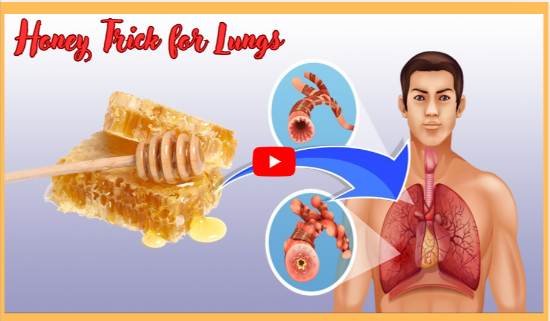

The honey trick for the lungs may help soothe cough, reduce throat irritation, and support respiratory health with its natural antibacterial properties.
But what exactly is this honey trick? Does it really help the lungs, or is it just another internet myth?
In this detailed guide, we’ll explore:
-
How honey supports respiratory health
-
The science behind honey for lungs
-
Different honey-based remedies
-
Benefits and limitations
-
When to seek medical help
-
Safe usage tips
Let’s dive deep into how this natural golden ingredient may help your lungs breathe easier.
Understanding Lung Health
Your lungs are responsible for oxygenating your blood and removing carbon dioxide from your body. Every breath you take delivers oxygen to billions of cells.
However, lungs are constantly exposed to:
-
Air pollution
-
Smoke (including secondhand smoke)
-
Allergens
-
Viruses and bacteria
-
Dust and chemicals
Over time, this exposure can lead to:
-
Cough
-
Bronchitis
-
Asthma flare-ups
-
Sinus congestion
-
Chronic obstructive pulmonary disease (COPD)
-
Throat irritation
Protecting your lungs is not just about treating illness—it’s about supporting respiratory resilience daily.
This is where honey enters the conversation.
What Is the “Honey Trick for Lungs”?
The “Honey Trick for Lungs” refers to consuming honey—often mixed with warm water, lemon, ginger, or turmeric—to soothe the throat, reduce coughing, and support respiratory function.
Common versions include:
-
Warm water + honey
-
Honey + lemon juice
-
Honey + ginger paste
-
Honey + turmeric milk
-
Honey before bedtime
The idea behind the trick is simple: Honey may coat the throat, reduce irritation, calm cough reflexes, and provide mild antimicrobial support.
But how does this actually work?
Why Honey May Support Lung Health
1. Natural Antimicrobial Properties
Honey has natural antibacterial properties due to:
-
Hydrogen peroxide production
-
Low pH (acidic environment)
-
High sugar concentration (draws moisture from microbes)
Certain types like Manuka honey contain additional compounds with enhanced antimicrobial effects.
This may help reduce bacterial load in the throat and upper respiratory tract.
However, honey is not a replacement for antibiotics when prescribed by a doctor.
2. Soothes Irritated Airways
When you have a cough, your throat lining becomes inflamed. Honey acts as a demulcent, meaning it:
-
Forms a protective layer
-
Reduces irritation
-
Decreases cough triggers
Several studies suggest that honey can be as effective as some over-the-counter cough suppressants in reducing nighttime coughing in children over one year old.
A calmer throat often translates to reduced coughing and better rest.
3. Anti-Inflammatory Effects
Inflammation plays a major role in respiratory discomfort, especially in conditions like:
-
Asthma
-
Bronchitis
-
Allergic reactions
Honey contains antioxidants such as flavonoids and phenolic acids. These compounds may help reduce inflammation.
Lower inflammation can support easier breathing and less airway irritation.
4. May Help Loosen Mucus
While honey itself is not a strong expectorant, when combined with warm liquids:
-
It can help hydrate airways
-
Warmth may loosen mucus
-
Improved hydration makes mucus easier to expel
Hydration is one of the simplest but most overlooked tools for lung health.
Best Honey Tricks for Lungs
Here are some commonly used combinations:
1. Honey and Warm Water
How to use:
Mix 1 tablespoon of honey in a cup of warm (not boiling) water. Drink once or twice daily.
Why it helps:
-
Soothes throat
-
Supports hydration
-
Gentle and easy to digest
Important: Avoid adding honey to boiling water, as extreme heat may reduce beneficial compounds.
2. Honey and Lemon
How to use:
1 tablespoon honey + juice of half a lemon in warm water.
Benefits:
-
Lemon provides vitamin C
-
May help thin mucus
-
Enhances taste and antioxidant content
This combination is particularly helpful during seasonal colds.
3. Honey and Ginger
How to use:
Mix fresh ginger juice or grated ginger with honey.
Why it works:
-
Ginger has anti-inflammatory properties
-
May help reduce airway swelling
-
Can support immune function
This is a powerful combination for persistent cough.
4. Honey and Turmeric Milk
How to use:
Add 1 teaspoon turmeric and 1 tablespoon honey to warm milk.
Benefits:
-
Turmeric contains curcumin
-
May help reduce inflammation
-
Calms nighttime cough
Best taken before bedtime for soothing relief.
5. Honey Before Bed
Taking a spoonful of honey before sleep may:
-
Reduce nighttime coughing
-
Improve sleep quality
-
Calm throat irritation
Better sleep directly supports immune and lung recovery.
What Science Says About Honey for Respiratory Health
Several clinical studies suggest:
-
Honey may reduce cough frequency and severity
-
It can improve sleep in children with upper respiratory infections
-
It has mild antimicrobial activity
Organizations like the World Health Organization (WHO) recognize honey as a potential soothing agent for cough in children over one year old.
However:
-
Honey does not cure pneumonia
-
It does not replace inhalers for asthma
-
It does not treat chronic lung disease
Honey is supportive—not a substitute for medical treatment.
Who Can Benefit From the Honey Trick?
Honey may help individuals experiencing:
-
Mild cough
-
Sore throat
-
Seasonal allergies
-
Dry throat from pollution
-
Post-viral irritation
-
Nighttime coughing
It may also be helpful during:
-
Air pollution exposure
-
Dry winter months
-
Cold and flu season
Who Should Avoid Honey?
Honey is not suitable for:
-
Infants under 1 year (risk of botulism)
-
People with uncontrolled diabetes (high natural sugar content)
-
Individuals allergic to pollen or bee products
If you have:
-
Chronic asthma
-
COPD
-
Persistent wheezing
-
High fever
-
Bloody sputum
Seek medical care immediately.
Honey and Pollution: Can It Help?
In cities with high pollution levels, exposure to:
-
Particulate matter
-
Vehicle emissions
-
Industrial pollutants
can irritate airways.
Honey may:
-
Soothe throat irritation
-
Reduce dryness
-
Support immune response
However, it does not detoxify lungs.
Avoiding pollution exposure remains the most effective strategy.
Supporting Lung Health Beyond Honey
While the honey trick can help, true lung care requires a holistic approach:
1. Stay Hydrated
Hydration keeps mucus thin and manageable.
2. Practice Deep Breathing
Lung exercises improve oxygen exchange.
3. Avoid Smoking
Smoking damages lung tissue permanently.
4. Use Air Purifiers
Especially in high-pollution areas.
5. Maintain a Healthy Diet
Include antioxidant-rich foods like fruits and vegetables.
6. Regular Medical Checkups
Especially if you have chronic respiratory conditions.
Myths About the Honey Trick for Lungs
Myth 1: Honey Cleans the Lungs
No food can physically “clean” lungs.
Myth 2: Honey Cures Asthma
Asthma requires medical management.
Myth 3: More Honey = Faster Recovery
Excess honey means excess sugar.
Moderation is key.
How Much Honey Is Safe?
For most adults:
-
1–2 tablespoons per day is generally considered safe.
For children (above 1 year):
-
Smaller amounts as needed for cough relief.
People with diabetes should consult a healthcare professional.
Signs You Need Medical Attention
Do not rely solely on home remedies if you experience:
-
Shortness of breath
-
Chest pain
-
High fever
-
Cough lasting more than 3 weeks
-
Green or bloody mucus
-
Severe wheezing
Early medical care can prevent serious complications.
Final Thoughts
The honey trick for lungs is not magic—but it is meaningful.
Its natural soothing, antimicrobial, and anti-inflammatory properties make it a gentle supportive remedy for mild respiratory discomfort.
Honey works best as part of a broader lung care strategy—not as a standalone cure.
When used responsibly and alongside proper medical care, honey can be a comforting and potentially helpful addition to your respiratory wellness routine.
Breathing is life. Protect it wisely.
