Toenail fungus, medically known as Onychomycosis, is a common and stubborn nail infection that affects millions of people worldwide.
It often begins as a white or yellow spot under the tip of the toenail and can progress into thickening, discoloration, crumbling edges, and sometimes discomfort.
In recent years, many home remedies have gained popularity online — including the controversial use of bleach pens.
This article provides a detailed, research-backed exploration of the Best Bleach Pen for Toenail Fungus, including safety concerns, effectiveness, risks, alternatives, and expert recommendations.
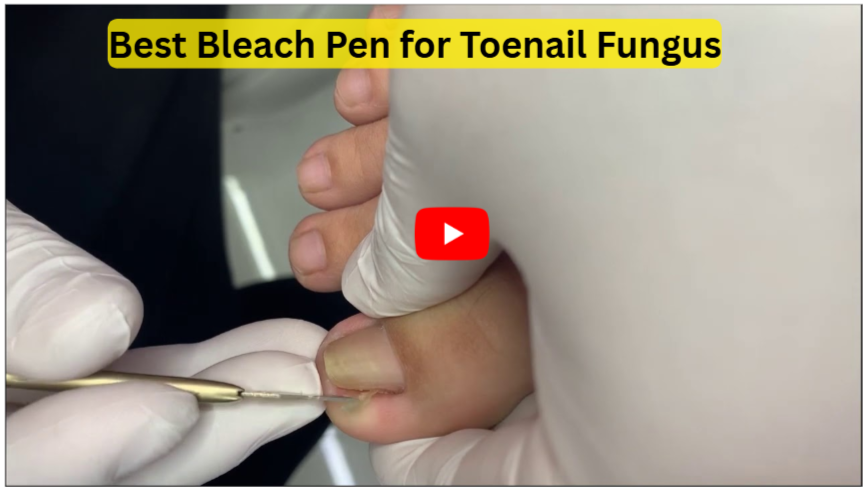

The best bleach pen for toenail fungus should be used cautiously, diluted properly, and paired with antifungal care for safer, more effective results.
Understanding Toenail Fungus
Toenail fungus is usually caused by dermatophytes, a group of fungi that thrive in warm, moist environments. The most common culprit is Tinea unguium, a fungal infection of the nail unit.
Common Symptoms:
-
Yellow, brown, or white nail discoloration
-
Thickened nail plate
-
Brittle or crumbly texture
-
Distorted nail shape
-
Foul odor (in advanced cases)
Toenail fungus rarely resolves on its own and often worsens without proper treatment.
Why People Consider Bleach for Toenail Fungus
Bleach contains sodium hypochlorite, a strong disinfectant capable of killing bacteria, viruses, and fungi on surfaces. Because of its antifungal properties in environmental cleaning, some people assume it can eliminate fungal infections on nails.
A bleach pen is typically designed for stain removal on fabric and surfaces. It delivers concentrated bleach in a gel format, making it easy to apply precisely.
However:
Bleach pens are not medical devices and are not formulated for use on human skin or nails.
Does Bleach Kill Nail Fungus?
In laboratory conditions, sodium hypochlorite can kill fungi. However, real-world nail infections are different.
Toenail fungus lives:
-
Under the nail plate
-
Deep within the nail bed
-
In areas difficult for topical agents to penetrate
Bleach applied externally may disinfect the nail surface but does not reliably penetrate deeply enough to eradicate the infection.
Surface disinfection is not the same as treating an embedded fungal infection.
Risks of Using a Bleach Pen on Toenails
Using a bleach pen directly on nails poses several potential dangers:
1. Chemical Burns
Bleach can cause:
-
Skin irritation
-
Redness
-
Peeling
-
Blistering
2. Nail Damage
Repeated exposure may:
-
Weaken nail structure
-
Increase brittleness
-
Cause permanent nail plate damage
3. Secondary Infection
Damaged skin around the nail increases the risk of bacterial infection.
4. Worsening the Condition
Improper treatment can allow the fungus to spread to other nails or skin.
Direct application of undiluted bleach on skin is medically discouraged.
If Someone Still Chooses to Try Bleach (Risk-Aware Approach)
Although medical professionals do not recommend bleach pens for fungal treatment, some individuals still attempt diluted bleach soaks.
A safer approach (if attempted) includes:
-
Diluting bleach heavily (1 part bleach to 10–20 parts water)
-
Soaking for no more than 5–10 minutes
-
Rinsing thoroughly
-
Moisturizing immediately afterward
Never apply concentrated bleach gel directly to skin.
Consulting a healthcare provider before attempting chemical remedies is strongly advised.
Evidence-Based Treatments That Actually Work
Instead of relying on bleach pens, consider clinically approved treatments:
1. Topical Antifungals
Examples include:
-
Ciclopirox
-
Efinaconazole
-
Tavaborole
These are specifically designed to penetrate nail tissue.
2. Oral Antifungals
Common options:
-
Terbinafine
-
Itraconazole
Oral medications have higher success rates but require medical supervision due to potential liver side effects.
Oral terbinafine remains one of the most effective treatments for moderate to severe infections.
3. Laser Therapy
Some clinics use laser devices designed to heat and destroy fungal cells without damaging surrounding tissue.
4. Nail Debridement
Trimming and thinning infected nails improves topical penetration and speeds healing.
Comparing Bleach Pens vs Medical Treatments
| Factor | Bleach Pen | Prescription Antifungals |
|---|---|---|
| FDA Approved | No | Yes |
| Designed for Skin | No | Yes |
| Proven Effectiveness | Limited | High |
| Risk of Chemical Burn | High | Low |
| Penetrates Nail Bed | Poor | Moderate to Good |
Medical treatments are safer, regulated, and clinically tested.
How to Prevent Toenail Fungus
Prevention is often easier than treatment.
Daily Habits:
-
Keep feet dry
-
Change socks daily
-
Wear breathable footwear
-
Disinfect nail clippers
-
Avoid walking barefoot in public showers
High-Risk Environments:
-
Gyms
-
Swimming pools
-
Locker rooms
Moist environments are the primary breeding ground for fungal growth.
Who Should Avoid Using a Bleach Pen for Toenail Fungus?
While many people search for the Best Bleach Pen for Toenail Fungus, it is important to understand that bleach is a harsh chemical disinfectant, not a medical antifungal treatment. Certain individuals face higher risks if they attempt bleach-based remedies.
Using bleach on nails without medical supervision can lead to irritation, chemical burns, and worsening of fungal infections.
Toenail fungus, medically called Onychomycosis, often requires long-term management. Because the infection develops under the nail plate, surface disinfectants rarely solve the root problem.
High-Risk Groups Who Should Avoid Bleach Treatments
The following individuals should strictly avoid bleach-based nail remedies:
-
People with diabetes
-
Individuals with poor circulation
-
Those with weakened immune systems
-
Anyone with open wounds or cracked skin around the nail
-
Children and elderly individuals with thin skin
-
People with sensitive skin or eczema
For high-risk groups, improper treatment can lead to serious secondary infections.
Why These Groups Are at Greater Risk (Paragraph Explanation)
People with diabetes often experience reduced blood circulation in the feet. This means even minor skin damage can heal slowly and become infected.
Applying bleach — even diluted — may irritate the skin barrier and increase the risk of bacterial complications.
Similarly, individuals with weakened immune systems may struggle to fight off additional infections caused by skin irritation. Since fungal infections already compromise nail health, adding chemical damage can make treatment more difficult.
In severe cases, untreated or poorly managed fungal infections may spread to surrounding skin, causing conditions like Athlete’s foot.
Safe treatment decisions should always consider overall health status.
Bleach Pen vs Safer Alternatives
| Factor | Bleach Pen | Medical Antifungal | Natural Remedy |
|---|---|---|---|
| Designed for Human Skin | No | Yes | Yes |
| Risk of Skin Damage | High | Low | Low to Moderate |
| Penetrates Nail Bed | Poor | Moderate to High | Limited |
| Requires Doctor Supervision | No (but should) | Yes | No |
| Evidence-Based | Weak | Strong | Limited |
Prescription antifungals remain the gold standard for moderate to severe fungal infections.
Natural Alternatives (Lower Risk Than Bleach)
Some natural remedies have mild antifungal properties:
-
Tea tree oil
-
Vicks VapoRub
-
Apple cider vinegar soaks
While not guaranteed cures, these options are generally less harsh than bleach.
When to See a Doctor
Seek medical advice if:
-
The infection spreads
-
You have diabetes
-
There is pain or swelling
-
The nail detaches
-
Home remedies fail after several weeks
People with weakened immune systems should avoid self-treatment.
Frequently Asked Questions
Is a bleach pen the best bleach option for toenail fungus?
No. Bleach pens are not intended for medical use and carry risks.
Can bleach permanently cure nail fungus?
There is no strong clinical evidence supporting bleach as a cure.
How long does real treatment take?
Most antifungal treatments require 3–12 months for full nail regrowth.
Toenail fungus requires patience — quick fixes rarely work.
The Bottom Line
The idea of using the Best Bleach Pen for Toenail Fungus comes from bleach’s disinfecting properties. However:
-
Bleach pens are not medical tools
-
They pose real safety risks
-
They do not reliably penetrate infected nail beds
Evidence-based antifungal treatments remain the safest and most effective approach.
If you suspect a fungal infection, consult a healthcare professional for proper diagnosis and treatment guidance.
References Link
- Why You Shouldn’t Use Bleach for Toenail Fungus
https://www.healthline.com/health/dont-use-bleach-to-get-rid-of-toenail-fungus
- Fungal Nail Infection
https://www.webmd.com/skin-problems-and-treatments/fungal-nail-infection-treatment
.
