Post-Traumatic Stress Disorder (PTSD) affects millions of people worldwide. Whether caused by abuse, violence, military combat, accidents, grief, childhood trauma, or emotional pain, PTSD can deeply impact the mind, body, and spirit.
Many people searching for hope often ask an important question: Is there a biblical cure for PTSD?
The Bible may not specifically mention the modern medical term “PTSD,” but Scripture speaks extensively about fear, trauma, anxiety, grief, emotional suffering, and healing.
Throughout the Bible, we see people who experienced intense emotional pain, loss, betrayal, war, persecution, and suffering. God never ignored their pain. Instead, He offered comfort, peace, strength, restoration, and hope.


A biblical approach to PTSD does not reject medical or professional help. Rather, it combines spiritual healing with wisdom, support, counseling, prayer, healthy relationships, and faith in God’s promises.
Many Christians find that Scripture, prayer, worship, and biblical counseling help them recover emotionally while strengthening their relationship with God.
A biblical cure for PTSD includes prayer, faith, Scripture, and God’s peace to support emotional healing, comfort, strength, and hope daily.
In this article, we will explore the biblical cure for PTSD, including Bible verses for trauma healing, Christian coping strategies, prayer, forgiveness, emotional restoration, and practical ways to heal through faith.
Understanding PTSD from a Biblical Perspective
PTSD is a mental health condition that may develop after experiencing or witnessing a traumatic event. Symptoms often include:
- Flashbacks
- Nightmares
- Fear and panic
- Anxiety
- Emotional numbness
- Hypervigilance
- Depression
- Difficulty trusting others
- Sleep problems
- Isolation
Trauma affects not only emotions but also physical and spiritual well-being. The Bible acknowledges that people experience overwhelming suffering. Many biblical figures endured traumatic situations similar to modern emotional struggles.
Biblical Examples of Trauma
David
King David faced betrayal, warfare, persecution, and fear for his life. Many Psalms reveal his emotional distress, anxiety, loneliness, and desperation.
Job
The job experienced catastrophic loss, grief, sickness, and emotional suffering. Yet he continued seeking God during his pain.
Elijah
After intense spiritual conflict, Elijah became exhausted, fearful, and emotionally overwhelmed.
Joseph
Joseph endured betrayal, slavery, false accusations, and imprisonment before experiencing restoration.
Jesus Christ
Jesus Himself experienced deep sorrow, rejection, suffering, and emotional anguish before His crucifixion.
These stories remind believers that emotional pain is not weakness. God understands suffering and walks with people through it.
Is There a Biblical Cure for PTSD?
The phrase “biblical cure for PTSD” does not mean an instant or magical removal of emotional pain. Healing from trauma is often a process. Biblically, healing involves:
- God’s presence
- Prayer
- Renewing the mind
- Emotional honesty
- Forgiveness
- Christian community
- Scripture meditation
- Counseling and support
- Trusting God daily
The Bible teaches that God heals the brokenhearted and restores those who suffer emotionally.
One of the most comforting verses for trauma survivors is:
“He heals the brokenhearted and binds up their wounds.” — Psalm 147:3
This verse shows God’s compassionate heart toward emotional wounds.
How Faith Helps Heal PTSD
Faith can become a powerful foundation for emotional healing. Trauma often creates fear, hopelessness, shame, anger, and distrust. Faith helps restore hope and spiritual stability.
1. Faith Brings Hope
Trauma may convince people that life will never improve. Scripture reminds believers that God remains present even in darkness.
Romans 8:28 teaches that God can work through painful situations for good. This does not mean trauma was good, but God can bring healing and restoration afterward.
2. Faith Reduces Fear
Fear is one of the strongest symptoms of PTSD. The Bible repeatedly encourages believers not to fear because God is with them.
Isaiah 41:10 says:
“Fear not, for I am with you.”
Meditating on God’s promises can help calm anxious thoughts and provide emotional security.
3. Faith Encourages Emotional Honesty
The Psalms show people crying, grieving, questioning, and expressing pain openly before God. Biblical healing does not require pretending everything is fine.
God welcomes honest prayer.
Powerful Bible Verses for PTSD Healing
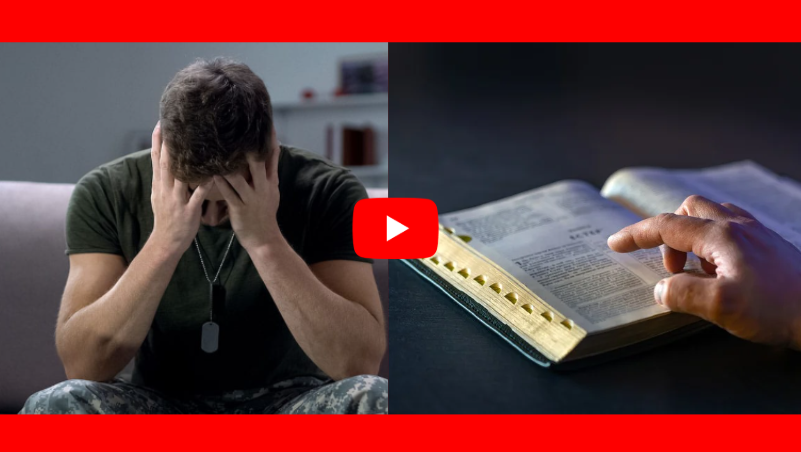
Reading and meditating on Scripture daily can provide comfort and emotional strength.
Psalm 34:18
“The Lord is close to the brokenhearted and saves those who are crushed in spirit.”
This verse reminds trauma survivors that God stays near during emotional suffering.
Philippians 4:6-7
“Do not be anxious about anything… and the peace of God… will guard your hearts and minds.”
Prayer and surrender can help reduce overwhelming anxiety.
2 Timothy 1:7
“For God has not given us a spirit of fear, but of power and of love and of a sound mind.”
PTSD often creates fear and confusion. God offers peace and mental clarity.
Matthew 11:28
“Come to Me, all you who are weary and burdened, and I will give you rest.”
Jesus invites emotionally exhausted people to find rest in Him.
Psalm 147:3
“He heals the brokenhearted and binds up their wounds.”
God cares about emotional wounds just as much as physical wounds.
Prayer as Part of the Biblical Cure for PTSD
Prayer allows believers to bring pain, fear, anger, and anxiety before God. Prayer does not erase trauma instantly, but it creates spiritual connection, emotional release, and peace.
Daily Prayer for PTSD Healing
Heavenly Father,
I come to You carrying fear, pain, anxiety, and emotional wounds. You know every part of my suffering and every memory that troubles me. Please calm my mind, strengthen my heart, and surround me with Your peace.
Help me trust You when fear overwhelms me. Heal the broken places within me and renew my spirit. Replace anxiety with peace, hopelessness with faith, and sorrow with comfort.
Guide me toward healing, wisdom, and support. Thank You for never leaving me alone.
In Jesus’ name,
Amen.
The Importance of Renewing the Mind
Trauma often changes how people think about themselves, others, and the world. PTSD may create thoughts such as:
- “I’m unsafe.”
- “I’m broken.”
- “I’ll never heal.”
- “No one understands me.”
The Bible teaches believers to renew their minds through God’s truth.
Romans 12:2 encourages transformation through renewed thinking. Scripture meditation can gradually replace fear-based thinking with hope and truth.
Ways to Renew the Mind Biblically
- Reading Scripture daily
- Listening to worship music
- Memorizing Bible verses
- Journaling prayers
- Practicing gratitude
- Spending quiet time with God
These spiritual habits help shift focus away from fear and toward faith.
Can Christians Seek Therapy for PTSD?
Yes. Seeking professional therapy does not mean someone lacks faith.
Many Christians benefit from:
- Trauma counseling
- Christian therapy
- EMDR therapy
- Support groups
- Cognitive Behavioral Therapy (CBT)
- Pastoral counseling
God often works through trained professionals, doctors, counselors, and supportive communities.
A biblical cure for PTSD should include wisdom, practical care, and emotional support alongside prayer and faith.
Biblical Counseling and Emotional Healing
Christian counseling combines mental health support with biblical truth. This approach may help individuals:
- Process traumatic memories
- Manage anxiety
- Heal emotionally
- Strengthen faith
- Build healthy coping skills
- Restore relationships
Biblical counseling reminds people they are not defined by trauma. Their identity is found in God.
The Role of Forgiveness in PTSD Recovery
Forgiveness can become an important step in healing emotional wounds. However, forgiveness does not mean:
- Excusing abuse
- Ignoring injustice
- Allowing harmful behavior
- Pretending trauma never happened
Biblical forgiveness means releasing bitterness and allowing God to handle justice.
Forgiveness may free trauma survivors from carrying overwhelming anger and resentment. Yet forgiveness is often a gradual process that takes time, prayer, and support.
Worship and PTSD Healing
Worship can bring emotional peace during difficult moments. Music, praise, and worship redirect focus toward God’s presence and faithfulness.
Many trauma survivors find comfort through:
- Christian worship music
- Singing hymns
- Church fellowship
- Scripture reading during worship
- Quiet worship prayer
Worship may help calm anxiety and restore emotional balance.
How the Church Can Support Trauma Survivors
Church communities play an important role in emotional healing. Supportive Christian relationships can reduce isolation and loneliness.
Healthy church support includes:
- Prayer
- Compassion
- Listening without judgment
- Encouragement
- Accountability
- Counseling referrals
- Safe relationships
Trauma survivors often need patience and understanding rather than criticism or pressure.
PTSD, Fear, and God’s Peace

PTSD can cause constant fear and hypervigilance. People may feel emotionally unsafe even when danger is gone.
The Bible repeatedly teaches that God offers peace in times of fear and uncertainty.
Jesus said in John 14:27:
“Peace I leave with you; My peace I give you.”
God’s peace may not remove every struggle instantly, but it strengthens believers during recovery.
Healing Trauma Through Lament
Many Christians feel pressured to remain positive even during pain. However, the Bible contains many prayers of lament.
Lament means honestly expressing grief, confusion, and sorrow before God.
The Psalms show believers crying out in pain while still trusting God. Lament can become a healthy part of emotional healing because it allows honesty rather than emotional suppression.
Christian Meditation for PTSD
Biblical meditation focuses the mind on God’s promises rather than fearful thoughts.
Helpful Practices Include:
- Repeating calming Bible verses
- Deep breathing with prayer
- Quiet reflection
- Gratitude journaling
- Listening to Scripture audio
- Spending time in nature with prayer
These practices may help calm the nervous system and reduce anxiety symptoms.
Sleep, Rest, and PTSD Recovery
Many people with PTSD struggle with nightmares, insomnia, and fear at night.
The Bible values rest and peace.
Psalm 4:8 says:
“In peace I will lie down and sleep.”
Healthy sleep habits combined with prayer and emotional support may improve recovery.
Helpful practices include:
- Evening prayer
- Limiting stressful media
- Listening to worship music
- Reading calming Scripture before bed
- Maintaining healthy sleep routines
Overcoming Shame Through God’s Love
Trauma survivors often carry shame, guilt, or feelings of worthlessness.
The Bible teaches that human worth comes from God, not from painful experiences.
God’s love remains constant even after trauma.
Romans 8:38-39 reminds believers that nothing can separate them from the love of God.
Healing involves learning to see oneself through God’s compassion rather than through the lens of trauma.
PTSD and Spiritual Warfare
Some Christians view emotional struggles as entirely spiritual, while others focus only on psychology. A balanced biblical perspective recognizes both spiritual and emotional realities.
Prayer, Scripture, faith, and wisdom all matter in healing. However, trauma should not automatically be labeled as personal failure or lack of faith.
People suffering from PTSD need compassion, understanding, and support.
Practical Christian Coping Strategies for PTSD
Here are some practical biblical coping methods:
1. Daily Prayer
Spend time talking honestly with God.
2. Scripture Reading
Focus on comforting verses about peace and healing.
3. Christian Counseling
Seek trained mental health support.
4. Church Community
Avoid isolation and build supportive relationships.
5. Worship Music
Use worship to calm anxiety and focus on God.
6. Journaling
Write prayers, thoughts, and gratitude daily.
7. Healthy Lifestyle Habits
Exercise, sleep, hydration, and nutrition support emotional healing.
8. Patience With the Healing Process
Recovery often happens gradually over time.
What the Bible Says About God’s Presence During Trauma
One of the greatest biblical truths is that God remains present during suffering.
Trauma can make people feel abandoned, but Scripture repeatedly promises God’s closeness.
Deuteronomy 31:8 says:
“He will never leave you nor forsake you.”
Even in fear, grief, or emotional pain, believers can hold onto God’s presence and faithfulness.
Can PTSD Completely Go Away?
Healing experiences vary from person to person. Some people experience dramatic improvement, while others continue managing symptoms over time.
A biblical cure for PTSD should not promise unrealistic instant healing. Instead, biblical healing focuses on:
- Hope
- Restoration
- Peace
- Spiritual strength
- Emotional growth
- God’s presence
- Renewed purpose
Many people discover that faith helps them move forward with courage, healing, and resilience even after trauma.
Final Thoughts on the Biblical Cure for PTSD
The biblical cure for PTSD is not about denying pain or pretending trauma never happened. Instead, it involves bringing emotional wounds before God and allowing His truth, peace, and love to begin the healing process.
The Bible teaches that God cares deeply for the brokenhearted. Through prayer, Scripture, counseling, worship, community, and faith, trauma survivors can experience hope and restoration. Healing may take time, but no person suffers alone when they place their trust in God.
If you or someone you love struggles with PTSD, remember that seeking help is not a weakness.
Combining spiritual support with professional care can provide a strong foundation for emotional recovery. God’s presence, wisdom, and compassion remain available even in life’s darkest moments.
References
