Introduction
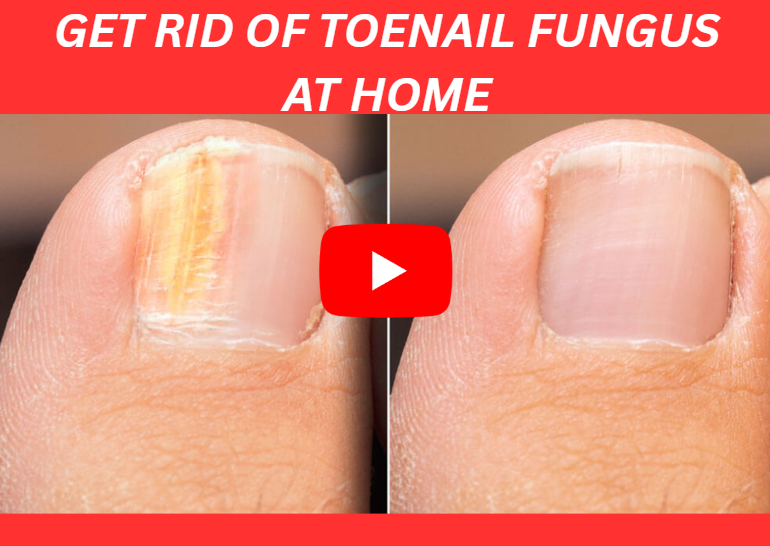
Toenail fungus is a common condition that affects millions of people worldwide. It often begins as a small white or yellow spot under the toenail and gradually spreads deeper into the nail.
As the infection progresses, the nail may become thick, brittle, discolored, and difficult to manage.
Many people search for ways to get rid of toenail fungus at home because the condition can be persistent and embarrassing.
While severe fungal infections may require medical treatment, mild cases can sometimes improve with proper home care, good hygiene, and consistent treatment practices.

In this guide, you’ll learn what causes toenail fungus, the best home remedies, prevention strategies, and when it’s time to seek professional medical care.
What Is Toenail Fungus?
Toenail fungus, also known as onychomycosis, is a fungal infection that affects the toenails. The fungi responsible for these infections thrive in warm, moist environments and can enter the nail through tiny cracks or cuts.
Get rid of toenail fungus at home with proper foot hygiene, tea tree oil, antifungal treatments, and keeping feet clean, dry, and healthy and safely.
The infection usually starts slowly and may go unnoticed in its early stages. Over time, it can cause visible changes in the nail and surrounding skin.
Common Symptoms of Toenail Fungus
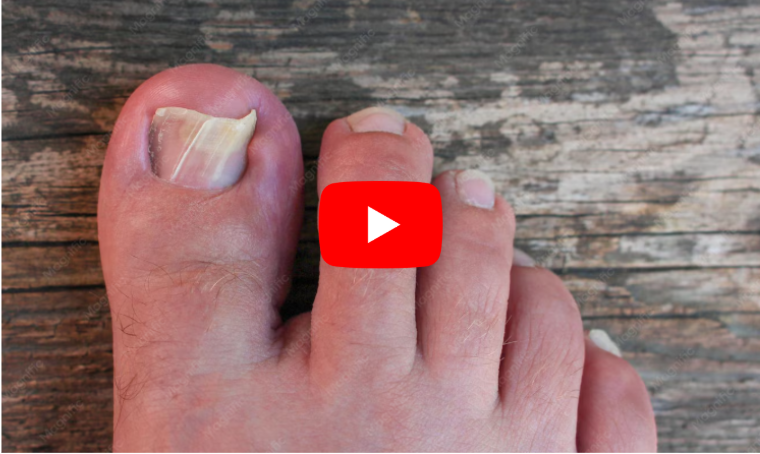
- Yellow, white, or brown discoloration
- Thickened nails
- Brittle or crumbly nail edges
- Distorted nail shape
- Foul odor
- Nail separation from the nail bed
- Pain or discomfort while walking
Without treatment, the infection can spread to other nails and become more difficult to manage.
What Causes Toenail Fungus?
Understanding the causes can help prevent future infections.
Warm and Moist Conditions
Fungi grow best in damp environments. Wearing sweaty socks and shoes for long periods can increase the risk of infection.
Walking Barefoot in Public Places
Public showers, swimming pools, locker rooms, and gym floors often harbor fungi that can infect the feet and nails.
Athlete’s Foot
Athlete’s foot is a fungal skin infection that can spread from the skin to the toenails.
Nail Injuries
Even minor nail damage can create an entry point for fungal organisms.
Aging
Older adults are more likely to develop toenail fungus because nails grow more slowly and circulation may decrease with age.
Certain Health Conditions
People with diabetes, circulation problems, or weakened immune systems may be more susceptible to fungal infections.
Can You Get Rid of Toenail Fungus at Home?
For mild infections, home treatment may help slow fungal growth, improve nail appearance, and support healthy nail regrowth. However, toenail fungus often requires patience because toenails grow slowly.
Even if treatment is effective, visible improvement may take several months.
The key to success is consistency. Skipping treatments or stopping too early can allow the infection to return.
Best Home Remedies for Toenail Fungus
1. Tea Tree Oil
Tea tree oil is one of the most popular natural remedies for fungal infections.
Its antifungal and antimicrobial properties may help reduce fungal growth when applied regularly.
How to Use
- Wash and dry the affected foot thoroughly.
- Apply diluted tea tree oil directly to the infected nail.
- Allow it to dry naturally.
- Repeat twice daily.
Some people notice gradual improvement after several months of consistent use.
2. Vinegar Foot Soaks
Vinegar creates an acidic environment that may help discourage fungal growth.
How to Use
- Mix one part vinegar with two parts warm water.
- Soak your feet for 15 to 20 minutes.
- Dry your feet completely afterward.
Daily soaking can also improve overall foot hygiene.
3. Vicks VapoRub
Although originally designed for cough relief, Vicks VapoRub has become a popular home remedy for toenail fungus.
Ingredients such as menthol and eucalyptus oil may help improve the appearance of infected nails.
How to Use
- Clean and dry the nail.
- Apply a small amount directly to the affected area.
- Use once or twice daily.
Results typically require long-term, consistent application.
4. Proper Nail Trimming
Keeping infected nails short and thin may improve treatment effectiveness.
Best Practices
- Trim nails straight across.
- File down thickened areas carefully.
- Disinfect nail tools after use.
- Avoid sharing nail clippers.
Thinner nails allow topical treatments to penetrate more effectively.
5. Keep Feet Clean and Dry
One of the simplest and most effective ways to manage toenail fungus at home is reducing moisture.
Helpful Tips
- Change socks daily.
- Wear breathable shoes.
- Dry feet thoroughly after bathing.
- Use moisture-wicking socks.
- Alternate shoes to allow them to dry completely.
Fungi thrive in moist conditions, so keeping feet dry is essential.
6. Over-the-Counter Antifungal Treatments
Many pharmacies offer antifungal creams, ointments, and nail solutions that may help with mild fungal infections.
For best results:
- Apply exactly as directed.
- Continue treatment even after symptoms improve.
- Keep nails trimmed and clean.
Remember that visible improvement often takes several months.
7. Disinfect Your Shoes
Many people treat the nail but forget about their footwear.
Fungal organisms can survive inside shoes and contribute to reinfection.
Consider:
- Using antifungal shoe sprays
- Rotating footwear regularly
- Allowing shoes to air out
- Replacing heavily contaminated shoes if needed
This simple step can reduce the likelihood of recurrence.
8. Maintain Excellent Foot Hygiene
Good foot hygiene supports recovery and prevents fungal spread.
Daily habits should include:
- Washing feet thoroughly
- Drying between the toes
- Wearing clean socks
- Using clean towels
- Avoiding barefoot walking in public places
Consistent hygiene creates an environment that is less favorable for fungal growth.
Natural Remedies with Limited Evidence
Several natural remedies are frequently discussed online, although scientific evidence remains limited.
Garlic
Garlic contains compounds that may have antifungal properties.
Oregano Oil
Oregano oil contains thymol, which may offer antimicrobial effects.
Coconut Oil
Coconut oil may help moisturize the skin and provide mild antimicrobial support.
Mouthwash Soaks
Some people use antiseptic mouthwash soaks, though evidence supporting effectiveness is limited.
While these remedies may help some individuals, results vary significantly.
Common Mistakes That Can Make Toenail Fungus Worse
Stopping Treatment Too Early
Many people stop treatment once symptoms improve, even though the fungus may still be present.
Wearing Tight Shoes
Tight footwear traps moisture and places pressure on infected nails.
Ignoring Athlete’s Foot
Fungal skin infections can spread to the nails and cause reinfection.
Sharing Nail Tools
Sharing clippers and files increases the risk of spreading fungal infections.
Poor Foot Hygiene
Failing to keep feet clean and dry creates ideal conditions for fungal growth.
How Long Does It Take to Get Rid of Toenail Fungus at Home?
Toenail fungus does not disappear overnight.
Typical timelines include:
- Early improvement: Several weeks
- Noticeable healthy nail growth: 3–6 months
- Complete nail replacement: 9–18 months
The timeline depends on:
- Severity of infection
- Nail growth rate
- Consistency of treatment
- Overall health status
Patience is necessary because healthy nail growth takes time.
Signs Your Toenail Fungus Is Improving
You may notice:
- Clear nail growth near the base
- Less discoloration
- Reduced thickening
- Stronger nail texture
- Less crumbling or brittleness
Improvement typically starts at the base of the nail and gradually progresses outward.
When Home Remedies May Not Be Enough
Home treatment is not always sufficient.
Consider consulting a healthcare provider if:
- The infection covers most of the nail
- Multiple nails are affected
- The nail becomes painful
- The nail separates from the nail bed
- Symptoms continue worsening
- You have diabetes
- You have circulation problems
- You have a weakened immune system
Professional evaluation can help determine the most effective treatment plan.
Medical Treatments for Toenail Fungus
Healthcare providers may recommend:
Prescription Oral Antifungal Medications
These medications are often more effective than topical treatments for stubborn infections.
Prescription Topical Treatments
Medicated nail solutions may be recommended for mild to moderate infections.
Nail Debridement
A healthcare provider may thin or trim thickened nails to improve treatment penetration.
Nail Removal
In severe cases, partial or complete nail removal may be considered.
How to Prevent Toenail Fungus from Returning
Even after successful treatment, toenail fungus can return.
Wear Breathable Footwear
Choose shoes that allow airflow and reduce moisture buildup.
Change Socks Regularly
Fresh socks help keep feet dry throughout the day.
Protect Your Feet in Public Areas
Wear sandals or shower shoes in communal facilities.
Keep Nails Trimmed
Short nails are easier to clean and inspect.
Avoid Sharing Personal Items
Do not share:
- Nail clippers
- Foot files
- Shoes
- Socks
- Towels
Treat Athlete’s Foot Quickly
Prompt treatment can prevent fungal spread to the toenails.
Final Thoughts
If you’re looking to get rid of toenail fungus at home, a combination of proper hygiene, consistent treatment, and preventive measures can help manage mild infections.
Keeping your feet clean and dry, trimming nails properly, disinfecting footwear, and using appropriate home remedies may support healthier nail growth over time.
However, toenail fungus can be persistent. If symptoms worsen, spread, become painful, or fail to improve after several months, professional medical evaluation is recommended.
Early treatment often leads to better outcomes and can help prevent permanent nail damage.
Frequently Asked Questions
What kills toenail fungus the fastest?
Prescription oral antifungal medications are generally considered the most effective option for stubborn infections. Home remedies may help but usually work more slowly.
Does vinegar cure toenail fungus?
Vinegar may help create conditions that discourage fungal growth, but it is not guaranteed to eliminate the infection.
Can tea tree oil help toenail fungus?
Tea tree oil has antifungal properties and may support improvement in mild cases when used consistently.
Is toenail fungus contagious?
Yes. The infection can spread through shared surfaces, footwear, and personal grooming tools.
Can toenail fungus disappear on its own?
In most cases, toenail fungus does not resolve without treatment and may gradually worsen over time.
References
