Indroduction
Toenail fungus is a common yet frustrating condition that affects millions of people worldwide. Medically known as onychomycosis, this fungal infection can cause toenails to become yellow, thick, brittle, discolored, and difficult to manage.
While it may start as a small white or yellow spot beneath the nail, the infection can spread deeper into the nail over time if left untreated.
Many people seek natural remedies before turning to prescription treatments, especially when the infection is mild.
Although severe fungal infections often require professional medical treatment, several home remedies and healthy foot-care habits may help reduce fungal growth, improve nail appearance, and support recovery.
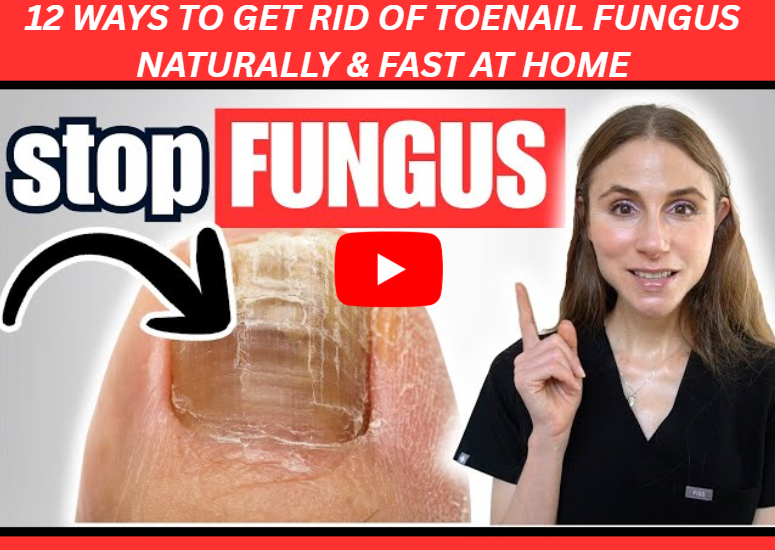

In this comprehensive guide, we’ll explore 12 effective ways to get rid of toenail fungus naturally and fast at home, along with prevention tips and advice on when to seek medical care.
What Causes Toenail Fungus?
Toenail fungus develops when fungi enter the nail through tiny cracks in the nail or surrounding skin. These organisms thrive in warm, dark, and moist environments, making sweaty shoes and damp socks ideal breeding grounds. Common risk factors include:
Discover 12 ways to get rid of toenail fungus: naturally & fast using home remedies, smart foot care habits, and simple prevention tips today. Easily!
- Wearing tight or non-breathable footwear
- Walking barefoot in public showers or locker rooms
- Having athlete’s foot
- Nail injuries
- Excessive sweating
- Aging
- Diabetes or weakened immune function
Toenail fungus is more common in toenails than in fingernails because feet often remain enclosed in shoes for long periods.
Common Symptoms of Toenail Fungus
Recognizing toenail fungus early can improve your chances of successful treatment. Symptoms may include:
- Yellow, brown, or white discoloration
- Thickened nails
- Brittle or crumbly nails
- Distorted nail shape
- Separation from the nail bed
- Foul odor
- Cracking or splitting nails
As the infection progresses, discomfort and difficulty walking may occur.
12 Ways to Get Rid of Toenail Fungus Naturally & Fast at Home
1. Tea Tree Oil
Tea tree oil is among the most popular natural remedies for fungal infections due to its antifungal and antiseptic properties.
How to Use:
- Clean and dry your feet thoroughly.
- Apply a few drops of diluted tea tree oil directly to the affected nail.
- Allow it to absorb completely.
- Repeat twice daily.
Many people use tea tree oil consistently for several months to support healthier-looking nails. While results vary, it remains one of the most widely used home treatments for mild fungal infections.
2. Vinegar Foot Soaks
Vinegar creates an acidic environment that may help inhibit fungal growth.
How to Use:
- Mix one part vinegar with two parts warm water.
- Soak your feet for 15–20 minutes daily.
- Dry your feet thoroughly afterward.
Apple cider vinegar is commonly used, although regular white vinegar may also be effective. Consistency is key when using vinegar soaks.
3. Keep Your Nails Trimmed and Thin
Thickened nails make it difficult for treatments to reach the infected area.
Regular trimming can:
- Reduce fungal buildup
- Decrease nail pressure
- Improve treatment penetration
- Enhance nail appearance
Use sanitized nail clippers and disinfect them after every use. Keeping nails short also reduces places where fungi can thrive.
4. Use Vicks VapoRub
Although designed for cough relief, Vicks VapoRub has become a surprisingly popular home remedy for toenail fungus.
Its ingredients, including menthol and eucalyptus oil, may possess antimicrobial properties that help improve nail appearance over time.
How to Use:
- Wash and dry feet.
- Apply a small amount to the affected nail daily.
- Cover with a clean sock if desired.
Several individuals report visible improvements after months of consistent application.
5. Oregano Oil
Oregano oil contains a natural compound called carvacrol, which has antimicrobial properties.
Directions:
- Mix a few drops of oregano oil with a carrier oil.
- Apply carefully to the affected nail.
- Repeat once or twice daily.
Always perform a patch test first, as oregano oil can irritate sensitive skin.
6. Garlic Treatment
Garlic has long been used in traditional medicine for its antimicrobial qualities.
Methods:
- Crush fresh garlic and apply it to the affected nail for 20–30 minutes.
- Alternatively, include garlic regularly in your diet.
While scientific evidence remains limited, many people use garlic as part of their natural antifungal routine.
7. Improve Foot Hygiene
Proper foot hygiene is one of the most important steps in combating toenail fungus.
Daily Habits:
- Wash feet thoroughly with soap and water.
- Dry carefully between the toes.
- Change socks daily.
- Wear clean footwear.
Maintaining a clean and dry environment helps reduce fungal growth and prevents reinfection. (CDC)
8. Wear Breathable Shoes and Moisture-Wicking Socks
Fungi flourish in moist conditions. Wearing breathable footwear can help keep your feet dry.
Best Practices:
- Choose mesh or ventilated shoes.
- Wear moisture-wicking socks.
- Alternate shoes daily.
- Allow shoes to dry completely before reuse.
Reducing moisture exposure is essential for long-term prevention and treatment.
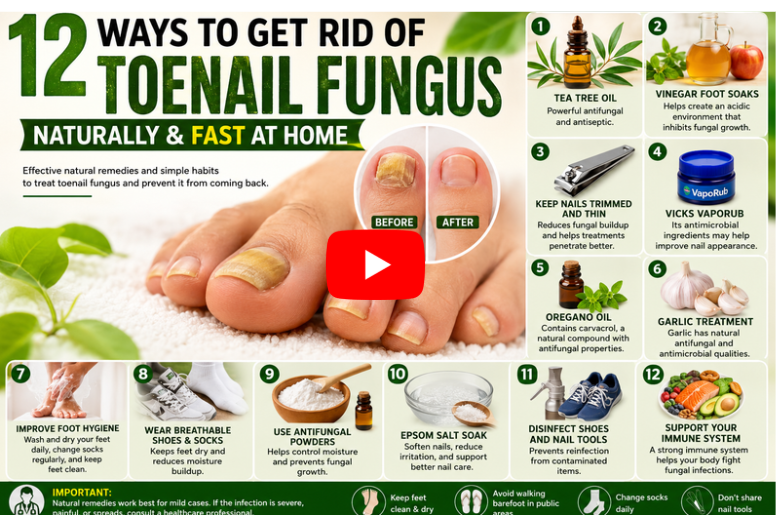

9. Use Antifungal Powders
Natural or over-the-counter antifungal powders can help control moisture and create a less favorable environment for fungal growth.
Benefits include:
- Reduced foot sweating
- Improved shoe hygiene
- Lower risk of reinfection
Many people sprinkle powder inside shoes and socks before wearing them.
10. Soak Feet in Warm Water and Epsom Salt
Epsom salt soaks may not directly kill fungus, but they can:
- Soften thick nails
- Improve comfort
- Reduce irritation
- Support better nail care
How to Use:
- Add Epsom salt to warm water.
- Soak feet for 15–20 minutes.
- Dry thoroughly afterward.
This remedy works particularly well before trimming thickened nails.
11. Disinfect Shoes and Nail Tools
Even if you’re treating the infection successfully, contaminated shoes and tools can lead to reinfection.
Prevention Steps:
- Disinfect nail clippers regularly.
- Wash socks in hot water.
- Use antifungal sprays inside shoes.
- Replace heavily contaminated footwear if necessary.
Good hygiene practices significantly reduce recurring infections.
12. Support Your Immune System
A healthy immune system helps your body fight infections more effectively.
Focus on:
- Eating nutrient-rich foods
- Staying hydrated
- Getting adequate sleep
- Managing stress
- Exercising regularly
Nutrients such as zinc, vitamin C, vitamin D, and protein support overall nail health and immune function.
Why Natural Treatments Take Time
One of the biggest misconceptions about toenail fungus is expecting immediate results.
Even when fungal growth is controlled, damaged nails must grow out and be replaced with healthy nail tissue. Toenails grow slowly, which means noticeable improvement may take several months.
Many people stop treatment too early because they don’t see quick results. Consistency and patience are critical for success.
Community experiences frequently emphasize that improvement can take many months before becoming visible.
Foods That May Support Healthy Nails
Although diet alone won’t cure toenail fungus, certain foods can support nail health and immune function.
Consider adding:
- Leafy green vegetables
- Citrus fruits
- Fatty fish
- Eggs
- Nuts and seeds
- Yogurt
- Lean proteins
A balanced diet supports overall wellness and may contribute to stronger, healthier nails.
Common Mistakes That Make Toenail Fungus Worse
Avoid these common errors:
Ignoring Early Symptoms
The sooner treatment begins, the better your chances of success.
Wearing Damp Socks
Moisture encourages fungal growth.
Sharing Nail Tools
Fungus can spread through contaminated clippers and files.
Walking Barefoot in Public Areas
Locker rooms, gyms, and pools can expose you to fungal organisms.
Stopping Treatment Too Soon
Fungal infections often require months of consistent care.
How to Prevent Toenail Fungus from Returning
Once the infection improves, prevention becomes essential.
Prevention Checklist
✔ Keep feet clean and dry
✔ Trim nails regularly
✔ Wear breathable footwear
✔ Change socks daily
✔ Use shower shoes in public facilities
✔ Disinfect nail tools
✔ Avoid sharing footwear
✔ Treat athlete’s foot promptly
These habits can significantly reduce the risk of recurrence.
When Should You See a Doctor?
Natural remedies may help mild infections, but some situations require professional evaluation.
Seek medical care if:
- The infection continues to spread
- The nail becomes painful
- Walking becomes difficult
- Multiple nails are affected
- You have diabetes
- You have poor circulation
- You have a weakened immune system
Healthcare providers can determine whether prescription topical or oral antifungal treatments are necessary.
Final Thoughts
Toenail fungus can be stubborn, but many people successfully improve mild infections through consistent home care and preventive habits.
Natural remedies such as tea tree oil, vinegar soaks, oregano oil, garlic, and Vicks VapoRub may support healthier nails when combined with proper hygiene and moisture control.
The key is patience. Toenails grow slowly, and visible improvement often takes several months.
By maintaining good foot hygiene, keeping nails trimmed, disinfecting footwear, and consistently using natural antifungal remedies, you can create an environment that supports healthier nail growth and reduces the risk of future infections.
For severe, painful, or persistent infections, professional medical evaluation remains the safest and most effective option.
References
