Indroduction
Neuropathy, often referred to as peripheral neuropathy, affects millions worldwide. It is a condition characterized by nerve damage that can lead to numbness, tingling, burning sensations, and even chronic pain in the hands, feet, or other extremities.
While medications and conventional treatments exist, many people are now turning to natural remedies to complement their treatment plans.
One surprisingly powerful tool that has emerged in recent years is a simple dietary strategy often referred to as the “Spinach Trick.”
Spinach Trick for Neuropathy | Boost Nerve Health Naturally


This blog post will explore what neuropathy is, the role of diet in nerve health, and how spinach—packed with key nutrients—can help support nerve function and reduce neuropathy symptoms.
Understanding Neuropathy and Its Causes
Neuropathy is primarily caused by damage to the peripheral nerves—the network that transmits signals between the brain, spinal cord, and the rest of the body.
The causes are numerous, ranging from diabetes and autoimmune disorders to infections, vitamin deficiencies, and prolonged exposure to toxins.
Types of Neuropathy
- Peripheral Neuropathy: Affects the hands, feet, and limbs, causing numbness, tingling, and pain.
- Autonomic Neuropathy: Impacts the autonomic nervous system, affecting digestion, heart rate, and bladder control.
- Focal Neuropathy: Sudden weakness or pain in a specific nerve or group of nerves, often in the head, torso, or leg.
- Diabetic Neuropathy: One of the most common types, caused by prolonged high blood sugar levels damaging nerve fibers.
The symptoms often start subtly but can progressively worsen if left untreated. Early intervention, especially through dietary and lifestyle adjustments, is key to managing neuropathy effectively.
The Role of Nutrition in Neuropathy
Diet plays a significant role in nerve health. Deficiencies in essential vitamins and minerals can accelerate nerve damage, whereas consuming nutrient-rich foods can help repair and protect nerve fibers.
Key nutrients for nerve health include:
- Vitamin B Complex: Supports nerve repair and function.
- Magnesium: Crucial for nerve signal transmission.
- Antioxidants: Reduce oxidative stress that damages nerves.
- Folate: Promotes cellular repair and neurological function.
Incorporating foods rich in these nutrients into your daily diet can provide both preventative and restorative benefits for neuropathy patients.
Why Spinach Is a Neuropathy Superfood
Spinach is more than just a leafy green; it is a powerhouse of nutrients essential for nerve health. The so-called “Spinach Trick” revolves around incorporating spinach in specific ways to maximize its neuropathy benefits.
Nutrient Profile of Spinach
Spinach is loaded with:
- Magnesium: Supports nerve signaling and reduces muscle cramps.
- Folate (Vitamin B9): Vital for nerve repair and myelin sheath formation.
- Vitamin B6: Helps prevent peripheral nerve degeneration.
- Antioxidants (Lutein, Zeaxanthin, and Vitamin C): Reduce oxidative stress on nerve cells.
- Iron: Supports healthy oxygen delivery to nerve tissues.
These nutrients work synergistically to reduce inflammation, improve blood flow, and protect nerves from oxidative damage.
How the Spinach Trick Works
The Spinach Trick is not about consuming large amounts blindly; it’s about a strategic approach to enhance nerve function:
- Daily Raw Intake: Incorporating 1–2 cups of raw spinach in salads or smoothies ensures maximum nutrient preservation. Cooking can reduce certain water-soluble vitamins like B6 and folate.
- Pairing with Healthy Fats: Vitamins like A, K, and lutein in spinach are fat-soluble. Pairing spinach with healthy fats such as olive oil, avocado, or nuts enhances nutrient absorption.
- Consistent Routine: Neuropathy benefits are cumulative. Regular daily consumption over weeks can help reduce tingling, numbness, and burning sensations gradually.
- Combination with Other Nerve-Supporting Foods: Pairing spinach with other neuropathy-friendly foods—like fatty fish (omega-3s), turmeric (curcumin), and berries (antioxidants)—amplifies protective effects.
Scientific Evidence Supporting Spinach for Nerve Health
Emerging studies indicate that diets rich in folate, magnesium, and antioxidants can mitigate neuropathy symptoms. Spinach, due to its high content of these nutrients, has been linked to:
- Reduced oxidative stress: Antioxidants in spinach neutralize harmful free radicals that damage nerves.
- Improved nerve signaling: Magnesium helps stabilize nerve excitability, reducing pain and cramping.
- Enhanced nerve repair: Folate supports DNA and RNA synthesis, critical for regenerating damaged nerve cells.
A study published in Frontiers in Endocrinology highlighted the role of antioxidant-rich diets in reducing diabetic neuropathy symptoms and improving quality of life for patients .
Reduce Neuropathy Symptoms with the Spinach Trick
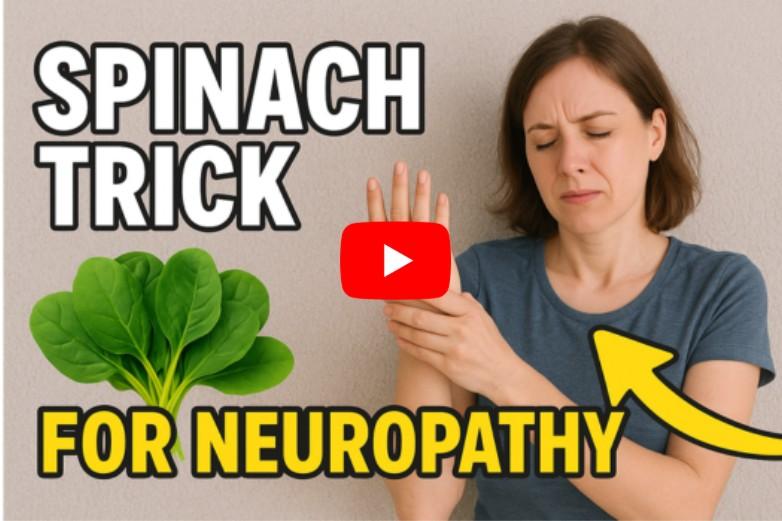
Step-by-Step Guide to the Spinach Trick
Here’s how to incorporate the Spinach Trick effectively:
1. Start Your Day with Spinach Smoothies
Blend 1–2 cups of fresh spinach with a banana, Greek yogurt, chia seeds, and a teaspoon of flaxseed oil. This combination ensures maximum absorption of both water-soluble and fat-soluble nutrients.
2. Include Spinach in Lunch Salads
Make a colorful salad including:
- Raw spinach
- Bell peppers (Vitamin C)
- Pumpkin seeds (Magnesium)
- Olive oil dressing (healthy fats)
This helps maintain steady nutrient intake throughout the day.
3. Add Spinach to Dinner
Sauté spinach lightly with garlic and olive oil or add it to soups and stews. This provides anti-inflammatory compounds without excessive nutrient loss.
4. Snack on Spinach-Based Options
Spinach smoothies, wraps, or even spinach chips can make snacks nerve-friendly and satisfying.
Additional Lifestyle Tips to Enhance the Spinach Trick
- Regular Exercise: Improves circulation, delivering more nutrients to nerve tissues.
- Stay Hydrated: Adequate hydration supports nerve function and reduces cramping.
- Manage Blood Sugar: Especially for diabetic neuropathy, maintaining glucose within healthy ranges prevents further nerve damage.
- Vitamin Supplementation: If dietary intake is insufficient, consider a B-complex vitamin or magnesium supplement, after consulting your physician.
- Reduce Alcohol and Tobacco Use: Both can exacerbate neuropathy symptoms.
Expected Results and Timeline
Consistency is critical. With daily incorporation of spinach and adherence to the tips above, many patients report:
- 2–3 weeks: Reduced tingling and burning sensations.
- 4–6 weeks: Improved mobility and decreased numbness in extremities.
- 2–3 months: Noticeable improvement in overall nerve function and quality of life.
Individual results vary based on the severity of neuropathy, age, underlying conditions, and overall diet.

Who Can Benefit from the Spinach Trick?
- Individuals with diabetic neuropathy looking for natural adjunctive support.
- People experiencing early signs of peripheral nerve damage.
- Patients seeking preventative strategies for nerve health.
- Anyone wishing to improve overall antioxidant intake and nutrient density in their diet.
Potential Limitations
While spinach is safe for most people, consider:
- Kidney Stones: Spinach contains oxalates, which can contribute to kidney stones in susceptible individuals.
- Vitamin K Interactions: Spinach is high in vitamin K; individuals on anticoagulants should consult their doctor.
- Supplementation Needs: In severe neuropathy, dietary spinach alone may not suffice, and medical intervention may be necessary.
Conclusion
The Spinach Trick for Neuropathy is a simple yet powerful approach to support nerve health naturally.
By incorporating spinach strategically into your daily diet, you can harness the benefits of magnesium, folate, B vitamins, and antioxidants to reduce neuropathy symptoms and promote nerve repair.
This dietary strategy, combined with healthy lifestyle practices, offers a holistic path to improved quality of life, particularly for those dealing with diabetic or peripheral neuropathy.
While it is not a replacement for professional medical treatment, the Spinach Trick can serve as an effective adjunctive measure.
By taking control of your diet today, you can help protect your nerves, reduce discomfort, and regain confidence in your mobility and overall well-being.

Reference
