14 Best Anti‑Snoring Devices: Sleep Better, Live Better
Do you wake up feeling tired, even after a full night’s sleep? Does your partner nudge you, complaining that your snoring keeps them awake?
You’re not alone. Snoring affects millions worldwide, disrupting not just your sleep but your quality of life.
Whether your snoring is occasional or chronic, there’s good news: the right anti‑snoring devices can stop noisy nights in their tracks.
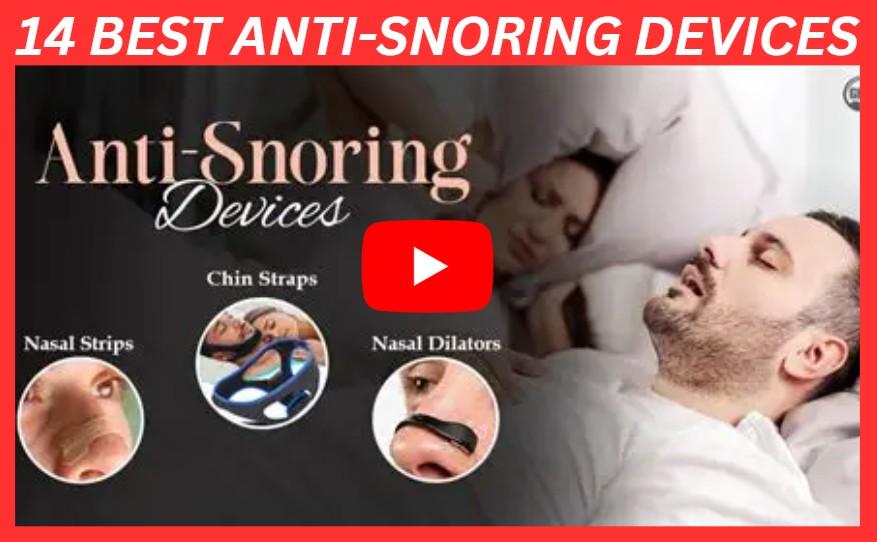

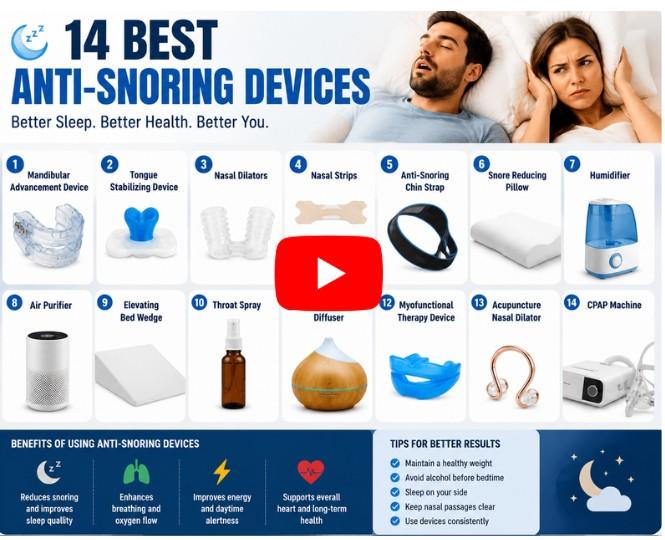
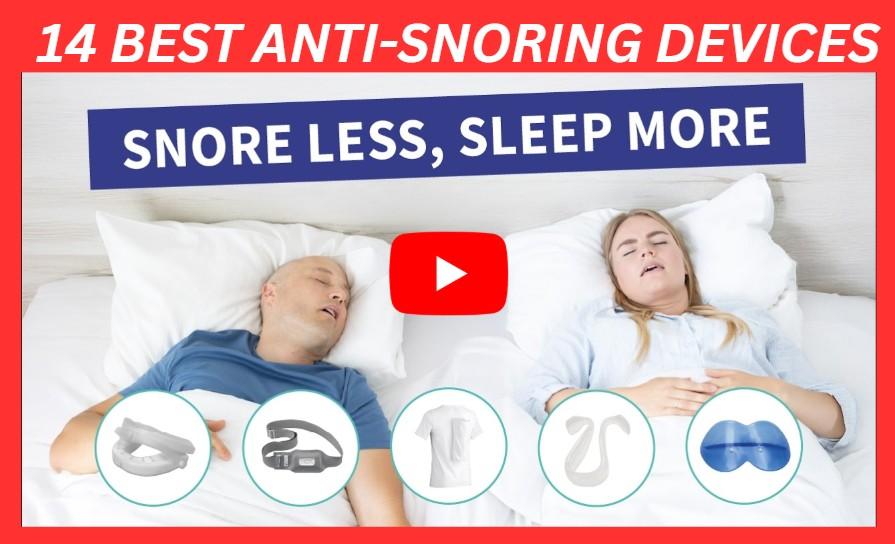
In this comprehensive guide, we’ll break down the 14 best anti‑snoring devices available in 2026, how they work, who they’re best for, and tips for choosing the most effective solution for your situation.
Understanding the Root Causes of Snoring
Snoring isn’t just annoying — it’s a physical symptom. While it’s common, especially as we age, persistent snoring can be a sign of an underlying problem in the airway.
Here are common factors that contribute to snoring:
✔ Blocked Nasal Airways
Allergies, sinus infections, colds, or a deviated septum can narrow nasal passages and cause snoring.
✔ Weak Throat Muscles
During sleep, weakened muscles can collapse into the airway, causing vibrations that produce snoring sounds.
✔ Oversized Tonsils or Soft Tissues
Excess tissue in the throat or mouth can partially block airflow.
✔ Sleep Position
Sleeping on your back makes it easier for the tongue and soft tissues to obstruct breathing.
✔ Lifestyle Factors
Alcohol, tobacco, obesity, and certain medications relax throat muscles and increase snoring.
If snoring is loud, frequent, or accompanied by gasping, pauses in breathing, or daytime fatigue, a medical evaluation is recommended to rule out sleep apnea.
How Anti‑Snoring Devices Work
Anti‑snoring devices generally fall into three categories:
1. Mandibular Advancement Devices (MADs)
These reposition the lower jaw and tongue forward, widening the airway.
2. Nasal Dilators
Strips, cones, or clips that open nasal passages and reduce resistance.
3. Tongue Stabilizing Devices (TSDs)
These gently hold the tongue forward to prevent it from obstructing airflow.
4. Smart Sleep Tech
Wearables and adjustable systems that adapt based on your sleep pattern.
Choosing the right option depends on where your snoring starts — in the nose, mouth, or throat — and your personal comfort preferences.
The 14 Best Anti‑Snoring Devices (2026 Review)
1. VitalSleep Anti‑Snoring Mouthpiece
VitalSleep tops our list for good reason. This adjustable mandibular device lets you fine‑tune jaw position to keep airways open comfortably throughout the night. It’s FDA‑cleared and backed with a satisfaction guarantee — making it perfect for moderate snorers who want customizable comfort.
- Best For: Moderate to severe snoring
- Pros: Adjustable, custom‑fit, non‑invasive
- Cons: Adjustment period needed
2. ZQuiet Anti‑Snoring Mouthpiece
Designed with a flexible hinge, ZQuiet allows natural mouth movement. You can speak and swallow while wearing it, making it one of the most comfortable MADs for beginners.
- Best For: Occasional snorers
- Pros: No boil‑and‑bite fitting, comfortable hinge
- Cons: Slightly bulkier feel
3. SnoreRx Mouthpiece
This device features micro‑adjustments for precise jaw positioning, helping tailor the fit to your unique anatomy. It’s FDA‑cleared and clinically studied for effectiveness.
- Best For: Adjustable custom fit
- Pros: Micro‑adjustable, flexible design
- Cons: Jaw soreness during adaptation
4. Breathe Right Nasal Strips
These externally applied nasal strips gently open nasal passages. They are ideal for snorers whose primary issue is nasal congestion — including allergy sufferers and cold sufferers.
- Best For: Nasal obstruction, snoring
- Pros: Easy to use, drug‑free
- Cons: Adhesive may irritate sensitive skin
5. AirSnore Anti‑Snoring Device

AirSnore combines tongue stabilization with mandibular advancement for double action. It targets both mouth and throat contributors to snoring.
- Best For: Dual‑action relief
- Pros: Comfortable fit, multi‑mechanism design
- Cons: Not suitable for severe sleep apnea
6. Good Morning Snore Solution
A tongue‑stabilizing device (TSD) that gently holds the tongue forward using soft medical‑grade silicone. This prevents the tongue from blocking the airway — a common source of snoring.
- Best For: Tongue‑based snoring
- Pros: Comfortable, easy to clean
- Cons: Some users experience dry mouth
7. SnoreLab Anti‑Snoring Device (Wearable)
SnoreLab is a high‑tech wearable that tracks snoring intensity, sleep quality, and patterns over time. By analyzing your data, it offers recommendations to gradually reduce snoring.
- Best For: Data‑driven sleepers
- Pros: Insightful analytics, trend tracking
- Cons: Requires smartphone connection
8. Zyppah Anti‑Snoring Mouthpiece
Zyppah uses both tongue retention and jaw advancement technologies. This hybrid approach means it works from multiple angles — especially for stubborn snorers.
- Best For: Multi‑mechanism relief
- Pros: Dual‑technology design
- Cons: Bulkier than single‑purpose options
9. SomniFix Mouth Tape
This clever product promotes nose breathing by gently sealing the lips during sleep. For people who snore due to mouth breathing, it can be life‑changing.
- Best For: Mouth breathers
- Pros: Simple and non‑invasive
- Cons: Not suitable if nasal breathing is difficult
10. VitalSleep Premium Deluxe
An upgraded version of the classic VitalSleep design, this device offers enhanced comfort, increased adjustability, and extra durability. Comes with a storage and travel case.
- Best For: Frequent travelers & daily users
- Pros: Premium materials, customizable
- Cons: Higher price point
11. Smart Nora Anti‑Snoring Pillow System
A breakthrough in anti‑snoring tech — Smart Nora includes a sensor that detects snoring and gently inflates a hidden air bladder inside your pillow. The motion repositions your head for better airflow, all without you waking up.
- Best For: Tech‑savvy couples
- Pros: Non‑invasive, automatic
- Cons: Larger setup, pricier
12. Snoreeze Nasal Spray
This natural formula lubricates nasal passages and soothes irritation that can lead to snoring. While not a device per se, it’s a great complementary solution for sinus‑related snoring.
- Best For: Congestion‑triggered snoring
- Pros: Fast‑acting, drug‑free
- Cons: Requires a nightly routine
13. SleepTight Mouthpiece
A boil‑and‑bite style mouthpiece that molds to your mouth for a custom fit. It’s FDA‑cleared and highly effective at gently repositioning the jaw.
- Best For: Custom‑fit seekers
- Pros: Personalized fit
- Cons: Initial fitting process
14. Zzoma Nose Cones
Zzoma offers soft medical‑grade nasal cones that expand nostrils, facilitating easier airflow. They’re portable and ideal for travel or exercise.
- Best For: Portability and comfort
- Pros: Lightweight, non‑invasive
- Cons: Takes time to adjust
Comparing the 14 Best Snoring Devices
| Category | Best Choice |
|---|---|
| Best Overall | VitalSleep |
| Best for Beginners | ZQuiet |
| Best Wearable Tech | SnoreLab |
| Best Non‑Invasive | Breathe Right Strips |
| Best for Tongue‑Based Snoring | Good Morning Snore Solution |
| Most High‑Tech | Smart Nora Pillow |
Benefits of Using Anti‑Snoring Devices
Using the right device can lead to:
✔ Improved sleep quality
✔ Reduced daytime fatigue
✔ Better breathing
✔ Enhanced relationship harmony
✔ Increased overall health
Snoring solutions go beyond quiet nights — they support cardiovascular health, respiratory function, and cognitive performance through improved oxygenation.
How to Choose the Right Anti‑Snoring Device
To select the right device for you, ask yourself:
🛌 Where does your snoring start?
- Nose? → Nasal dilators or strips
- Mouth? → MAD or TSD devices
💡 How comfortable is essential?
Better comfort means better adherence.
📊 Are you tracking improvement?
Consider wearables for progress data.
📍 Do you breathe through your mouth?
Mouth tape devices can help retrain nasal breathing.
💰 What’s your budget?
Many solutions range from budget‑friendly to premium.
Tips for Better Sleep and Reduced Snoring
While devices help, lifestyle changes support long‑term results:
✨ Maintain a healthy weight
Even modest weight loss can reduce the frequency of snoring.
✨ Sleep on your side
Use positional pillows to prevent back sleeping.
✨ Avoid alcohol before bed
Alcohol relaxes throat muscles.
✨ Keep nasal passages clear
Try saline rinses or allergy management.
When to See a Doctor
If your snoring is accompanied by:
✔ Frequent pauses in breathing
✔ Gasping or choking sounds
✔ Severe daytime sleepiness
✔ High blood pressure
— You should speak with a healthcare provider. These can be signs of sleep apnea, which requires medical evaluation.
Final Thoughts
Snoring doesn’t have to disrupt your sleep or your partner’s rest. The 14 anti-snoring devices outlined above offer solutions ranging from simple nasal strips to advanced smart pillows.
Choosing the right device depends on your personal comfort, the cause of snoring, and how invasive you want the solution to be.
With proper use, anti-snoring devices can lead to deeper sleep, improved health, and more harmonious nights for you and your loved ones.
Always consult with a healthcare professional if snoring persists, as it may indicate sleep apnea or other health concerns. Investing in the right anti-snoring device is an investment in better sleep and overall well-being.
Reference
