In recent years, the internet has seen a surge in natural health trends promising better energy, vitality, and overall wellness.
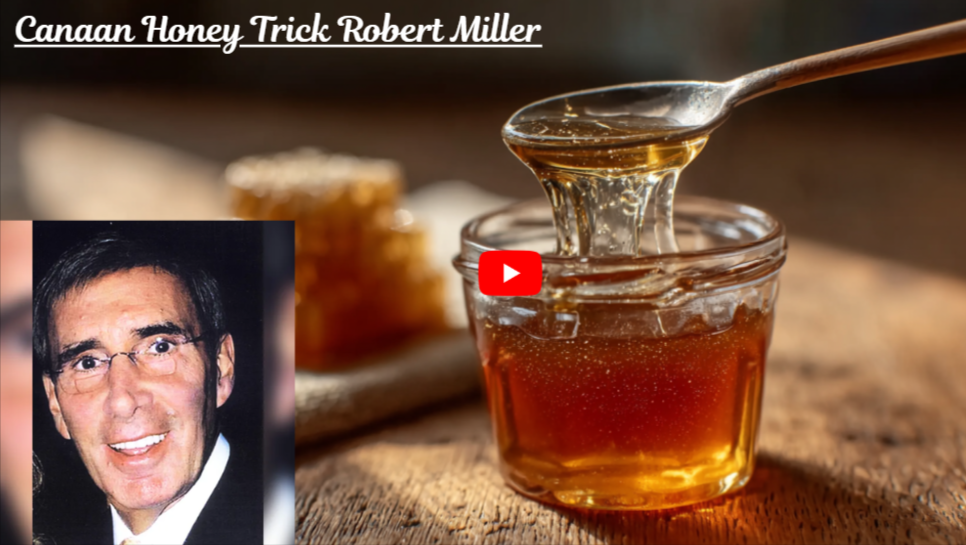
One such trend gaining attention is the Canaan honey trick Robert Miller, a concept circulating across blogs, videos, and wellness forums.
Supporters claim it is a traditional remedy with powerful benefits, while skeptics argue that it is mostly anecdotal and lacks scientific backing.


The Canaan honey trick linked to Robert Miller is an online wellness claim. This article explores its origins, ingredients, benefits, risks, and scientific evidence.
What Is the Canaan Honey Trick Robert Miller?
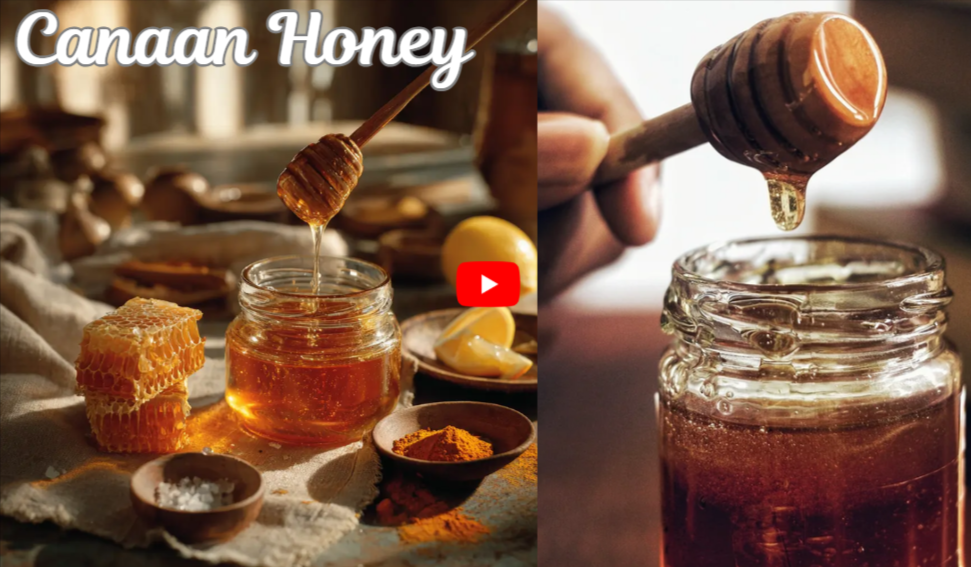
The Canaan honey trick Robert Miller refers to a wellness concept that combines raw or biblical-style honey with traditional timing or preparation methods.
According to online narratives, Robert Miller popularized or explained this method as a natural approach to improving vitality and metabolic balance.
It is important to note that there is no verified medical protocol officially recognized under this name. Instead, it appears to be a modern interpretation of ancient honey usage blended with contemporary wellness marketing.
Who Is Robert Miller in This Context?
Several online sources mention Robert Miller as a researcher, wellness advocate, or commentator discussing ancient nutrition principles. However:
-
There is no universally recognized medical professional or peer-reviewed authority directly tied to this method
-
Claims attributed to him are largely based on interviews, articles, or promotional content
-
His role appears to be educational or interpretive rather than clinical
Readers should differentiate between wellness commentary and medical expertise.
Understanding Canaan Honey
What Is Canaan Honey?
Canaan honey is often described as:
-
Raw, unprocessed honey
-
Sourced from natural floral regions
-
Inspired by historical references to the “land of milk and honey”
Historically, honey has been valued for its nutritional and preservative properties. Ancient civilizations used it as food, medicine, and ceremonial offering.
Nutritional Composition of Raw Honey
| Component | Approximate Role |
|---|---|
| Natural sugars | Quick energy source |
| Antioxidants | Help reduce oxidative stress |
| Enzymes | Aid digestion |
| Trace minerals | Support metabolic functions |
Raw honey differs significantly from processed honey, as heating can destroy beneficial enzymes.
The “Trick” Explained
The so-called trick usually involves:
-
Consuming a small amount of honey
-
Timing intake (often morning or night)
-
Sometimes mixing with warm water or lemon
These practices are not unique and resemble many traditional wellness routines found across cultures.
Claimed Benefits of the Canaan Honey Trick
Supporters claim the method may help with:
-
Energy levels
-
Digestive comfort
-
Metabolic balance
-
General vitality
Commonly Mentioned Benefits
-
Honey provides a natural carbohydrate source
-
Contains antioxidants that may support cellular health
-
May soothe the digestive tract
-
Offers a natural alternative to refined sugar
These benefits are based on general honey research, not a specific branded method.
Scientific Evidence: What Does Research Say?
Honey and Health – What Is Proven
Scientific studies support that honey:
-
Has antioxidant and antimicrobial properties
-
May help soothe coughs and sore throats
-
Can support gut health when consumed moderately
What Is Not Proven
-
No clinical studies confirm a unique “Canaan honey trick”
-
No evidence links this method directly to disease prevention or reversal
-
Claims of hormonal or metabolic transformation are unverified
Any health routine lacking peer-reviewed evidence should be approached cautiously.
Myths vs Facts
| Myth | Fact |
|---|---|
| It is a miracle cure | No food cures diseases |
| It works instantly | Natural nutrition works gradually |
| It replaces medication | It should never replace medical treatment |
| It is risk-free | Honey can affect blood sugar levels |
Safety and Precautions
Even natural products can have risks if misused.
Who Should Be Careful?
-
People with diabetes
-
Individuals with honey or pollen allergies
-
Infants under one year of age
-
Those on strict dietary plans
Consulting a healthcare professional before making dietary changes is strongly recommended.
Why the Canaan Honey Trend Gained Online Popularity
The rapid spread of the Canaan honey trick Robert Miller across social media and wellness blogs can be attributed to the growing preference for natural health solutions.
People are increasingly skeptical of synthetic supplements and are turning toward food-based remedies rooted in tradition. The use of storytelling, ancient symbolism, and simplified “tricks” makes such trends easy to remember and share.
Digital platforms amplify health narratives quickly, even when scientific validation is limited. As a result, many users encounter these ideas repeatedly, reinforcing perceived credibility through repetition rather than evidence.
Role of Raw Honey in Traditional Diets
Raw honey has been consumed for centuries as both a food and a therapeutic ingredient. Traditional diets valued honey not for miracles, but for nourishment, preservation, and taste.
In many cultures, honey was used:
-
As a natural sweetener before refined sugar existed
-
To preserve herbs and fruits
-
As an energy source for travelers and warriors
-
In ceremonial and spiritual practices
Its historical usage explains why modern wellness trends often rediscover honey under new names.
Common Mistakes People Make When Trying Honey-Based Tricks
Many individuals misuse honey-based routines due to misinformation.
-
Consuming excessive amounts daily
-
Expecting immediate or dramatic results
-
Ignoring total sugar intake
-
Using highly processed honey instead of raw varieties
-
Replacing prescribed treatments with dietary trends
Any nutrition approach becomes harmful when taken to extremes.
Psychological Appeal of “Simple Tricks”
The idea of a single “trick” is psychologically appealing. Humans naturally prefer easy solutions over complex lifestyle changes.
Wellness trends that promise results using one ingredient often gain attention faster than evidence-based programs requiring discipline and consistency.
This appeal does not necessarily make such trends false, but it does increase the risk of unrealistic expectations.
Raw Honey vs Processed Honey
| Feature | Raw Honey | Processed Honey |
|---|---|---|
| Heat treatment | Minimal or none | High heat |
| Enzyme content | Preserved | Largely destroyed |
| Antioxidants | Higher | Lower |
| Shelf life | Shorter | Longer |
| Nutritional value | More intact | Reduced |
Honey and Blood Sugar: Important Considerations
Honey contains natural sugars and can raise blood glucose levels. While it may be healthier than refined sugar, moderation is critical, especially for those managing insulin sensitivity.
Cultural and Historical Context
Honey has been referenced in:
-
Biblical texts
-
Ayurvedic traditions
-
Ancient Egyptian medicine
-
Greek and Roman nutrition
The appeal of the Canaan honey trick may stem more from cultural symbolism than scientific innovation.
Marketing vs Reality
Modern wellness trends often:
-
Rebrand ancient foods
-
Add storytelling elements
-
Use authority figures to boost credibility
This does not automatically make them false—but it does require critical evaluation.
Balanced Perspective
Honey can be part of a healthy diet when used responsibly. However:
-
It is not a cure
-
It is not a replacement for medical care
-
It should be one component of overall nutrition
Final Verdict
The Canaan honey trick Robert Miller is best viewed as a wellness concept rather than a medical solution.
Honey itself offers nutritional value and historical significance, but extraordinary claims should be met with caution.
Scientific evidence supports honey’s general health benefits, not the specific promises often associated with this trend. For long-term health, balanced nutrition, lifestyle habits, and professional medical advice remain essential.
