In recent years, the internet has become flooded with health trends promising simple, natural solutions to some of the most complex medical conditions known to science.
Among the most emotionally charged and widely shared of these trends is the so-called “honey hack for dementia,” often linked online to a figure referred to as Dr. Marty McCary.
According to viral articles, videos, and advertisements, this “hack” supposedly involves consuming honey in a specific way to prevent, slow, or even reverse dementia and memory loss.
For families affected by dementia, such claims can feel like a lifeline. Dementia is a devastating condition that impacts memory, reasoning, behavior, and independence, often leaving loved ones desperate for hope.
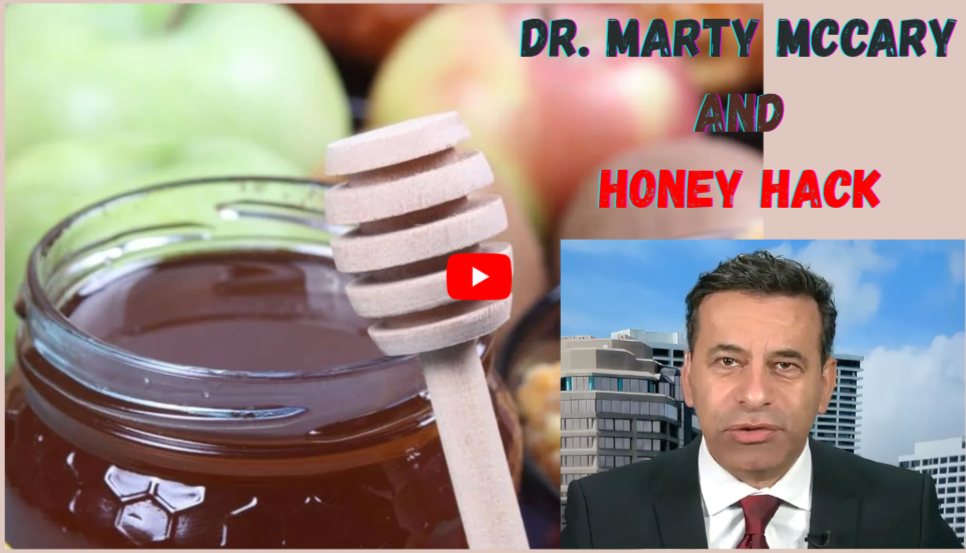

Dr. Marty McCary’s honey hack may help support brain health and memory naturally, offering a simple approach to managing dementia symptoms.
This in-depth article explores the origins of the honey hack claim, examines what real science says about honey and brain health, addresses the dangers of viral medical misinformation, and outlines evidence-based strategies for supporting cognitive health.
The goal is not to dismiss natural approaches outright, but to ensure that readers are informed, protected, and empowered with accurate knowledge.
Understanding Dementia: Why Simple “Hacks” Are Unlikely
Dementia is not a single disease. It is an umbrella term that describes a group of neurological conditions characterized by progressive cognitive decline.
These conditions include Alzheimer’s disease, vascular dementia, Lewy body dementia, frontotemporal dementia, and others.
Each has distinct underlying mechanisms, but all involve complex changes in brain structure and function.
Key biological processes involved in dementia include
- Accumulation of abnormal proteins in the brain
- Chronic inflammation
- Oxidative stress
- Reduced blood flow to brain tissue
- Loss of synaptic connections and neurons
Because dementia involves multiple overlapping biological pathways, it is highly unlikely that any single food or natural remedy could reverse the condition.
This is why modern medicine focuses on multifactorial approaches, combining lifestyle changes, medications, cognitive therapy, and supportive care.
When a claim suggests that one simple ingredient—such as honey—can act as a cure, it should immediately prompt critical evaluation.
The Rise of the “Honey Hack” Narrative
The idea that honey can dramatically improve brain health has been circulating online for several years, but recently it has gained renewed traction through sensational headlines and promotional content. These narratives often follow a similar pattern:
- A supposed doctor or researcher claims to have discovered a hidden remedy
- The remedy is described as “natural,” “ancient,” or “suppressed”
- Emotional stories are used to demonstrate dramatic recovery
- The solution is framed as being ignored by mainstream medicine
The name Dr. Marty Mccary appears in some versions of these stories, presented as an authority figure who allegedly supports or discovered the honey hack.
However, there is no verified medical professional, peer-reviewed research, or reputable institution that confirms the existence of a scientifically supported dementia treatment linked to this name.
This does not automatically mean the claim is malicious—but it does mean it lacks credibility.
Why These Claims Spread So Easily
Health misinformation spreads quickly for several reasons:
1. Emotional Appeal
Dementia affects not only patients but entire families. Stories that promise memory restoration or cognitive recovery naturally attract attention and hope.
2. Simplicity
Complex medical conditions are intimidating. A “hack” feels easier and more approachable than long-term treatment plans.
3. Distrust in Institutions
Some audiences are skeptical of pharmaceutical companies and medical systems, making “natural alternatives” seem more trustworthy.
4. Algorithm Amplification
Social media platforms reward sensational content with higher visibility, regardless of accuracy.
When these factors combine, unproven claims can spread faster than legitimate medical information.
What Does Science Actually Say About Honey?
Honey has been used for centuries as a food and traditional remedy. It contains a variety of biologically active compounds that can contribute to general health.
However, understanding its real benefits requires separating supportive properties from curative claims.
Nutritional and Biological Properties of Honey
- Natural sugars (glucose and fructose)
- Antioxidants such as flavonoids and polyphenols
- Trace vitamins and minerals
- Anti-inflammatory compounds
These components have been studied for their effects on oxidative stress and inflammation, both of which are involved in aging and neurodegeneration.
Honey and Brain Health: What Research Suggests
Some laboratory and animal studies suggest that antioxidants found in honey may help:
- Reduce oxidative damage in brain cells
- Modulate inflammatory pathways
- Support neurotransmitter balance
These findings are preliminary and largely limited to non-human models. While they indicate potential neuroprotective properties, they do not demonstrate that honey can treat, cure, or reverse dementia in humans.
No large-scale clinical trials have shown that consuming honey leads to measurable improvements in memory, cognition, or disease progression in people diagnosed with dementia.
The Critical Difference Between Support and Cure
It is essential to understand the distinction between supporting brain health and curing neurological disease.
- Supporting brain health may involve improving nutrition, reducing inflammation, and promoting overall wellness.
- Treating dementia requires addressing complex, progressive brain pathology.
Honey may be a supportive dietary component, but it is not a medical treatment.
Claims suggesting otherwise risk misleading people into believing they can replace professional care with a single dietary change.
The Risks of Believing in “Miracle Hacks”
Following unverified health advice can have serious consequences, especially for vulnerable populations.
Delayed Diagnosis and Treatment
Belief in a natural cure may cause individuals to postpone medical evaluation. Early diagnosis is crucial for managing dementia effectively and planning future care.
Financial Exploitation
Many viral health hacks are ultimately tied to expensive products, supplements, or programs. Families may spend significant amounts of money on solutions that offer no real benefit.
Emotional Harm
When promised improvements fail to materialize, patients and caregivers may experience disappointment, guilt, or loss of trust in legitimate treatments.
Undermining Medical Guidance
Repeated exposure to misinformation can erode confidence in evidence-based medicine, making it harder for healthcare providers to help patients effectively.
What Evidence-Based Dementia Care Looks Like
While there is currently no cure for most forms of dementia, there are well-established strategies that can slow progression, improve quality of life, and support cognitive function.
1. Medical Management
Approved medications may help manage symptoms such as memory loss, confusion, mood changes, and behavioral disturbances. These treatments are prescribed based on diagnosis and individual needs.
2. Nutrition and Diet
Research supports dietary patterns such as the Mediterranean and MIND diets, which emphasize:
- Vegetables and leafy greens
- Whole grains
- Healthy fats
- Lean proteins
- Limited refined sugars
Honey can be included in moderation as part of a balanced diet, but it should not be emphasized as a therapeutic intervention.
3. Physical Activity
Regular exercise improves blood flow to the brain, supports cardiovascular health, and may slow cognitive decline.
4. Cognitive Engagement
Activities that challenge the brain—reading, learning new skills, puzzles, and social interaction—help maintain cognitive reserve.
5. Sleep and Stress Management
Chronic stress and poor sleep are associated with faster cognitive decline. Addressing these factors is a key part of dementia care.
Why Misinformation Often Uses “Doctor” Figures
The use of a named doctor, such as “Dr. Marty Mccary,” gives claims an appearance of authority. This technique is common in health marketing because people naturally trust medical professionals.
However, legitimate medical claims are supported by:
- Peer-reviewed research
- Transparent credentials
- Institutional affiliations
- Replicable studies
When a claim relies solely on a name without verifiable background or published research, skepticism is warranted.
Can Natural Approaches Play Any Role?
Natural approaches are not inherently harmful when used responsibly. Many lifestyle and dietary choices support overall health and may indirectly benefit brain function.
However, natural approaches should:
- Complement medical care, not replace it
- Be supported by evidence
- Be discussed with healthcare professionals
Honey, like many foods, can be part of a healthy lifestyle—but not a stand-alone solution for dementia.
How to Evaluate Health Claims Critically
To protect yourself and your loved ones, consider the following questions when encountering viral health advice:
- Is the claim supported by scientific research
- Are specific studies or institutions cited
- Does the claim promise dramatic or guaranteed results
- Is there a product being sold as part of the message
- Are emotional stories used instead of data
If the answer raises concerns, it is best to seek guidance from qualified healthcare providers.
Supporting Loved Ones with Dementia: A Practical Perspective
For caregivers and families, the focus should remain on compassionate, evidence-based support.
Practical steps include:
- Scheduling regular medical evaluations
- Creating structured daily routines
- Encouraging social interaction
- Ensuring proper nutrition and hydration
- Seeking caregiver support and education
Hope should be grounded in realistic expectations and informed decisions.
Final Thoughts
The idea of Dr. Marty Mccary and the honey hack for dementia reflects a broader issue in modern health culture—the desire for quick solutions to complex problems.
While honey is a nutritious and beneficial food, there is no scientific evidence that it can cure or reverse dementia.
True progress in dementia care comes from ongoing research, personalized medical treatment, and supportive lifestyle strategies. Misinformation, even when well-intentioned, can distract from these efforts and cause harm.
By approaching health claims with curiosity, critical thinking, and respect for science, individuals and families can make informed decisions that truly support long-term brain health.
