Swelling in the ankles can be uncomfortable, frustrating, and sometimes alarming. If you’ve noticed puffiness around your feet and lower legs, you may be experiencing edema.
When excess fluid builds up in tissues, it causes visible swelling — often in the ankles due to gravity.
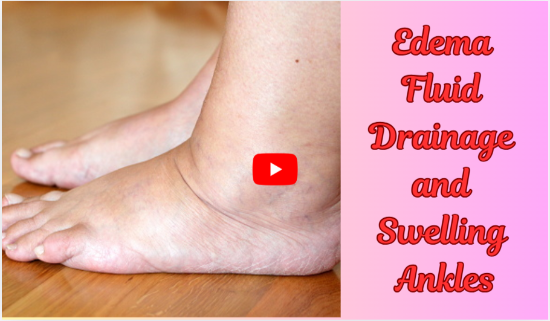

Edema fluid drainage reduces swelling in ankles by improving circulation, supporting lymphatic flow, and managing fluid retention safely.
Understanding edema fluid drainage and swelling ankles is essential because ankle swelling can be both a harmless temporary condition and a warning sign of a serious health issue.
In this comprehensive guide, we’ll explore causes, symptoms, medical treatments, natural strategies, and when to seek urgent care.
What Is Edema?
Edema refers to the accumulation of excess fluid in the body’s tissues. It most commonly affects the lower extremities — particularly the ankles and feet — but it can also occur in the hands, abdomen, or face.
Fluid normally moves between blood vessels and surrounding tissues. This process is regulated by:
-
Blood vessel pressure
-
Protein levels in the blood
-
Lymphatic drainage
-
Kidney function
When this balance is disrupted, fluid builds up — leading to swelling.
Ankle edema is especially common because gravity pulls excess fluid downward, particularly when sitting or standing for long periods.
Why Do Ankles Swell?
Swelling of the ankles occurs when fluid accumulates in the interstitial spaces of tissues. Several mechanisms can contribute to this:
1. Increased Capillary Pressure
Conditions like heart disease can increase pressure in blood vessels, pushing fluid outward.
2. Reduced Plasma Proteins
Low albumin levels (often from liver or kidney disease) reduce the blood’s ability to retain fluid.
3. Lymphatic Obstruction
The lymphatic system helps drain excess fluid. When blocked, swelling develops.
4. Hormonal Influences
Hormonal changes during pregnancy or menstruation can cause temporary water retention.
The root cause of ankle swelling determines the correct approach to edema fluid drainage.
Common Causes of Edema Fluid Drainage and Swelling Ankles
Let’s explore the most common triggers:
1. Prolonged Standing or Sitting
Remaining in one position for extended periods allows fluid to pool in the lower legs.
2. Pregnancy
Pregnancy increases blood volume and pressure on pelvic veins, slowing circulation.
3. High Sodium Intake
Salt causes the body to retain water, increasing swelling.
4. Heart Conditions
Congestive heart failure reduces the heart’s ability to pump effectively, leading to fluid buildup in legs and lungs.
5. Kidney Disease
When kidneys cannot properly eliminate excess fluid, swelling develops.
6. Liver Disease
Cirrhosis reduces protein production and alters fluid balance.
7. Lymphedema
Lymphedema occurs when lymphatic vessels are damaged or blocked, impairing fluid drainage.
8. Blood Clots
Deep vein thrombosis can block circulation in the legs and cause sudden swelling.
9. Medications
Certain drugs — including steroids, calcium channel blockers, and NSAIDs — may cause fluid retention.
Identifying the underlying cause is the first step toward effective treatment.
Symptoms Associated With Swelling Ankles
Swollen ankles may be accompanied by:
-
Puffiness around feet and lower legs
-
Shiny or stretched skin
-
Pitting (indentation remains after pressing the skin)
-
Tight shoes
-
Heaviness or discomfort
Sudden, painful swelling in one leg should never be ignored. It may signal a serious condition like deep vein thrombosis.
How Edema Fluid Drainage Works
Fluid drainage depends on:
-
Circulatory system
-
Lymphatic system
-
Kidney filtration
The lymphatic system plays a crucial role in transporting excess fluid back into circulation.
When lymph flow is impaired, fluid stagnates in tissues.
Supporting lymphatic drainage is key to reducing chronic swelling.
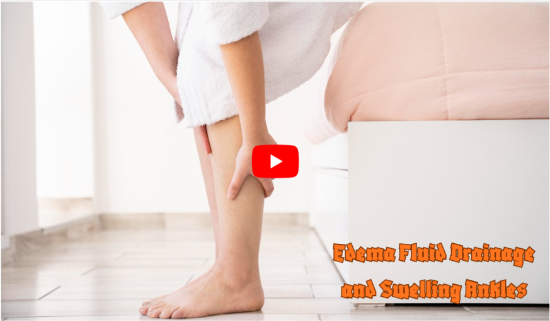
Medical Treatments for Edema Fluid Drainage and Swelling Ankles
Treatment depends on the cause.
1. Diuretics
Doctors may prescribe water pills to remove excess fluid.
2. Compression Therapy
Compression stockings improve venous return and prevent fluid pooling.
3. Treating Underlying Conditions
Managing heart, liver, or kidney disease often reduces edema.
4. Anticoagulants
Used if a blood clot is detected.
Medical supervision is crucial if swelling is persistent or worsening.
Natural Ways to Improve Edema Fluid Drainage
For mild, non-dangerous cases, natural strategies can help.
1. Elevate Your Legs
Raise legs above heart level for 15–30 minutes several times daily.
2. Stay Active
Walking activates calf muscles, helping pump blood upward.
3. Reduce Sodium Intake
Limit processed foods and added salt.
4. Hydrate Properly
Dehydration can worsen fluid retention paradoxically.
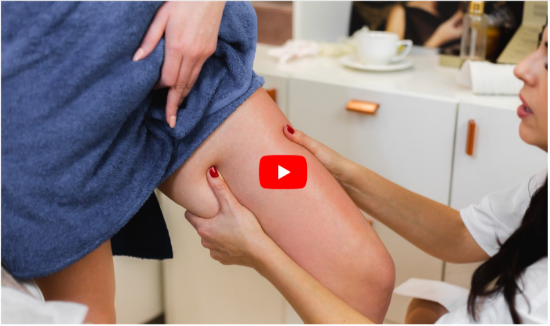
5. Gentle Massage
Manual lymphatic drainage techniques stimulate fluid movement.
6. Herbal Support
Certain herbs like dandelion may support natural diuresis (consult a healthcare provider first).
7. Maintain Healthy Weight
Excess weight increases pressure on leg veins.
Consistency in lifestyle adjustments makes a significant difference in long-term swelling control.
The Role of the Lymphatic System in Swelling Ankles
The lymphatic system collects excess interstitial fluid and returns it to circulation.
When functioning properly, it prevents fluid buildup.
However, in conditions like lymphedema:
-
Lymph vessels are damaged
-
Fluid accumulates chronically
-
Swelling becomes persistent
Unlike temporary edema, lymphedema often requires specialized therapy.
When to Seek Immediate Medical Attention
Seek urgent care if you experience:
-
Sudden swelling in one leg
-
Shortness of breath
-
Chest pain
-
Severe pain in calf
-
Red or warm skin
These symptoms may indicate:
-
Blood clot
-
Heart failure
-
Infection
Delaying treatment in these cases can be life-threatening.
Swelling Ankles During Pregnancy
Pregnancy-related edema is common, especially in the third trimester.
Causes include:
-
Increased blood volume
-
Hormonal shifts
-
Pressure from the uterus
Relief strategies:
-
Side sleeping
-
Compression stockings
-
Hydration
-
Avoiding long standing
Sudden swelling with headaches or vision changes requires immediate evaluation for preeclampsia.
Dietary Strategies for Fluid Balance
Nutrition plays a key role in edema control.
Potassium-Rich Foods
Potassium helps balance sodium levels.
Examples:
-
Bananas
-
Spinach
-
Sweet potatoes
Magnesium
Supports vascular relaxation.
Protein Intake
Adequate protein maintains blood osmotic pressure.
Balanced nutrition supports natural edema fluid drainage mechanisms.
Chronic vs. Acute Edema
Acute Edema
-
Sudden onset
-
Often injury or clot-related
-
Requires urgent evaluation
Chronic Edema
-
Gradual onset
-
Often related to heart, kidney, or liver conditions
-
Requires long-term management
Understanding duration helps determine urgency.
Exercises to Reduce Swelling Ankles
Simple movements improve circulation:
-
Ankle rotations
-
Calf raises
-
Toe flexing
-
Walking
Muscle contractions act as natural pumps that push fluid upward.
The Connection Between Heart Health and Ankle Swelling
In heart conditions like congestive heart failure, blood backs up into veins.
Fluid leaks into tissues.
Ankle swelling may be one of the earliest visible signs of heart dysfunction.
Monitoring swelling patterns can help detect worsening heart disease.
The Impact of Kidney Function
Kidneys regulate fluid balance by filtering blood.
When compromised:
-
Fluid accumulates
-
Sodium retention increases
-
Swelling develops
Routine blood tests can assess kidney performance.
Can Dehydration Cause Swelling?
Yes. When dehydrated, the body may retain sodium and water.
Proper hydration supports kidney function and lymphatic drainage.
Compression Stockings: How They Help
Compression applies graduated pressure.
Benefits:
-
Improves venous return
-
Reduces pooling
-
Prevents worsening edema
Proper fitting is essential.
Lifestyle Changes That Prevent Recurrence
-
Regular exercise
-
Limiting alcohol
-
Reducing processed foods
-
Maintaining healthy weight
-
Avoiding prolonged immobility
Preventive strategies are more effective than reactive treatment.
Frequently Asked Questions
Is ankle swelling always serious?
Not always. Temporary swelling from standing is common.
However, persistent or painful swelling requires evaluation.
Can massage help edema fluid drainage?
Yes, especially lymphatic massage performed correctly.
Are diuretics safe long-term?
Only under medical supervision.
Final Thoughts
Edema fluid drainage and swelling ankles can range from mild inconvenience to a serious medical warning sign.
Persistent swelling should never be ignored, especially when accompanied by pain, shortness of breath, or sudden onset.
By understanding the causes, improving circulation, supporting lymphatic drainage, and seeking medical care when necessary, you can effectively manage and reduce ankle swelling.
If symptoms persist, consult a healthcare professional for proper diagnosis and personalized treatment.
References Link
- Edema
https://www.mayoclinic.org/diseases-conditions/edema/symptoms-causes/syc-20366493
- What Causes Swollen Ankles and Feet?
https://www.webmd.com/a-to-z-guides/swollen-ankles-and-feet?print=true
- Swollen Feet, Ankles, and Legs
https://www.healthline.com/health/swollen-ankle-and-leg
.
