The idea of using honey in the eyes to improve eyesight has circulated for centuries, rooted deeply in traditional medicine systems such as Ayurveda, Unani, and ancient Egyptian healing practices.
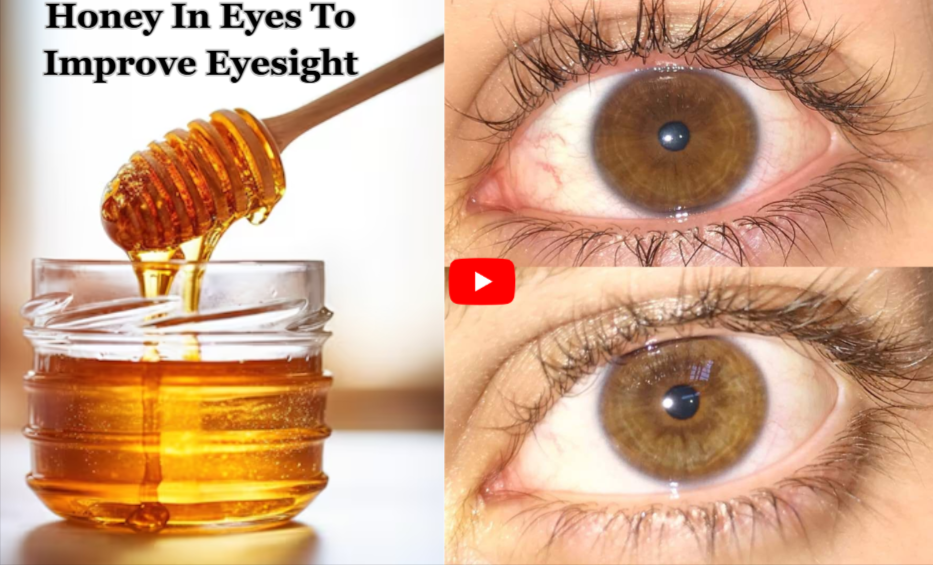

Across cultures, honey has been praised for its antibacterial, anti-inflammatory, and healing properties. Because of this reputation, many people believe that applying honey directly to the eyes can sharpen vision, treat infections, or even reverse conditions like cataracts.
Putting honey in the eyes is a traditional remedy believed to soothe irritation, but there’s no scientific proof that it improves eyesight, and it may be unsafe.
However, modern eye care specialists consistently warn against placing unsterilized substances into the eyes. The eyes are among the most delicate organs in the human body, and even natural substances can cause serious harm if misused.
What Does “Honey in Eyes” Mean?
The practice typically involves placing raw or diluted honey directly into the eyes, often before sleep. Some variations include:
-
Applying a drop of raw honey in each eye
-
Mixing honey with water or rose water before application
-
Using honey-based eye washes
-
Consuming honey while also applying it topically
While honey is edible and generally safe for skin use, the eye environment is entirely different and far more sensitive.
Historical Use of Honey in Eye Care
Ancient Civilizations
Honey has been referenced in medical texts dating back thousands of years:
-
Ancient Egypt: Used honey-based eye ointments for infections
-
Ayurveda: Describes honey (Madhu) as having cleansing properties
-
Greek Medicine: Hippocrates used honey for wound healing
-
Islamic Medicine: Honey was considered a natural healer
These historical uses were developed long before the invention of sterile techniques or modern understanding of bacteria and eye anatomy.
Why People Believe Honey Improves Eyesight
Several perceived benefits fuel the belief that honey helps eyesight:
-
Honey has antibacterial properties
-
It soothes inflammation
-
It reduces dryness
-
It’s natural and widely available
-
Traditional testimonials claim improved vision
Personal anecdotes often sound convincing but are not the same as scientific proof.
Proposed Benefits of Honey in Eyes
1. Antibacterial Action
Honey contains hydrogen peroxide and natural enzymes that inhibit bacterial growth. This makes it useful in wound care.
However, antibacterial does not mean sterile, and the eye requires absolute sterility.
2. Anti-Inflammatory Properties
Honey may reduce redness and swelling when applied externally.
Inflammation relief does not equal vision improvement.
3. Lubrication for Dry Eyes
Some users report temporary relief from dryness.
This effect is short-lived and may worsen symptoms over time.
4. Traditional Claims of Vision Improvement
Claims include:
-
Sharper eyesight
-
Removal of eye “cloudiness”
-
Cataract reversal
No clinical trials support these claims.
What Science Actually Says
Is There Scientific Evidence?
There is no reliable scientific evidence proving that honey improves eyesight when placed in the eyes.
Medical research confirms:
-
Vision loss is caused by refractive errors, nerve damage, or disease
-
Honey cannot alter eye structure
-
Cataracts cannot be reversed without surgery
Improving eyesight requires correcting the underlying cause—not topical remedies.
Medical Honey vs Raw Honey
Some studies examine medical-grade Manuka honey in controlled lab settings for surface eye infections.
Important distinction:
| Medical-Grade Honey | Raw Honey |
|---|---|
| Sterilized | Contains bacteria |
| Controlled dosage | Uncontrolled |
| Used under supervision | Used at home |
Medical-grade honey is not the same as household honey.
Risks of Putting Honey in Eyes
1. Eye Infections
Raw honey can contain:
-
Bacteria
-
Fungal spores
-
Contaminants
These can cause severe eye infections.
2. Allergic Reactions
Honey contains pollen and enzymes that may trigger:
-
Redness
-
Swelling
-
Burning sensation
Allergic reactions in the eye can become medical emergencies.
3. Corneal Damage
Sticky substances can:
-
Trap bacteria
-
Scratch the cornea
-
Delay healing
Corneal damage can lead to permanent vision loss.
4. Increased Dryness Over Time
Though honey feels moisturizing initially, it can disrupt the tear film.
Long-term use may worsen dry eye symptoms.
5. Risk of Blindness
Untreated infections or corneal ulcers can lead to blindness.
No home remedy is worth risking permanent vision damage.
Safe Alternatives to Improve Eyesight Naturally
1. Nutrition for Eye Health
Important nutrients include:
-
Vitamin A
-
Lutein
-
Zeaxanthin
-
Omega-3 fatty acids
Foods:
-
Carrots
-
Spinach
-
Eggs
-
Fatty fish
Good nutrition supports eye health, not instant vision correction.
2. Proper Eye Hygiene
-
Wash hands before touching eyes
-
Avoid sharing eye makeup
-
Replace contact lenses regularly
3. Regular Eye Exams
Early detection prevents vision loss.
Routine checkups save sight.
4. Blue Light Protection
-
Use screen filters
-
Follow the 20-20-20 rule
5. Doctor-Prescribed Treatments
Only licensed professionals can safely treat eye conditions.
Why Eyes Are Extremely Sensitive to Home Remedies
The eyes have a highly specialized surface designed to remain clean, moist, and protected by a precise balance of tears and enzymes.
Even slight contamination can disrupt this balance. Unlike skin, the eye lacks a strong barrier against bacteria and chemicals.
Applying unverified substances such as honey can interfere with the tear film, irritate the cornea, and increase the risk of infection.
This is why ophthalmologists strongly recommend using only sterile, medically approved eye products.
Why Vision Cannot Improve Instantly With Drops or Remedies
Vision problems usually stem from structural or neurological issues rather than surface irritation. Conditions such as myopia, hyperopia, astigmatism, and cataracts involve changes in the eye’s lens, cornea, or optic nerve.
No topical substance can reshape the eye or restore damaged nerves. True eyesight improvement requires corrective lenses, medical treatment, or surgery depending on the condition.
Signs You Should Never Ignore After Using Home Eye Remedies
If someone has already tried honey or similar substances in their eyes, certain symptoms require immediate medical attention:
-
Persistent burning or stinging
-
Redness that worsens over time
-
Blurred or reduced vision
-
Eye discharge or pus
-
Sensitivity to light
-
Swelling of eyelids
Ignoring these warning signs can lead to long-term vision damage.
Difference Between Eye Comfort and Eyesight Improvement
Many people confuse temporary comfort with actual vision enhancement. Soothing sensations do not equal better eyesight.
| Factor | Eye Comfort | Eyesight Improvement |
|---|---|---|
| Duration | Temporary | Long-term |
| Affects vision clarity | No | Yes |
| Treats root cause | No | Yes |
| Requires medical care | Optional | Essential |
Comfort does not mean correction, and relief does not equal recovery.
Safer Ways to Maintain Healthy Eyes Daily
Instead of risky home remedies, consistent eye care habits offer real benefits:
-
Eat foods rich in vitamin A, lutein, and omega-3
-
Stay hydrated to support tear production
-
Take regular breaks from screens
-
Wear UV-protective sunglasses outdoors
-
Avoid rubbing eyes with unwashed hands
Small daily habits can protect vision far better than unproven treatments.
What Eye Doctors Say
Ophthalmologists worldwide agree:
-
Honey should never be placed directly in eyes
-
Home remedies are not substitutes for medical care
-
Vision improvement requires targeted treatment
Expert consensus strongly discourages this practice.
Why This Trend Persists Online
Social media and viral posts often:
-
Oversimplify health advice
-
Promote “miracle cures”
-
Ignore risks
Misinformation spreads faster than medical facts.
Final Verdict
