Chronic Obstructive Pulmonary Disease (COPD) is a long-term respiratory condition that affects millions of people worldwide. It includes progressive lung diseases such as Chronic Obstructive Pulmonary Disease, Emphysema, and Chronic bronchitis.
People living with COPD often experience persistent cough, mucus production, wheezing, chest tightness, and shortness of breath.


Honey may soothe a cough, reduce throat irritation, and support lung comfort in COPD when used alongside proper medical treatment.
As individuals search for supportive home remedies, one natural ingredient consistently stands out: honey. The phrase “Honey Trick for COPD” has gained attention among those looking for gentle, natural ways to ease respiratory discomfort.
While honey is not a cure for COPD, it may provide supportive relief for certain symptoms when used responsibly alongside medical treatment.
In this comprehensive guide, we’ll explore:
-
What COPD is and how it affects breathing
-
Why honey is considered beneficial for respiratory health
-
The science behind honey’s effects
-
Practical ways to use honey safely
-
Precautions and safety guidelines
-
When to seek medical attention
Let’s dive deeper.
Understanding COPD: Why Breathing Becomes Difficult
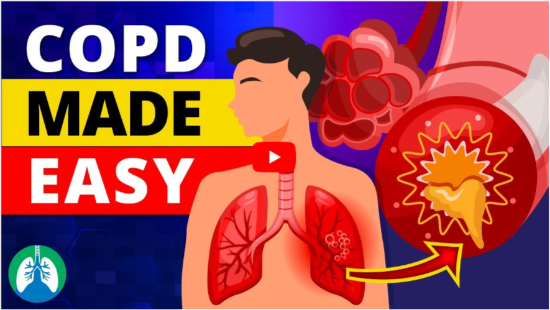
COPD is a progressive inflammatory lung condition that restricts airflow. The disease develops slowly over years and is commonly caused by long-term exposure to irritants such as cigarette smoke, air pollution, chemical fumes, and occupational dust.
What Happens in the Lungs?
In COPD:
-
Airways become inflamed and narrowed
-
The lining produces excess mucus
-
Air sacs lose elasticity
-
Air gets trapped in the lungs
This makes it difficult to fully exhale, leading to breathlessness.
COPD cannot be reversed, but proper management can significantly improve the quality of life.
Why People Are Searching for a “Honey Trick for COPD”
COPD symptoms fluctuate. Many patients experience:
-
Dry or productive cough
-
Irritated throat from frequent coughing
-
Thick mucus
-
Sleep disturbance
-
Chest discomfort
Because honey has long been used in traditional medicine for cough and throat irritation, many people wonder whether it may help ease some COPD-related discomfort.
Natural remedies are most helpful when used as complementary support—not as replacements for prescribed inhalers, bronchodilators, or oxygen therapy.
The Science Behind Honey and Respiratory Health
Honey has been used for centuries in traditional systems like Ayurveda and Traditional Chinese Medicine for treating cough and respiratory issues.
Modern research has identified several properties in honey that may explain its soothing effects.
1. Anti-Inflammatory Properties
COPD involves chronic airway inflammation. Honey contains flavonoids and phenolic compounds that exhibit anti-inflammatory effects.
Reducing inflammation in the throat and upper airway may help calm irritation triggered by persistent coughing.
2. Antioxidant Support
Oxidative stress plays a key role in COPD progression. Honey is rich in antioxidants such as:
-
Flavonoids
-
Phenolic acids
-
Vitamin C (in small amounts)
Antioxidants help combat free radicals that damage lung tissue.
Although honey cannot reverse lung damage, its antioxidant content may support overall respiratory wellness.
3. Natural Cough Suppressant
Research has shown honey to be effective in reducing cough frequency, especially nighttime cough.
It works by:
-
Coating the throat
-
Reducing irritation
-
Soothing nerve endings
-
Promoting better sleep
For COPD patients, nighttime coughing can significantly affect rest.
Better sleep contributes to improved immune function and overall energy levels.
4. Mild Antimicrobial Effects
Honey has natural antimicrobial properties due to:
-
Hydrogen peroxide production
-
Low pH
-
High sugar concentration
These characteristics help inhibit bacterial growth.
This may be helpful during minor respiratory infections that can worsen COPD symptoms.
However, honey should never replace antibiotics when a bacterial infection is diagnosed.
The Honey Trick for COPD: How to Use It Safely
Let’s discuss practical, supportive methods people use.
1. Honey with Warm Water
Simple Soothing Drink
-
1 tablespoon raw honey
-
1 cup warm (not boiling) water
-
Drink once or twice daily
Warm liquids can help loosen mucus, and honey coats the throat.
2. Honey with Ginger
Ginger has natural anti-inflammatory properties.
-
1 tablespoon honey
-
½ teaspoon fresh ginger juice
-
Take once daily
This combination may help reduce throat irritation and mild cough intensity.
3. Honey and Turmeric
Turmeric contains curcumin, known for its anti-inflammatory properties.
-
1 cup warm milk or water
-
1 teaspoon honey
-
¼ teaspoon turmeric
This mixture may support immune health and respiratory comfort.
4. Honey Before Bed
Taking 1 teaspoon of honey before bedtime may:
-
Reduce nighttime cough
-
Soothe dry throat
-
Promote better sleep
Consistent sleep plays a major role in COPD symptom management.
What Honey Cannot Do for COPD
It is important to set realistic expectations.
Honey cannot:
-
Reverse lung damage
-
Replace inhalers or bronchodilators
-
Substitute oxygen therapy
-
Prevent COPD progression
COPD management requires medical supervision and long-term treatment planning.
Evidence from Research
Several clinical studies have demonstrated honey’s effectiveness in reducing cough severity, especially in upper respiratory infections.
While specific large-scale trials on honey and COPD are limited, its cough-suppressing and soothing properties are well documented.
Using honey as supportive care may help improve comfort but should not delay proper medical evaluation.
Lifestyle Strategies That Work Alongside the Honey Trick
To truly support lung health, honey should be part of a broader plan.
1. Quit Smoking
Smoking is the primary cause of COPD progression.
Stopping smoking is the single most powerful action a person with COPD can take.
2. Pulmonary Rehabilitation
Programs designed to strengthen breathing muscles and improve endurance can dramatically enhance quality of life.
3. Balanced Nutrition
A diet rich in:
-
Fruits
-
Vegetables
-
Lean proteins
-
Healthy fats
Supports immune health and energy levels.
4. Proper Hydration
Staying hydrated helps thin mucus, making it easier to clear from the airways.
5. Vaccinations
Respiratory infections can worsen COPD symptoms.
Vaccines such as:
-
Influenza vaccine
-
Pneumococcal vaccine
Help reduce the risk of serious complications.

Who Should Avoid or Use Caution with Honey?
Honey is generally safe for adults, but certain individuals should exercise caution:
-
People with diabetes (due to sugar content)
-
Those with pollen allergies
-
Individuals on calorie-restricted diets
Honey should never be given to infants under one year of age due to the risk of botulism.
When to Seek Immediate Medical Attention
COPD flare-ups (exacerbations) can become serious.
Seek urgent care if experiencing:
-
Severe shortness of breath
-
Bluish lips or fingernails
-
High fever
-
Confusion
-
Chest pain
Natural remedies should never delay emergency treatment.
Choosing the Right Type of Honey
Raw, unprocessed honey typically retains more beneficial compounds than heavily processed varieties.
Look for:
-
Raw honey
-
Organic honey
-
Darker varieties (often richer in antioxidants)
Manuka honey is sometimes highlighted for its antimicrobial strength, though it may be more expensive.
Frequently Asked Questions
Is honey safe for daily use in COPD?
In moderate amounts, yes. However, individuals with diabetes should monitor blood sugar.
How long does it take to see benefits?
Honey typically provides immediate throat soothing effects, though it does not alter the course of COPD.
Can honey replace my inhaler?
No.
Prescribed medications are essential for controlling airway inflammation and preventing exacerbations.
Final Thoughts: Is the Honey Trick Worth Trying?
The idea of a “Honey Trick for COPD” reflects a desire for natural comfort and symptom relief.
Honey offers:
-
Soothing effects on the throat
-
Mild cough suppression
-
Antioxidant support
-
Potential immune benefits
When used responsibly alongside medical treatment, honey may provide gentle, complementary relief for certain COPD symptoms.
However:
It is not a cure, not a replacement for medication, and not a substitute for professional medical care.
If you are living with COPD, consult your healthcare provider before adding any new remedy—even natural ones.
Small supportive habits, combined with medical treatment, lifestyle adjustments, and consistent monitoring, can make a meaningful difference in breathing comfort and quality of life.
