Prostate health is a growing concern for men as they age, particularly with the increasing prevalence of prostate enlargement, inflammation, and cellular changes.
While nutrients like zinc, selenium, and vitamin D often dominate discussions, iodine for prostate health is an emerging topic gaining scientific interest. This essential trace mineral plays a far broader role in male wellness than most people realize.
Iodine is not only vital for thyroid function but also contributes to cellular regulation, antioxidant activity, and hormonal balance throughout the body.
Iodine for prostate health may support hormone balance, cellular protection, and normal prostate function when used in proper, safe amounts.
Recent research suggests that prostate tissue may concentrate iodine and respond to its biological effects in meaningful ways.
🔥Iodine for Prostate Health | Powerful Benefits for Prostate Wellness🔥

Understanding the Prostate and Its Nutritional Needs
The prostate is a walnut-sized gland located below the bladder, responsible for producing seminal fluid. As men age, the prostate often becomes more sensitive to hormonal changes, oxidative stress, and inflammation.
Nutritional deficiencies can accelerate prostate tissue stress and disrupt normal cellular signaling. Essential micronutrients help maintain healthy prostate size, function, and cellular integrity.
Key nutritional needs of the prostate include:
-
Antioxidant protection
-
Balanced hormone signaling
-
Efficient cellular turnover
-
Adequate blood circulation
Iodine for prostate health may support several of these foundational processes.
What Is Iodine and Why Is It Essential?
Iodine is a trace mineral required for the production of thyroid hormones, which regulate metabolism, growth, and cellular repair. However, iodine’s role extends far beyond the thyroid.
Many tissues outside the thyroid, including the prostate, contain iodine transport mechanisms. This suggests iodine plays a functional role in non-thyroid tissues.
Biological functions of iodine include:
-
Supporting cellular differentiation
-
Protecting tissues from oxidative damage
-
Assisting immune response regulation
-
Contributing to normal hormonal signaling
The Relationship Between Iodine and Prostate Tissue
Scientific studies have identified iodine uptake in prostate cells, similar to breast and gastric tissues.
Prostate cells appear to use iodine for cellular regulation and protective signaling. This has led researchers to examine iodine’s potential role in maintaining normal prostate structure and function.
Key observations include:
-
Iodine supports apoptosis (normal programmed cell turnover)
-
It helps regulate oxidative stress in prostate tissue
-
It may influence androgen-related cellular activity
These findings highlight why iodine for prostate health is receiving increased attention in nutritional research.
Hormonal Balance and Prostate Health
Hormonal balance plays a central role in prostate function. Testosterone and its metabolite dihydrotestosterone (DHT) influence prostate growth and cellular activity.
Iodine indirectly supports hormonal balance by optimizing thyroid hormone activity. Healthy thyroid function helps regulate metabolism and hormone conversion throughout the body.
When iodine levels are inadequate:
-
Hormone regulation may become inefficient
-
Cellular metabolism may slow
-
Prostate tissue may become more vulnerable to imbalance
Maintaining adequate iodine levels may therefore help support overall endocrine stability, benefiting prostate health indirectly.
Antioxidant and Cellular Protection Benefits
Oxidative stress is a major contributor to prostate aging and cellular damage. Free radicals can disrupt DNA integrity and normal cell signaling.
Iodine exhibits antioxidant properties that help neutralize oxidative stress at the cellular level. This protective effect is particularly important in tissues with high metabolic activity, such as the prostate.
Potential antioxidant benefits include:
-
Reduced lipid peroxidation
-
Protection of cellular membranes
-
Support for healthy cell turnover
These effects contribute to the broader conversation around iodine for prostate health and cellular longevity.
👉 Iodine for Prostate Health | Natural Benefits & Prostate Care 👈
Inflammation and Prostate Comfort
Chronic low-grade inflammation is commonly associated with prostate discomfort and urinary symptoms.
Iodine may help regulate inflammatory signaling pathways within tissues. While it is not an anti-inflammatory drug, adequate iodine intake supports immune balance and tissue resilience.
Balanced iodine levels may help:
-
Maintain normal inflammatory responses
-
Support tissue repair mechanisms
-
Promote long-term prostate comfort
Iodine Deficiency and Modern Diets
Iodine deficiency is more common than many people realize, especially in regions where iodized salt use has declined.
Processed foods often lack iodine, and many individuals avoid iodized salt altogether. This can lead to suboptimal iodine intake over time.
Common risk factors for iodine deficiency include:
-
Low seafood consumption
-
Use of non-iodized specialty salts
-
Limited dairy intake
-
Poor overall dietary diversity
For men concerned about iodine for prostate health, assessing iodine intake is an important first step.
Natural Dietary Sources of Iodine
Obtaining iodine from whole foods is often the safest and most balanced approach.
Natural iodine-rich foods provide supportive nutrients that enhance absorption and utilization.
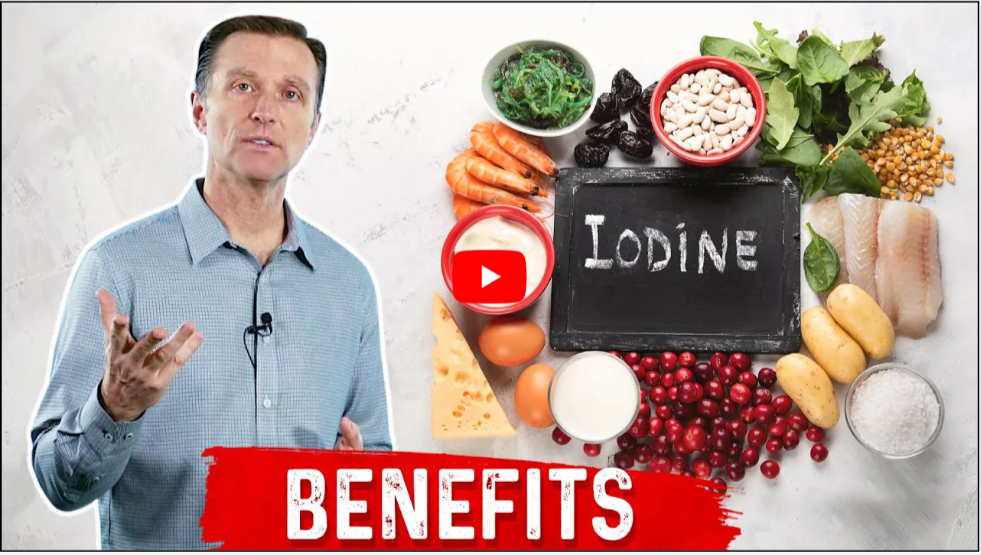
Top dietary sources include:
-
Seaweed (kelp, nori, wakame)
-
Wild-caught fish
-
Shellfish
-
Dairy products
-
Eggs
-
Iodized salt (in moderation)
Consistency matters more than high doses when supporting prostate health through nutrition.
Iodine Supplementation: Benefits and Cautions
Supplementation may be useful for individuals with confirmed low intake, but it must be approached carefully.
Excess iodine can disrupt thyroid function and create hormonal imbalances. More is not always better.
General supplementation guidelines:
-
Typical intake ranges from 150–300 mcg daily
-
Avoid megadoses unless supervised
-
Monitor thyroid function when supplementing
When used responsibly, iodine for prostate health may complement a balanced nutritional strategy.
Iodine vs. Other Prostate Nutrients
Iodine works best as part of a broader nutrient ecosystem.
Prostate health depends on nutrient synergy rather than single compounds.
Key complementary nutrients include:
-
Zinc for cellular integrity
-
Selenium for antioxidant defense
-
Vitamin D for immune regulation
-
Omega-3 fatty acids for inflammation balance
Iodine supports foundational cellular processes that allow these nutrients to work more efficiently.
Practical Use of Iodine for Prostate Support
This table explains how iodine fits into daily routines, helping readers apply information safely and effectively.
| Category | Details | Practical Guidance |
|---|---|---|
| Daily Intake Timing | Can be consumed with meals | Improves absorption and reduces stomach discomfort |
| Food vs Supplements | Foods provide regulated iodine levels | Choose supplements only if dietary intake is low |
| Short-Term Use | Helps correct mild insufficiency | Avoid high doses without medical advice |
| Long-Term Use | Best through balanced diet | Reduces risk of excess accumulation |
| Age Considerations | Needs may change with age | Older adults should monitor thyroid health |
| Thyroid Interaction | Directly affects thyroid hormones | Stable thyroid function supports prostate balance |
| Nutrient Pairing | Works with selenium and zinc | Prevents oxidative stress and imbalance |
| Hydration Role | Supports nutrient transport | Adequate water intake improves utilization |
| Monitoring Signs | Watch for energy or metabolic changes | Stop supplementation if adverse effects appear |
| Safety Margin | Narrow compared to other minerals | Stay close to recommended intake |
Who May Benefit Most from Iodine for Prostate Health?
Men who may benefit from optimized iodine intake include:
-
Those over age 40
-
Individuals with limited seafood intake
-
Men experiencing frequent fatigue or metabolic slowdown
-
Those seeking preventive prostate support
Proactive nutritional strategies are most effective before significant symptoms develop.
Safety Considerations and Medical Guidance
Iodine supplementation is not appropriate for everyone.
Men with thyroid disorders or autoimmune conditions should consult a healthcare professional before increasing iodine intake.
Always prioritize:
-
Lab testing when possible
-
Gradual dietary adjustments
-
Professional medical guidance
Lifestyle Factors That Enhance Iodine Benefits
Nutrition works best when combined with supportive lifestyle habits.
Healthy circulation, stress management, and physical activity enhance nutrient delivery to prostate tissue.
Helpful habits include:
-
Regular exercise
-
Adequate hydration
-
Reduced exposure to environmental toxins
-
Balanced sleep patterns
The Future of Research on Iodine and Prostate Health
Emerging research continues to explore iodine’s role beyond thyroid health.
Scientists are increasingly interested in iodine’s impact on tissue-specific cellular regulation. Future studies may further clarify optimal intake levels for prostate support.
Final Thoughts
Iodine for prostate health represents a promising yet often overlooked aspect of male wellness.
While not a cure or standalone solution, iodine plays a supportive role in hormonal balance, antioxidant protection, and cellular health.
When used responsibly and as part of a balanced lifestyle, iodine may contribute to long-term prostate wellness and overall vitality. Understanding its role empowers men to make informed, proactive health choices.
- Prostate Problems
