The Japanese Matcha Salt Trick is quickly becoming one of the most talked-about natural wellness habits online.
From energy seekers and intermittent fasters to fitness enthusiasts and holistic health advocates, many people are experimenting with this simple ritual: combining high-quality Japanese matcha with a small pinch of mineral salt in warm water.
But is this simply another health trend — or is there something deeper rooted in traditional Japanese practices and modern nutritional science?
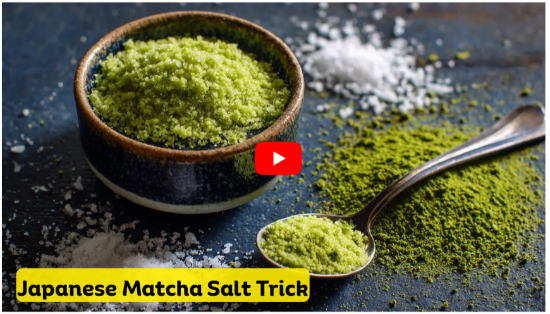

The Japanese Matcha Salt Trick blends ceremonial matcha with a pinch of mineral salt to enhance hydration, boost metabolism, and support steady energy naturally.
In this in-depth guide, we’ll explore the origins, science, benefits, risks, and practical applications of the Japanese Matcha Salt Trick. You’ll learn how it works, why it may support metabolism and hydration, and how to use it safely.
What Is the Japanese Matcha Salt Trick?
The Japanese Matcha Salt Trick involves:
-
1 cup warm (not boiling) water
-
½ to 1 teaspoon ceremonial-grade matcha
-
A small pinch of mineral-rich salt (such as Himalayan or sea salt)
The drink is consumed first thing in the morning or before workouts.
The core idea is simple: matcha provides sustained caffeine and antioxidants, while salt supplies trace minerals and supports hydration balance.
Unlike coffee, which may cause jittery spikes, matcha contains L-theanine — an amino acid that promotes calm alertness.
The Cultural Origins of Matcha
Matcha has deep roots in Japan, especially within the centuries-old tea traditions associated with Zen Buddhist monks.
The formal tea ceremony, known as chanoyu, was refined during Japan’s Muromachi period and influenced by masters such as Sen no Rikyū. These ceremonies emphasized mindfulness, simplicity, and presence.
Historically, monks used powdered green tea to sustain long meditation sessions because it enhanced concentration without overstimulation.
This connection between calm focus and sustained energy remains one of matcha’s defining characteristics today.
What Makes Matcha Different from Regular Green Tea?
Unlike traditional steeped green tea, matcha uses the entire tea leaf ground into a fine powder. That means you consume:
-
Higher antioxidant levels
-
More caffeine
-
More L-theanine
-
More chlorophyll
Matcha comes from the plant Camellia sinensis, but the leaves are shade-grown before harvest. This process increases amino acids and deepens the green color.
Because you ingest the whole leaf, matcha delivers a more concentrated nutritional profile than brewed tea.
Why Add Salt?
Adding a pinch of salt may seem unusual, but it has physiological logic.
1. Supports Electrolyte Balance
Sodium is a critical electrolyte that helps regulate:
-
Fluid balance
-
Nerve signaling
-
Muscle contraction
When consumed in small amounts, salt can enhance hydration — especially in the morning when cortisol levels are naturally higher.
2. May Reduce Caffeine Crash
Some proponents claim salt can help buffer the stimulating effect of caffeine, reducing jitteriness.
3. Supports Adrenal Function
Sodium plays a role in adrenal hormone balance. For people who experience morning fatigue, mild sodium support may help stabilize energy.
The key is moderation — too much salt can increase blood pressure and strain cardiovascular health.
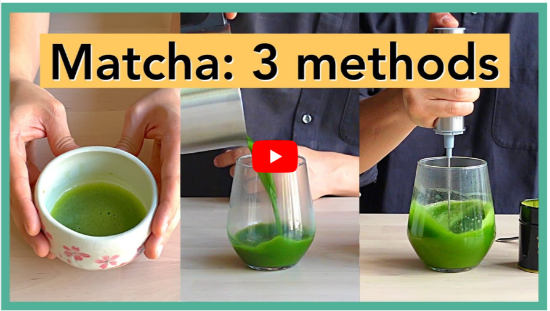
The Science Behind Matcha’s Key Compounds
Caffeine + L-Theanine Synergy
Matcha contains about 30–70 mg of caffeine per serving. However, unlike coffee, it also contains L-theanine.
L-theanine promotes alpha brain waves, associated with calm focus. Studies suggest that combining caffeine and L-theanine may improve:
-
Attention
-
Reaction time
-
Mental clarity
This combination explains why matcha often feels “cleaner” than coffee energy.
Antioxidants: EGCG
Matcha is rich in catechins, particularly epigallocatechin gallate (EGCG).
Research suggests EGCG may:
-
Support metabolic rate
-
Reduce oxidative stress
-
Support cardiovascular health
EGCG is one of the most studied plant antioxidants in modern nutrition science.
Potential Benefits of the Japanese Matcha Salt Trick
1. Sustained Energy Without Jitters
Because of the caffeine-L-theanine synergy, energy release is slower and smoother.
Many users report improved productivity without anxiety spikes.
2. Metabolism Support
Some studies suggest green tea catechins may increase thermogenesis.
Thermogenesis = calorie burning through heat production.
While effects are modest, consistent intake may contribute to overall metabolic support when combined with exercise.
3. Improved Hydration
Adding a small amount of mineral salt may enhance water absorption through sodium-glucose transport mechanisms.
This is especially useful for:
-
Intermittent fasters
-
Morning exercisers
-
Low-carb dieters
4. Cognitive Clarity
Matcha’s unique compound profile may improve:
-
Working memory
-
Focus duration
-
Mental stamina
Zen monks historically valued this clarity for meditation practice.
Who Might Benefit Most?
| Group | Why It May Help |
|---|---|
| Morning exercisers | Supports hydration + energy |
| Intermittent fasters | Non-caloric metabolic boost |
| Students & professionals | Sustained mental clarity |
| Low-carb dieters | Electrolyte replenishment |
Who Should Be Cautious?
The Japanese Matcha Salt Trick may not be suitable for:
-
Individuals with hypertension
-
Those on sodium-restricted diets
-
Pregnant individuals are sensitive to caffeine
-
People with iron absorption issues
Green tea compounds can reduce non-heme iron absorption when taken with meals.
If you have cardiovascular or kidney concerns, consult a physician before adding extra sodium.
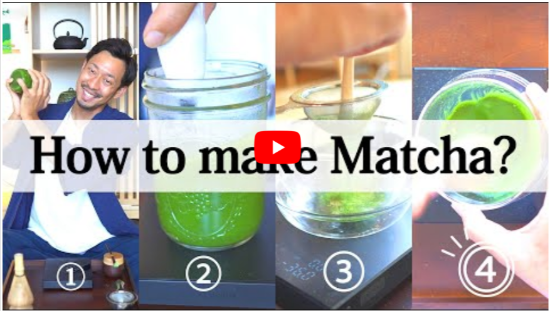
How to Prepare It Properly
-
Heat water to 70–80°C (not boiling).
-
Sift ½–1 teaspoon matcha into a bowl.
-
Add a pinch of mineral salt.
-
Pour water.
-
Whisk in a zigzag motion until frothy.
Avoid boiling water — it can make matcha bitter.
Matcha vs Coffee: A Comparison
| Feature | Matcha | Coffee |
|---|---|---|
| Caffeine Release | Slow & steady | Fast spike |
| L-Theanine | Yes | No |
| Acidity | Low | Higher |
| Antioxidants | Very high | Moderate |
| Crash Risk | Lower | Higher |
Can It Help With Weight Loss?
There is no magic trick.
However, matcha may:
-
Slightly increase fat oxidation
-
Support workout endurance
-
Reduce appetite temporarily
Weight loss ultimately depends on caloric balance, sleep, stress, and activity levels.
The Japanese Matcha Salt Trick should be viewed as a supportive tool — not a shortcut.
Possible Side Effects
Though generally safe, excessive intake may cause:
-
Nausea
-
Headache
-
Insomnia
-
Increased heart rate
-
Elevated blood pressure (from salt)
Limit matcha to 1–2 servings daily unless advised otherwise.
How Often Should You Drink It?
For most healthy adults:
-
1 cup daily in the morning is sufficient
-
Avoid consuming late in the day
Consistency matters more than quantity.
Quality Matters: Choosing the Right Matcha
Look for:
-
Ceremonial grade
-
Bright green color
-
Origin: Japan
-
Fresh harvest date
Avoid dull green or yellowish powder.
Regions like Uji in Kyoto are traditionally known for high-quality matcha production.
Frequently Asked Questions
Does it break a fast?
Minimal calories, but purists may avoid it due to caffeine response.
Can I add lemon?
Yes, though traditional preparation avoids additives.
Is sea salt better than table salt?
Mineral-rich salts may contain trace elements, but sodium content is similar.
Practical Routine Example
Morning Routine:
-
Wake up
-
Hydrate with water
-
Prepare Japanese Matcha Salt Trick
-
Light stretching
-
Begin focused work session
This ritual can create a structured, intentional start to the day.
The Psychological Component
Ritual matters.
The Japanese tea tradition emphasizes:
-
Mindfulness
-
Presence
-
Slowing down
The act of preparing the drink may be as beneficial as the drink itself.
Final Thoughts
The Japanese Matcha Salt Trick blends ancient tradition with modern nutritional science. It offers a practical, simple way to support:
-
Energy
-
Hydration
-
Metabolic health
-
Cognitive clarity
However, it is not a miracle solution.
Long-term wellness depends on balanced nutrition, movement, sleep, and stress management.
Used wisely, this small daily ritual may become a powerful anchor for better mornings and sustained productivity.
References Link
Health Benefits of Matcha
https://www.webmd.com/diet/health-benefits-matcha
7 Proven Ways Matcha Tea
https://www.healthline.com/nutrition/7-benefits-of-matcha-tea
.
.
