Salt has always been at the center of discussions about heart health. In recent years, pink Himalayan salt has gained enormous popularity as a “healthier” alternative to regular table salt.
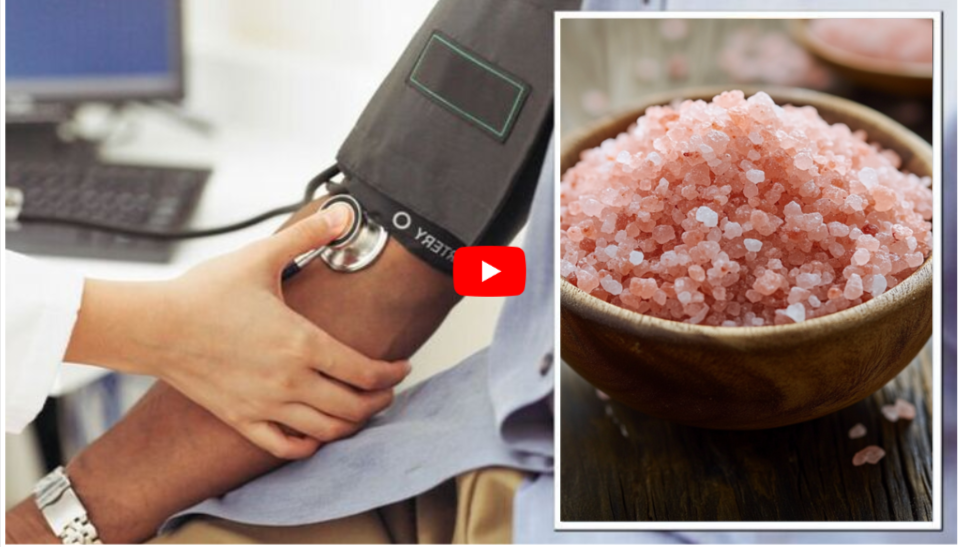

Pink salt has trace minerals, but it contains similar sodium levels as table salt and can raise blood pressure if consumed in excess.
Many people believe that switching to pink salt can improve heart health and even help regulate blood pressure.
What Is Pink Himalayan Salt?
Pink Himalayan salt is a naturally occurring rock salt mined primarily in the Punjab region of Pakistan, near the Himalayan mountains.
Its pink color comes from trace minerals such as:
-
Iron
-
Magnesium
-
Potassium
-
Calcium
Many health claims suggest that these trace minerals make pink salt superior to regular salt.
However, here is the key fact:
Pink Himalayan salt is approximately 98% sodium chloride — almost identical to table salt. The remaining 2% consists of trace minerals in very small quantities.
Understanding Blood Pressure
Blood pressure is the force exerted by circulating blood against the walls of arteries.
It is measured in two numbers:
| Measurement | Meaning |
|---|---|
| Systolic | Pressure when the heart beats |
| Diastolic | Pressure when the heart rests |
Normal blood pressure: Below 120/80 mmHg
Hypertension (high blood pressure): 130/80 mmHg or higher (according to current guidelines)
High blood pressure is one of the leading risk factors for heart disease, stroke, kidney damage, and premature death.
How Sodium Affects Blood Pressure
Sodium plays an essential role in:
-
Fluid balance
-
Nerve function
-
Muscle contraction
However, excessive sodium intake causes the body to retain water. This increases blood volume and places extra pressure on artery walls.
More sodium = more fluid retention = higher blood pressure. Over time, this strain can damage blood vessels and increase cardiovascular risk.
Pink Salt vs Table Salt: Is There a Difference?
Let’s compare both types of salt:
| Feature | Pink Salt | Table Salt |
|---|---|---|
| Sodium Content | ~98% sodium chloride | ~97–99% sodium chloride |
| Trace Minerals | Yes (small amounts) | Usually none |
| Iodine | Usually none | Often iodized |
| Processing | Minimally processed | Highly refined |
| Effect on Blood Pressure | Raises BP if excessive | Raises BP if excessive |
From a blood pressure perspective, pink salt and table salt have nearly identical effects.
The trace minerals in pink salt exist in amounts too small to significantly impact health.
For example, you would need to consume dangerously high amounts of pink salt to obtain meaningful magnesium or potassium levels.
The Myth: Pink Salt Is “Heart Healthy”
Many wellness influencers claim pink salt:
-
Lowers blood pressure
-
Balances electrolytes better
-
Prevents hypertension
-
Detoxifies the body
There is no strong scientific evidence supporting these claims.
Pink salt does not lower blood pressure. Like all salt products, it contains sodium, and excess sodium increases blood pressure.
Why Do Some People Think Pink Salt Is Better?
There are several reasons:
-
Natural appearance
-
Mineral content marketing
-
Less processed reputation
-
Perceived purity
While pink salt may be less processed, the body responds to sodium the same way regardless of its source.
Your blood pressure does not recognize “natural” sodium differently from refined sodium.
Scientific Evidence on Sodium and Hypertension
Extensive research confirms the link between sodium and high blood pressure.
Key Findings:
-
High sodium intake increases blood pressure in both hypertensive and normotensive individuals.
-
Reducing sodium lowers systolic and diastolic pressure.
-
Lower sodium intake reduces risk of stroke and heart disease.
The American Heart Association recommends:
-
Ideally less than 1,500 mg of sodium per day
-
Maximum 2,300 mg per day
One teaspoon of salt contains about 2,300 mg of sodium.
This applies to pink salt as well.
Does Pink Salt Contain Beneficial Minerals?
Yes — but in very small amounts.
Let’s look at approximate mineral content:
| Mineral | Amount in Pink Salt | Health Impact |
|---|---|---|
| Iron | Trace | Minimal |
| Magnesium | Trace | Minimal |
| Potassium | Trace | Minimal |
| Calcium | Trace | Minimal |
To gain meaningful mineral benefits, you would need to consume excessive salt, which would dramatically raise blood pressure.
It is far safer to obtain minerals from fruits, vegetables, nuts, and whole foods.
Sodium Sensitivity: Not Everyone Responds the Same
Some individuals are more sensitive to sodium than others.
High-risk groups include:
-
People over 50
-
African Americans
-
Individuals with kidney disease
-
Those with diabetes
-
People already diagnosed with hypertension
For these individuals, sodium restriction is particularly important.
What Happens When You Reduce Salt Intake?
Studies show:
-
Lower blood pressure within weeks
-
Reduced cardiovascular risk
-
Improved arterial function
-
Lower risk of stroke
Even modest reductions in sodium can produce measurable benefits.
Reducing salt intake is one of the most effective non-drug strategies for managing blood pressure.
Hidden Sources of Sodium
Most sodium does not come from the salt shaker.
Common high-sodium foods:
-
Processed meats
-
Canned soups
-
Frozen meals
-
Restaurant food
-
Snack chips
-
Sauces and condiments
Switching from table salt to pink salt will not significantly reduce sodium intake if processed foods remain high in the diet.

Pink Salt and Iodine: An Overlooked Concern
Table salt is often iodized.
Iodine is essential for:
-
Thyroid hormone production
-
Metabolism regulation
-
Brain development
Pink salt usually lacks iodine.
If someone replaces iodized salt entirely with pink salt, they may risk iodine deficiency.
Iodine deficiency can cause thyroid disorders, fatigue, and metabolic problems.
Can Pink Salt Ever Be a Better Choice?
It may be preferred for:
-
Flavor variation
-
Texture in cooking
-
Culinary presentation
But from a medical standpoint:
Pink salt offers no cardiovascular advantage over regular salt.
Pink Salt, Hydration, and Blood Pressure: What You Should Know
Hydration plays a central role in cardiovascular health. Many online sources claim that adding pink salt to water improves hydration and balances blood pressure.
While sodium is indeed an electrolyte essential for fluid balance, the relationship between saltwater consumption and blood pressure is often misunderstood.
When sodium is consumed, the body retains water to maintain balance. This can increase blood volume and, in some individuals, elevate blood pressure.
Drinking salt water regularly does not lower blood pressure and may worsen hypertension in sodium-sensitive individuals.
Electrolytes such as potassium and magnesium support heart function, but pink salt does not provide these minerals in therapeutic amounts. The body requires balanced electrolyte intake from diverse food sources, not from excessive salt consumption.
Electrolytes and Their Role in Blood Pressure Regulation
Electrolytes help regulate nerve signaling, muscle contractions, and fluid balance. The most important electrolytes influencing blood pressure include:
-
Sodium
-
Potassium
-
Magnesium
-
Calcium
An imbalance between sodium and potassium is more harmful than sodium alone. Modern diets tend to be high in sodium and low in potassium, which contributes significantly to hypertension risk.
Key Electrolyte Functions
-
Sodium: Maintains fluid balance but raises blood pressure when excessive
-
Potassium: Helps relax blood vessels and counteract sodium
-
Magnesium: Supports vascular tone and heart rhythm
-
Calcium: Assists in proper muscle contraction
Mineral Comparison: Pink Salt vs Whole Foods
Although pink salt contains trace minerals, whole foods are far superior sources.
| Nutrient | Pink Salt (1 tsp) | Spinach (1 cup cooked) | Banana (1 medium) |
|---|---|---|---|
| Sodium | ~2,300 mg | 24 mg | 1 mg |
| Potassium | Trace | 840 mg | 422 mg |
| Magnesium | Trace | 157 mg | 32 mg |
| Calcium | Trace | 245 mg | 6 mg |
This comparison clearly shows that whole foods provide meaningful mineral support without excess sodium.
Sodium Intake by Age and Risk Group
Sodium recommendations vary depending on health status.
| Population Group | Recommended Daily Sodium Limit |
|---|---|
| Healthy Adults | < 2,300 mg |
| Adults with Hypertension | < 1,500 mg |
| Adults Over 50 | < 1,500 mg |
| Kidney Disease Patients | Physician-guided restriction |
Individuals with high blood pressure benefit significantly from stricter sodium limits.
Signs You May Be Consuming Too Much Sodium
High sodium intake does not always produce obvious symptoms, but warning signs can include:
-
Frequent bloating
-
Swelling in hands or feet
-
Increased thirst
-
Elevated blood pressure readings
-
Headaches
Long-term excessive intake increases the risk of:
-
Stroke
-
Heart attack
-
Kidney damage
-
Heart failure
Chronic high sodium consumption silently damages blood vessels over time.
Cooking Tips to Reduce Sodium Without Sacrificing Flavor
Reducing salt does not mean reducing taste. Flavor can be enhanced using natural alternatives.
Smart Flavor Enhancers
-
Fresh herbs (basil, parsley, cilantro)
-
Garlic and onion
-
Lemon or lime juice
-
Vinegar
-
Black pepper and spices
-
Smoked paprika
-
Turmeric
Gradually reducing salt allows taste buds to adjust within a few weeks. Your palate adapts to lower sodium levels over time.
Pink Salt in Popular Health Trends
Pink salt has become popular in:
-
Detox drinks
-
“Adrenal fatigue” remedies
-
Morning salt water rituals
-
Electrolyte drinks
-
Weight loss regimens
However, there is no strong scientific evidence supporting claims that pink salt:
-
Detoxifies the body
-
Heals adrenal glands
-
Burns fat
-
Directly lowers blood pressure
The body detoxifies itself primarily through the liver and kidneys — not through specialty salts.
Blood Pressure Management Plan: A Practical Framework
Instead of focusing on the type of salt, a structured approach works better.
Step 1: Monitor Blood Pressure
-
Check regularly at home
-
Keep a log
Step 2: Evaluate Diet
-
Reduce processed foods
-
Increase vegetables
-
Balance sodium and potassium
Step 3: Improve Lifestyle
-
Exercise 30 minutes daily
-
Manage stress
-
Maintain healthy weight
-
Avoid tobacco
Step 4: Seek Medical Guidance
-
Follow prescribed medications if needed
-
Schedule routine check-ups
Lifestyle modification combined with medical supervision provides the best outcomes.
Comparing Different Types of Salt
Consumers often wonder whether sea salt, kosher salt, or pink salt is better.
| Type of Salt | Sodium Content | Mineral Content | Impact on Blood Pressure |
|---|---|---|---|
| Table Salt | High | Usually iodized | Raises BP if excessive |
| Pink Salt | High | Trace minerals | Raises BP if excessive |
| Sea Salt | High | Minimal minerals | Raises BP if excessive |
| Kosher Salt | High | Minimal minerals | Raises BP if excessive |
All salts contain high levels of sodium and can elevate blood pressure when overused.
The Role of Processed Foods in Hypertension
Approximately 70% of sodium in modern diets comes from processed and restaurant foods.
High-sodium foods include:
-
Fast food burgers
-
Frozen pizza
-
Packaged noodles
-
Processed cheese
-
Deli meats
-
Canned vegetables with added salt
Reducing processed food consumption has a greater impact than switching salt types.
When to Consult a Healthcare Professional
Seek professional guidance if you experience:
-
Consistently high readings above 130/80 mmHg
-
Chest pain
-
Shortness of breath
-
Severe headaches
-
Vision changes
Early intervention prevents long-term complications.
Key Takeaways
-
Pink salt contains sodium similar to regular salt.
-
Trace minerals in pink salt do not significantly improve blood pressure.
-
Excess sodium intake raises blood pressure regardless of source.
-
Whole foods provide better mineral balance.
-
Reducing total sodium intake is more important than changing salt type.
Heart health depends on overall dietary patterns, not specialty salts.
Best Dietary Approach for Blood Pressure Control
Rather than focusing on the type of salt, focus on overall diet.
The DASH diet (Dietary Approaches to Stop Hypertension) is widely recommended.
DASH Diet Emphasizes:
-
Fruits
-
Vegetables
-
Whole grains
-
Lean proteins
-
Low-fat dairy
-
Limited sodium
This dietary pattern has strong evidence supporting blood pressure reduction.
Lifestyle Strategies to Lower Blood Pressure
In addition to sodium reduction:
1. Increase Potassium Intake
Potassium helps counteract sodium’s effects.
Sources:
-
Bananas
-
Spinach
-
Sweet potatoes
-
Beans
2. Maintain Healthy Weight
Weight loss significantly lowers blood pressure.
3. Exercise Regularly
At least 150 minutes per week of moderate activity.
4. Limit Alcohol
Excess alcohol raises blood pressure.
5. Manage Stress
Chronic stress contributes to hypertension.
Conclusion
Pink Himalayan salt is often marketed as a healthier alternative to regular table salt, but when it comes to blood pressure, the difference is minimal.
Both pink salt and table salt are composed primarily of sodium chloride, and the body responds to sodium the same way regardless of its source.
While pink salt does contain trace minerals, they are present in amounts too small to significantly influence cardiovascular health.
Excess sodium intake — whether from pink salt, sea salt, or table salt — can raise blood pressure and increase the risk of heart disease and stroke.
The most effective strategy for maintaining healthy blood pressure is reducing overall sodium intake, choosing whole foods over processed options, and following evidence-based dietary patterns such as the DASH diet.
References Link
- Himalayan Salt: Is It Good for You?
https://www.webmd.com/diet/himalayan-salt-good-for-you
- What Is Sole Water, and Does It Have Benefits?
https://www.healthline.com/nutrition/sole-water
- Blood pressure
.
