The internet is filled with unusual home remedies, and one of the latest curiosities is “Vaseline with chocolate for teeth.” Social media platforms often showcase DIY mixtures claiming to whiten teeth, relieve pain, or strengthen enamel using simple household items.
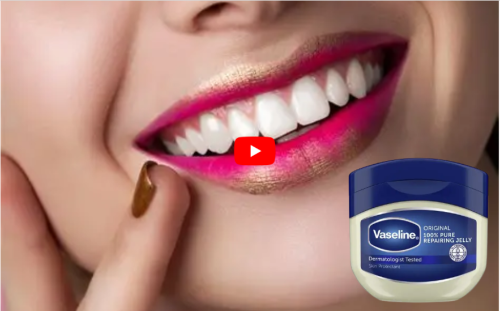

Choosing dentist-approved treatments is a safer way to protect your smile, as Vaseline and chocolate are not supported by scientific evidence for dental care.
When it comes to oral health, not everything natural or viral is safe.
Understanding the Ingredients
Before evaluating the mixture, let’s examine the two components individually.
What Is Vaseline?
Vaseline is a brand name for petroleum jelly. It is a semi-solid mixture of hydrocarbons derived from petroleum. It is commonly used for:
-
Moisturizing dry skin
-
Protecting minor cuts and burns
-
Preventing chafing
-
Sealing moisture
Petroleum jelly is occlusive, meaning it forms a protective barrier on the skin. It does not absorb into tissues but rather sits on top, preventing moisture loss.
Vaseline is designed for external use on skin — not for oral consumption.
What Is Chocolate?
Chocolate is made from cocoa solids, cocoa butter, sugar, and sometimes milk. Its impact on teeth depends largely on the type:
-
Dark chocolate (higher cocoa, lower sugar)
-
Milk chocolate (moderate sugar, milk solids)
-
White chocolate (high sugar, no cocoa solids)
Chocolate contains:
-
Sugar (feeds cavity-causing bacteria)
-
Cocoa compounds (some antibacterial properties)
-
Fats
-
Flavoring agents
While cocoa has certain antioxidant properties, most commercial chocolate contains enough sugar to increase cavity risk.
The sugar content in chocolate plays a far more significant role in dental health than its cocoa benefits.
Why Are People Using Vaseline With Chocolate For Teeth?
Some viral claims suggest this mixture may:
-
Whiten teeth
-
Remove plaque
-
Reduce tooth sensitivity
-
Relieve toothache
-
Add shine to teeth
-
Act as a protective coating
However, these claims lack credible scientific evidence.
There is no dental research supporting the use of Vaseline mixed with chocolate for oral health.
Does Vaseline Whiten Teeth?
Teeth whitening requires:
-
Stain removal (surface polishing)
-
Chemical oxidation (like hydrogen peroxide)
-
Professional dental procedures
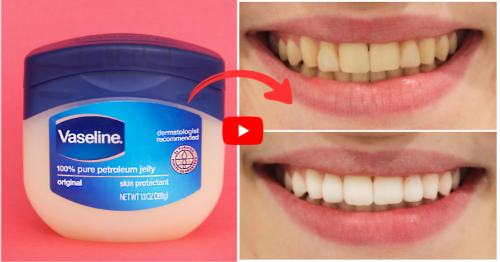
Vaseline does not contain any bleaching agents. It does not chemically alter tooth enamel. At best, applying petroleum jelly could temporarily create a glossy surface appearance.
A temporary shine is not the same as whitening. Moreover, placing petroleum jelly on teeth may trap bacteria and food particles, increasing plaque accumulation.
Can Chocolate Help Teeth?
Some studies suggest cocoa compounds like theobromine may strengthen enamel. Theobromine has been researched as a possible alternative to fluoride in certain experimental dental formulations.
However:
-
These studies use purified cocoa extracts.
-
They do not use sugary commercial chocolate.
-
They do not involve mixing cocoa with petroleum jelly.
Milk chocolate and white chocolate contain high sugar levels, which fuel acid-producing bacteria.
The potential benefits of cocoa are overshadowed by the harmful effects of sugar in regular chocolate.
What Happens When You Apply Vaseline to Teeth?
Let’s examine the possible effects:
1. Occlusive Barrier Effect
Vaseline forms a barrier. On skin, this prevents moisture loss. On teeth, it may:
-
Trap bacteria
-
Prevent natural saliva cleansing
-
Create a greasy film
Saliva is essential for neutralizing acids and protecting enamel. A petroleum barrier could interfere with natural cleansing.
2. Risk of Ingestion
Petroleum jelly is generally considered safe in small accidental amounts, but it is not meant to be consumed regularly.
Potential issues include:
-
Digestive discomfort
-
Aspiration risk (if inhaled accidentally)
-
Chemical contamination concerns
Repeated oral exposure to petroleum products is not advisable without medical guidance.
3. Plaque Accumulation
A sticky mixture of chocolate and Vaseline may adhere to teeth, increasing:
-
Plaque buildup
-
Bacterial growth
-
Cavity risk
-
Gum irritation
The Role of Sugar in Tooth Decay
To understand the risk, it’s important to revisit how cavities form.
The Cavity Process
-
Sugar is consumed.
-
Bacteria feed on sugar.
-
Acid is produced.
-
Enamel demineralizes.
-
Cavities form.
Chocolate — especially milk chocolate — contains sucrose, which fuels this process.
Even short-term exposure to sugary substances can increase enamel demineralization.
Vaseline vs Chocolate – Dental Impact
| Ingredient | Intended Use | Dental Benefit | Dental Risk |
|---|---|---|---|
| Vaseline | Skin barrier | None proven | May trap bacteria |
| Dark Chocolate (low sugar) | Food | Minimal potential benefit from cocoa | Mild cavity risk |
| Milk Chocolate | Food | None | High cavity risk |
| Vaseline + Chocolate Mix | DIY trend | No evidence | Increased plaque & decay risk |
Could It Relieve Tooth Pain?
Tooth pain often results from:
-
Cavities
-
Infection
-
Gum inflammation
-
Cracked teeth
Vaseline does not have analgesic properties. Chocolate does not treat dental infections.
At best, the greasy coating might temporarily shield exposed dentin from air, reducing sensitivity briefly.
Temporary masking of pain does not treat the underlying cause.
Ignoring dental pain can lead to:
-
Abscess
-
Root infection
-
Tooth loss
-
Systemic infection
Social Media Misinformation
Many home remedies go viral due to:
-
Quick visual results
-
Influencer endorsements
-
Lack of scientific scrutiny
However:
-
Visual shine is not enamel repair.
-
Trending does not equal safe.
-
Popularity does not equal medical approval.
Oral health trends should always be evaluated through scientific evidence, not internet popularity.
Safer Alternatives for Whiter Teeth
If the goal is whitening, consider evidence-based methods:
At-Home Options
-
Whitening toothpaste with fluoride
-
ADA-approved whitening strips
-
Dentist-recommended gels
Professional Options
-
In-office bleaching
-
Laser whitening
-
Custom whitening trays
These methods use clinically tested ingredients like hydrogen peroxide or carbamide peroxide.
Risks of Vaseline With Chocolate For Teeth
-
Increased plaque retention
-
Higher cavity risk
-
Possible gum irritation
-
No proven whitening effect
-
May interfere with saliva cleansing
-
Unintended ingestion of petroleum
-
False sense of oral care
Can Petroleum Jelly Damage Enamel?
Petroleum jelly itself does not chemically erode enamel. However:
-
It may promote bacterial retention.
-
It may prevent natural cleaning.
-
It can contribute indirectly to decay.
Enamel damage is typically caused by acid — but bacteria trapped under an occlusive layer can produce acid over time.
What About Cocoa Extract in Dentistry?
Research has explored:
-
Theobromine-based toothpaste
-
Cocoa polyphenols
-
Antimicrobial properties of cocoa husk extract
These are laboratory-controlled extracts, not candy chocolate.
There is a major difference between purified cocoa compounds and sugary confectionery products.
The Importance of Saliva
Saliva:
-
Neutralizes acids
-
Remineralizes enamel
-
Washes away food debris
-
Controls bacterial growth
Coating teeth with a petroleum-based film may interfere with saliva’s protective function.
Evidence-Based Care vs DIY Trend
| Feature | Vaseline + Chocolate | Professional Whitening |
|---|---|---|
| Scientific Support | None | Strong clinical evidence |
| Safety | Questionable | Regulated |
| Effectiveness | Unproven | Proven |
| Risk Level | Moderate | Low (when supervised) |
| Long-Term Results | None | Lasting improvement |
What Dentists Say
Dental professionals generally advise:
-
Avoid applying non-dental products to teeth.
-
Stick to fluoride-based care.
-
Seek professional advice for pain or discoloration.
Teeth are not skin — products safe for skin are not automatically safe for oral tissues.
When to See a Dentist
If you experience:
-
Persistent toothache
-
Sensitivity lasting more than 48 hours
-
Gum bleeding
-
Bad breath that won’t resolve
-
Visible dark spots
These are signs of potential dental disease, not cosmetic issues.
Psychological Appeal of DIY Remedies
Why do such trends gain popularity?
-
Low cost
-
Easy access
-
Fear of dental procedures
-
Curiosity
-
Mistrust of medical systems
However, shortcuts often lead to long-term complications.
The Impact of DIY Dental Trends on Long-Term Oral Health
In recent years, unconventional dental hacks have gained attention online, often promising quick and affordable results. However, experimenting with unverified mixtures on teeth can quietly compromise long-term oral health.
Teeth are highly specialized structures made of enamel, dentin, and pulp. Unlike skin, enamel does not regenerate. Once weakened, it requires professional restoration.
Repeated exposure to untested substances can gradually disrupt the natural balance of the oral environment.
Even if no immediate damage is visible, microscopic changes may occur in plaque retention, bacterial growth, and gum response.
Trends that appear harmless can sometimes lead to:
-
Increased enamel demineralization
-
Altered oral microbiome balance
-
Higher risk of gum inflammation
-
Greater likelihood of tartar formation
-
Delayed professional diagnosis of underlying issues
How the Oral Microbiome Reacts to Unusual Substances
The mouth contains over 700 species of bacteria. Many are beneficial and help maintain a healthy balance. Introducing oily or sugary substances that are not meant for dental care may disrupt this delicate ecosystem.
Petroleum-based products can create a hydrophobic layer, while sugar provides fuel for acid-producing bacteria. This combination may encourage bacterial colonization in hard-to-clean areas.
A healthy oral microbiome depends on balance, not artificial coatings or sugary exposure.
Key Factors That Maintain Oral Microbial Balance:
-
Saliva flow
-
Neutral pH levels
-
Fluoride presence
-
Mechanical cleaning (brushing and flossing)
-
Limited sugar intake
Oral Environment Before and After Sugary Exposure
| Condition | Healthy Oral State | After Sugary Application |
|---|---|---|
| pH Level | Neutral (6.8–7.2) | Drops below 5.5 (acidic) |
| Bacterial Activity | Balanced | Increased acid production |
| Enamel Status | Stable | Demineralization begins |
| Saliva Function | Cleanses naturally | May be less effective if coated |
Acidic environments below pH 5.5 significantly increase enamel erosion risk.
The Role of Fluoride in Protecting Teeth
Fluoride remains one of the most researched and recommended substances in preventive dentistry. It strengthens enamel by forming fluorapatite, which is more resistant to acid attack.
Unlike viral DIY trends, fluoride:
-
Is clinically tested
-
Has decades of research support
-
Reduces cavity risk significantly
-
Enhances enamel remineralization
Fluoride vs Unverified Home Mixtures
| Feature | Fluoride | Unverified Mixtures |
|---|---|---|
| Clinical Research | Extensive | None |
| Regulation | Strictly regulated | Unregulated |
| Proven Benefit | Yes | No |
| Safety Standards | Established | Unknown |
Preventive dental care should always rely on scientifically validated ingredients.
Potential Gum Health Concerns
While enamel often receives the most attention, gum tissue is equally important. Applying greasy or sugary substances near the gumline may lead to irritation or inflammation.
Signs of gum distress include:
-
Redness
-
Swelling
-
Bleeding during brushing
-
Persistent bad breath
-
Gum tenderness
Over time, untreated gum inflammation can progress into gingivitis or periodontal disease.
Healthy gums are the foundation of strong teeth.
Nutritional Perspective: What Actually Supports Strong Teeth?
Instead of experimental mixtures, focusing on dietary habits can significantly improve oral health.
Tooth-Friendly Nutrients:
-
Calcium (milk, yogurt, leafy greens)
-
Phosphorus (fish, eggs, nuts)
-
Vitamin D (sunlight, fortified foods)
-
Vitamin C (citrus fruits, berries)
-
Fiber-rich vegetables (stimulate saliva)
Foods That Help Naturally Clean Teeth:
-
Apples
-
Carrots
-
Celery
-
Cheese
These stimulate saliva production, which naturally washes away food debris.
The Science of Tooth Enamel
Enamel is:
-
The hardest substance in the human body
-
Non-living tissue
-
Unable to regenerate once severely damaged
Protection strategies include:
-
Fluoride use
-
Proper brushing technique
-
Balanced diet
-
Regular dental check-ups
Once enamel is lost, it cannot naturally grow back.
Could This Trend Cause Long-Term Harm?
Possible outcomes if practiced regularly:
-
Increased cavities
-
Gum inflammation
-
Bad breath
-
Tartar buildup
-
Dental sensitivity
-
Expensive dental repairs
The financial cost of treating decay far outweighs the temporary appeal of DIY experiments.
Healthy Alternatives for Stronger Teeth
Instead of Vaseline and chocolate, consider:
-
Fluoride toothpaste
-
Xylitol gum
-
Sugar-free cocoa products
-
Professional dental cleanings
-
Balanced calcium-rich diet
Final Thoughts
Oral health requires evidence-based care, not experimental internet remedies. While Vaseline is useful for protecting skin and cocoa contains interesting compounds under laboratory conditions, combining petroleum jelly with sugary chocolate offers no proven dental benefit.
It may temporarily create a shiny appearance, but it does not whiten teeth, treat pain, or strengthen enamel. Over time, this mixture could increase plaque accumulation and cavity risk.
The safest path to healthier teeth remains regular brushing with fluoride toothpaste, flossing, balanced nutrition, and professional dental visits. Protecting your enamel today prevents costly dental problems tomorrow.
References Link
- Lip and Teeth Care
https://www.healthline.com/healthy-beauty/lips-teeth
- Tooth whitening
https://en.wikipedia.org/wiki/Tooth_whitening
- The many benefits of petroleum jelly
