Home remedies have always captured public curiosity. From herbal compresses to kitchen-based skin masks, people often look for simple, affordable solutions for common health concerns.
One unusual trend circulating online is the idea of using Vaseline with chocolate for pain relief. Social media posts and DIY forums claim that mixing petroleum jelly with chocolate can soothe aches, reduce discomfort, and even relieve muscle tension.
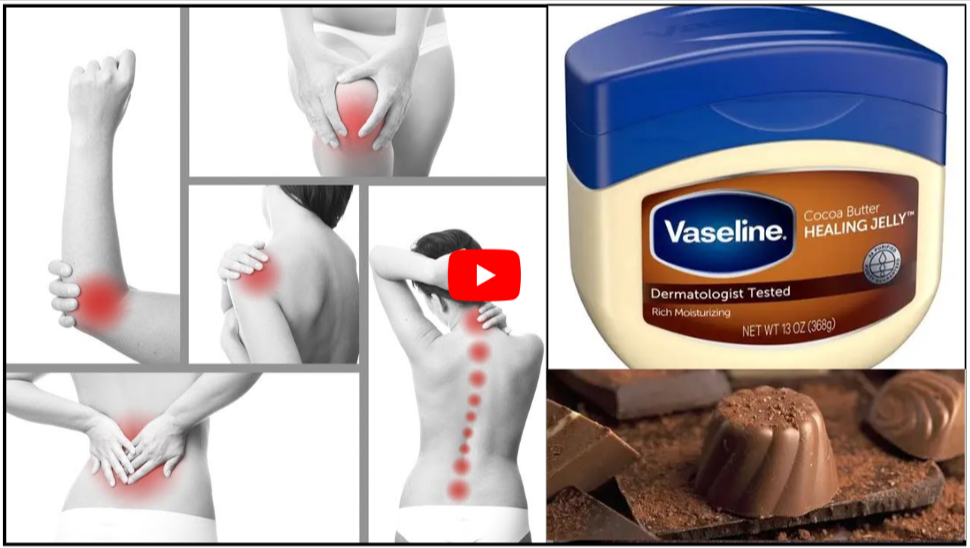

Vaseline with chocolate may moisturize skin, but it is not a proven treatment for pain relief. Evidence-based methods are safer and more effective.
Understanding Vaseline: What Does It Really Do?
Vaseline is a brand of petroleum jelly, a semi-solid mixture of hydrocarbons derived from petroleum. It has been widely used for over 150 years in skincare and wound care.
How Vaseline Works
Petroleum jelly is classified as an occlusive agent, meaning it creates a protective barrier on the skin’s surface. This barrier:
-
Prevents moisture loss
-
Protects minor wounds
-
Supports skin healing
-
Reduces friction
Vaseline does not contain anti-inflammatory or pain-relieving ingredients. Its primary function is hydration and protection—not analgesia.
Medical Uses of Petroleum Jelly
Healthcare providers sometimes recommend petroleum jelly for:
-
Dry, cracked skin
-
Minor cuts and burns
-
Chafing prevention
-
Post-procedure skin care
It is considered safe when used externally and appropriately. However, it is not designed to treat muscle pain, joint inflammation, or nerve-related discomfort.
Chocolate and Cocoa: Do They Relieve Pain?
Chocolate, particularly dark chocolate, contains cocoa solids rich in biologically active compounds.
Key Components of Cocoa
-
Flavonoids (antioxidants)
-
Theobromine
-
Small amounts of caffeine
-
Magnesium
Flavonoids have anti-inflammatory and antioxidant properties when consumed orally. Some research suggests cocoa may:
-
Improve circulation
-
Reduce oxidative stress
-
Support cardiovascular health
However, these benefits are primarily observed when cocoa is ingested, not applied topically. There is no strong clinical evidence supporting chocolate as a topical pain reliever.
The Theory Behind Vaseline With Chocolate for Pain Relief
Online claims suggest that combining Vaseline and chocolate creates a soothing balm that:
-
Warms the skin
-
Reduces muscle soreness
-
Improves circulation
-
Relieves joint pain
The proposed reasoning is that:
-
Vaseline locks in moisture.
-
Chocolate contains antioxidants.
-
The combination produces a comforting sensation.
But this theory overlooks one critical fact:
Topical antioxidants do not penetrate deeply enough through intact skin to treat muscle or joint pain.
Furthermore, petroleum jelly can act as a barrier that may actually prevent other substances from being absorbed effectively.
Can Vaseline With Chocolate Actually Reduce Pain?
Scientific Perspective
From a medical standpoint:
-
Vaseline is not an analgesic.
-
Chocolate applied to the skin does not provide clinically proven pain relief.
-
There are no peer-reviewed studies supporting this combination for pain management.
Pain relief typically requires:
-
Anti-inflammatory action
-
Nerve signal modulation
-
Improved blood flow
-
Muscle relaxation
This mixture does not meet those criteria in a meaningful way.
The Placebo Effect
Some individuals may report relief after using the mixture. This can often be attributed to:
-
The soothing ritual of massage
-
Warmth from rubbing the skin
-
Relaxation response
-
Expectation of improvement
The placebo effect can create real perceived relief, but it does not mean the remedy treats the underlying cause of pain.
Potential Risks of Using Vaseline With Chocolate
While this remedy may seem harmless, there are potential concerns.
1. Skin Irritation
Chocolate products may contain:
-
Sugar
-
Dairy
-
Additives
-
Preservatives
These can clog pores or cause irritation, especially in sensitive skin.
2. Acne Breakouts
Petroleum jelly is occlusive. If applied over acne-prone skin without proper cleansing, it can trap oil and bacteria.
3. Allergic Reactions
Some people may experience:
-
Itching
-
Redness
-
Rash
-
Swelling
Always perform a patch test before applying any homemade mixture.
4. Delayed Medical Treatment
Relying on unproven remedies may delay proper diagnosis of conditions such as:
-
Arthritis
-
Muscle tears
-
Nerve compression
-
Inflammatory disorders
Ignoring persistent pain can allow underlying conditions to worsen.
Why Pain Occurs: Understanding the Root Cause
Pain is a complex biological signal. It can originate from:
-
Muscle strain
-
Joint inflammation
-
Nerve irritation
-
Tissue injury
-
Chronic medical conditions
Effective treatment depends on identifying the cause.
Types of Pain
| Type of Pain | Description | Common Causes |
|---|---|---|
| Acute Pain | Short-term | Injury, strain |
| Chronic Pain | Long-lasting | Arthritis, nerve damage |
| Neuropathic Pain | Nerve-related | Diabetes, compression |
| Inflammatory Pain | Swelling-related | Autoimmune conditions |
Applying topical chocolate does not address any of these mechanisms in a clinically meaningful way.
Evidence-Based Topical Pain Relief Options
Instead of unproven mixtures, consider options supported by research.
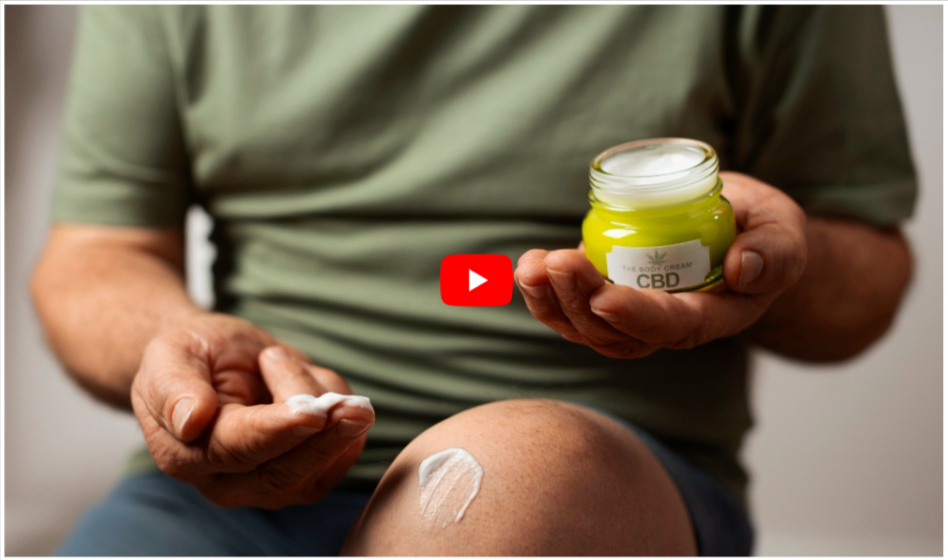
1. Menthol-Based Creams
Menthol creates a cooling sensation that can temporarily distract pain receptors.
2. Capsaicin Cream
Derived from chili peppers, capsaicin reduces substance P, a pain-signaling chemical.
3. NSAID Gels
Topical nonsteroidal anti-inflammatory drugs reduce inflammation locally.
4. Heat and Cold Therapy
-
Ice reduces inflammation
-
Heat relaxes muscles
These methods are backed by clinical evidence and are safer choices.
Can Ingredients in Chocolate Ever Help With Pain?
While applying chocolate directly to the skin is not a proven pain treatment, it’s worth exploring whether specific components of cocoa have any therapeutic relevance.
Cocoa contains flavonoids, particularly epicatechin and catechin, which have anti-inflammatory and antioxidant properties when consumed.
Research suggests these compounds may help reduce systemic inflammation over time when included in a balanced diet. However, topical application presents a limitation: the skin barrier significantly restricts deep absorption of such molecules.
Oral nutritional benefits do not automatically translate into topical medical benefits.
Additionally, chocolate products used in DIY mixtures often contain sugar and milk solids, which provide no medicinal value and may irritate the skin.
The Role of Skin Absorption in Pain Relief
One key reason why Vaseline with chocolate is ineffective for pain relief lies in how skin absorption works.
The outermost layer of skin, known as the stratum corneum, functions as a protective barrier. Only specific molecules with the right size and chemical properties can penetrate deeply enough to influence muscles or joints.
Factors That Affect Topical Absorption:
-
Molecular size of the ingredient
-
Lipid solubility
-
Skin condition (intact vs damaged)
-
Presence of penetration enhancers
-
Duration of application
Petroleum jelly itself forms an occlusive barrier, which may actually limit penetration rather than enhance it.
If an ingredient cannot reach deeper tissues, it cannot meaningfully treat musculoskeletal pain.
Why Social Media Remedies Spread Quickly
Trends like Vaseline with chocolate for pain relief often gain popularity due to:
-
Emotional storytelling
-
Before-and-after photos
-
Influencer endorsements
-
“Natural” appeal
-
Fear of pharmaceuticals
However, popularity does not equal scientific validation.
Common Traits of Viral Health Hacks:
-
Simple ingredients
-
Low cost
-
Quick preparation
-
Promises of fast results
-
Lack of scientific citations
Always evaluate health claims through credible medical sources before trying them.
Nutritional Cocoa vs. Topical Cocoa
Below is a comparison that helps clarify the difference between eating cocoa and applying it to the skin.
| Factor | Consumed Cocoa | Topical Cocoa |
|---|---|---|
| Anti-inflammatory impact | Possible systemic benefit | Minimal to none |
| Pain reduction | Indirect (via reduced inflammation) | No proven effect |
| Absorption pathway | Digestive system | Limited skin penetration |
| Evidence support | Moderate research | Very limited research |
This distinction is important because many home remedy claims blur the line between nutritional science and topical treatment.
Evidence-Based Lifestyle Approaches for Pain Relief
If you are looking for natural ways to manage mild pain, consider lifestyle adjustments supported by research.
Helpful Strategies:
-
Regular stretching exercises
-
Strength training for joint support
-
Proper hydration
-
Balanced anti-inflammatory diet
-
Stress management techniques
-
Adequate sleep
Lifestyle improvements address root causes rather than masking symptoms.
Natural Ingredients With Better Research Support
If you prefer plant-based or natural options, some ingredients have more evidence than chocolate when used topically.
Commonly Studied Natural Pain Relievers:
-
Arnica gel
-
Capsaicin cream
-
Menthol-based balms
-
Turmeric extracts (oral use)
-
Eucalyptus oil (diluted)
However, even natural treatments should be used cautiously and under medical guidance if pain persists.
Short-Term vs Long-Term Pain Management
Understanding the duration of pain is essential when choosing treatment.
| Pain Duration | Best Approach | Medical Attention Needed? |
|---|---|---|
| 1–3 days | Rest, ice, gentle stretching | Usually no |
| 1–2 weeks | Topical NSAIDs, evaluation if worsening | Sometimes |
| Over 2 weeks | Professional assessment recommended | Yes |
| Chronic (3+ months) | Comprehensive pain management plan | Absolutely |
Chronic pain requires structured medical evaluation—not home experimentation.
The Importance of Identifying Inflammation
Pain is often linked to inflammation. Without reducing inflammation, long-term relief is unlikely.
Signs of inflammatory pain may include:
-
Swelling
-
Redness
-
Warmth
-
Morning stiffness
-
Reduced mobility
Chocolate and petroleum jelly do not contain clinically proven anti-inflammatory concentrations capable of reducing these symptoms.
Psychological and Sensory Factors in Pain Perception
Pain is influenced by emotional and psychological states. Anxiety, stress, and fatigue can intensify discomfort.
The pleasant scent of chocolate may trigger temporary relaxation through sensory pathways in the brain. This does not treat physical tissue damage, but it may create short-lived comfort.
Psychological Factors That Influence Pain:
-
Stress levels
-
Sleep deprivation
-
Depression
-
Anxiety
-
Attention focus
Reducing stress can improve pain perception, but it does not replace medical treatment.
When Massage Helps
Some perceived benefits of Vaseline with chocolate may come from massage itself.
Massage can:
-
Improve blood flow
-
Relax tight muscles
-
Reduce stress hormones
-
Enhance well-being
In this case, the improvement comes from touch therapy—not from chocolate.
Psychological Comfort vs. Medical Effect
Comfort rituals can be meaningful. The smell of chocolate may promote relaxation. The act of self-care can reduce stress.
However:
Relaxation is not the same as medical pain treatment.
If a method helps you unwind but does not replace medical care, it may have a place as a comfort ritual—provided it is safe.
Situations Requiring Medical Attention
Seek professional evaluation if you experience:
-
Severe or worsening pain
-
Pain lasting more than two weeks
-
Numbness or weakness
-
Swelling with fever
-
Injury-related pain
Persistent pain is a signal that should not be ignored.
Comparing Home Remedies vs. Medical Treatments
| Factor | Home Remedy | Medical Treatment |
|---|---|---|
| Scientific Support | Often limited | Evidence-based |
| Safety Profile | Variable | Regulated |
| Effectiveness | Inconsistent | Clinically tested |
| Risk of Delay | High | Lower |
Evidence-based care offers predictable and safer outcomes.
Does Vaseline With Chocolate Relieve Pain?
There is no credible scientific evidence supporting Vaseline with chocolate as an effective pain relief solution.
While it may:
-
Moisturize skin
-
Provide a pleasant aroma
-
Offer relaxation through massage
It does not:
-
Reduce inflammation
-
Block pain signals
-
Heal injured tissues
-
Treat chronic pain conditions
Relying on internet trends instead of science can delay proper care and worsen symptoms.
For real pain relief, consult a healthcare professional and use treatments backed by clinical research.
Conclusion
The idea of using Vaseline with chocolate for pain relief may sound creative and appealing, especially in an era where DIY remedies dominate social media. However, scientific evaluation reveals that this mixture does not possess genuine analgesic properties.
Petroleum jelly protects and hydrates skin. Cocoa contains beneficial compounds when consumed. But together, they do not form a medically effective pain treatment.
Pain is a complex biological process that deserves evidence-based solutions—not viral experiments.
If you are experiencing persistent or severe discomfort, prioritize professional guidance and proven therapies. Your health and safety should always come first.
