A toothache can strike at the worst possible time—late at night, during a busy workday, or while traveling.
When professional dental care isn’t immediately available, many people turn to home remedies shared online. One unusual trend gaining attention is “Vaseline With Chocolate For Toothache.”
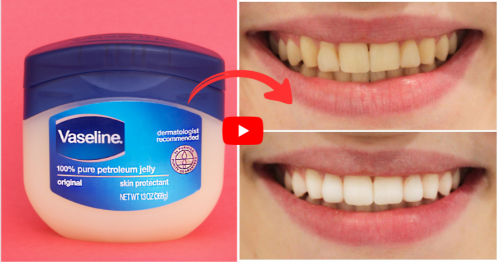

Vaseline with chocolate isn’t a proven toothache remedy. Choosing proper dental care ensures safe, effective relief and long-term oral health protection.
Understanding Toothache: Why Does It Happen?
Toothache is usually a sign that something is wrong inside your tooth or surrounding tissues. Pain is your body’s warning signal that infection, inflammation, or damage is present.
Common Causes of Toothache
-
Tooth decay (cavities)
-
Gum disease
-
Tooth abscess (infection)
-
Cracked or fractured tooth
-
Exposed tooth roots
-
Impacted wisdom teeth
-
Teeth grinding (bruxism)
When bacteria penetrate the enamel and dentin layers, they can reach the pulp—the innermost part of the tooth containing nerves and blood vessels. Once the pulp becomes inflamed or infected, pain can become intense and persistent.
Ignoring tooth pain can allow infection to spread, potentially leading to serious complications.
What Is the “Vaseline With Chocolate” Remedy?
The viral remedy typically involves:
-
Mixing petroleum jelly (Vaseline) with chocolate
-
Applying the mixture directly to the aching tooth
-
Allowing it to sit in the mouth for temporary relief
Some variations suggest using dark chocolate due to its cocoa content.
Why Do People Try This?
The idea is based on two assumptions:
-
Vaseline may create a protective barrier.
-
Chocolate contains compounds that might reduce pain.
But are these assumptions valid?
Ingredient Breakdown
Let’s analyze each component scientifically.
1. Vaseline (Petroleum Jelly)
Vaseline is a semi-solid mixture of hydrocarbons derived from petroleum. It is commonly used for:
-
Moisturizing dry skin
-
Protecting minor cuts
-
Preventing moisture loss
It works by forming a protective barrier over the skin.
However:
-
It is not designed for internal oral use
-
It does not have antibacterial properties
-
It does not treat infection or inflammation
Applying petroleum jelly inside the mouth may trap bacteria against the tooth rather than help eliminate them.
2. Chocolate
Chocolate, especially dark chocolate, contains:
-
Theobromine
-
Flavonoids
-
Small amounts of antioxidants
Theobromine has been studied for potential enamel-strengthening properties in controlled laboratory settings. However:
-
These effects are not proven as pain relief
-
Chocolate contains sugar (unless pure cocoa)
-
Sugar feeds cavity-causing bacteria
Applying sugary substances to an already damaged tooth can worsen decay.
Does Vaseline With Chocolate Help Toothache?
There is currently no scientific evidence supporting the use of Vaseline with chocolate for toothache relief.
Let’s evaluate the claims:
| Claim | Scientific Support | Reality |
|---|---|---|
| Vaseline blocks pain | No | It only coats surfaces |
| Chocolate numbs nerves | No | No proven numbing effect |
| Theobromine strengthens teeth instantly | No | Lab studies do not equal home remedy effectiveness |
| It treats infection | No | Infection requires professional treatment |
Toothache pain typically stems from inflammation or infection deep inside the tooth—surface coatings cannot fix this.
At best, the mixture may temporarily distract from pain. At worst, it may increase bacterial growth.
Potential Risks of Using Vaseline With Chocolate for Toothache
Before trying this trend, consider the possible dangers.
1. Increased Tooth Decay
Chocolate contains sugar. Sugar:
-
Feeds harmful oral bacteria
-
Produces acid
-
Weakens enamel
Applying sugar directly to a damaged tooth can accelerate cavity formation.
2. Delayed Professional Treatment
Temporary relief may delay necessary dental care.
Untreated infections can lead to:
-
Abscess formation
-
Swelling
-
Fever
-
Spread of infection to jaw or bloodstream
Dental infections can become serious medical emergencies if ignored.
3. Allergic Reactions or Irritation
Petroleum-based products are not meant for oral ingestion. Some individuals may experience:
-
Irritation
-
Nausea if swallowed
-
Sensitivity reactions
4. Trapping Bacteria
Because Vaseline forms a seal, it may:
-
Trap food particles
-
Trap bacteria
-
Worsen underlying infection
Why Toothaches Require Proper Diagnosis
A toothache is a symptom—not the disease itself.
Different Causes Require Different Treatments
| Cause | Proper Treatment |
|---|---|
| Cavity | Filling |
| Infected pulp | Root canal |
| Abscess | Drainage + antibiotics |
| Gum disease | Deep cleaning |
| Fractured tooth | Crown or repair |
No home mixture can replace targeted dental treatment.
Evidence-Based Temporary Relief Options
If you cannot see a dentist immediately, consider safer alternatives.
1. Saltwater Rinse
-
Mix ½ teaspoon salt in warm water
-
Swish for 30 seconds
Benefits:
-
Reduces bacteria
-
Helps reduce swelling
-
Promotes healing
2. Cold Compress
Apply to cheek for 15–20 minutes.
Benefits:
-
Reduces inflammation
-
Numbs pain
-
Limits swelling
3. Over-the-Counter Pain Relievers
-
Ibuprofen
-
Acetaminophen
Always follow dosage instructions.
4. Clove Oil
Clove oil contains eugenol, a natural anesthetic.
-
Apply small amount with cotton swab
-
Do not overuse
Some dental products use eugenol professionally.
5. Hydrogen Peroxide Rinse (Diluted)
-
Mix equal parts 3% hydrogen peroxide and water
-
Do not swallow
Helps reduce bacteria temporarily.
What About Theobromine in Chocolate?
Some research suggests theobromine may help remineralize enamel in lab environments. However:
-
Studies are preliminary
-
Concentrated forms were used—not candy bars
-
It does not treat infection or nerve pain
Eating chocolate for tooth pain is counterproductive due to sugar content.
The Psychological Effect of Home Remedies
Sometimes, relief from viral remedies comes from:
-
Distraction
-
Placebo effect
-
Temporary coating sensation
The brain may interpret these sensations as mild relief, even if the underlying problem remains.
But pain often returns stronger once inflammation worsens.
When Toothache Is an Emergency
Seek urgent dental care if you experience:
-
Swelling in face or jaw
-
Fever
-
Difficulty swallowing
-
Difficulty breathing
-
Persistent severe pain
-
Pus discharge
These symptoms may indicate a spreading infection requiring immediate treatment.
Prevention: The Best Strategy
The best way to avoid searching for viral remedies is prevention.
Daily Oral Care Routine
-
Brush twice daily with fluoride toothpaste
-
Floss once daily
-
Limit sugary foods
-
Drink water after meals
-
Visit dentist every 6 months
Viral Remedy vs Professional Care
| Factor | Vaseline + Chocolate | Professional Dental Care |
|---|---|---|
| Treats infection | ❌ | ✅ |
| Reduces inflammation | ❌ | ✅ |
| Repairs damage | ❌ | ✅ |
| Evidence-based | ❌ | ✅ |
| Long-term solution | ❌ | ✅ |
Professional care addresses the root cause—not just surface symptoms.
The Science of Tooth Pain
Tooth pain happens when:
-
Nerves in pulp detect inflammation
-
Pressure builds inside the tooth
-
Blood flow increases in confined space
This internal pressure triggers throbbing pain.
Surface applications cannot reach the nerve inside the tooth pulp.
Why Social Media Remedies Spread
Viral health trends spread because:
-
They are inexpensive
-
Ingredients are accessible
-
They promise quick relief
-
They avoid medical visits
However, accessibility does not equal effectiveness.
Safer Natural Alternatives
If you prefer natural approaches:
-
Cold compress
-
Saltwater rinse
-
Clove oil (sparingly)
-
Peppermint tea bag (temporary soothing)
But remember: Natural remedies may ease symptoms but do not cure underlying dental disease.
How Dentists Actually Treat Toothaches
Depending on the cause:
-
Fillings remove decayed tissue
-
Root canals remove infected pulp
-
Crowns restore strength
-
Antibiotics control infection
-
Extraction removes severely damaged teeth
Modern dentistry prioritizes pain management and patient comfort.
Long-Term Risks of Ignoring Tooth Pain
Untreated dental infections can lead to:
-
Jawbone infection
-
Sinus infection
-
Facial swelling
-
Systemic infection (rare but serious)
Oral health is directly connected to overall health.
Can Oily Substances Block Dental Pain Signals?
Some people believe that thick substances like petroleum jelly can “seal” the tooth and prevent pain from reaching the nerves. However, tooth pain does not work that way.
Toothache occurs because inflammation builds pressure inside the pulp chamber, where nerves are located. This pressure stimulates nerve endings. Pain originates internally—not from external exposure alone.
Even if a substance temporarily coats the surface, it does not:
-
Reduce internal inflammation
-
Kill bacteria inside the tooth
-
Relieve pressure in the pulp
-
Repair structural damage
In fact, sealing a cavity with a greasy barrier may trap bacteria and food particles, potentially worsening decay.
The Role of Sugar in Tooth Pain Worsening
Chocolate contains sugar (unless it is pure unsweetened cocoa). Sugar plays a major role in tooth decay.
When sugar interacts with oral bacteria:
-
Bacteria metabolize sugar
-
Acid is produced
-
Acid erodes enamel
-
Cavities deepen
Applying sugar directly to an exposed or damaged tooth may intensify sensitivity and inflammation.
How Sugar Impacts a Painful Tooth
| Stage | What Happens | Effect on Pain |
|---|---|---|
| Sugar exposure | Bacteria feed on sugar | Increased acid |
| Acid formation | Enamel weakens | Heightened sensitivity |
| Enamel breakdown | Dentin exposed | Sharp pain |
| Pulp irritation | Nerve inflammation | Throbbing pain |
This cycle explains why sweet foods often trigger severe discomfort in people with cavities.
Understanding Tooth Structure: Why Surface Remedies Fail
To better understand why Vaseline with chocolate cannot treat toothache, let’s look at tooth anatomy.
Basic Tooth Structure
| Layer | Description | Can Home Remedies Reach It? |
|---|---|---|
| Enamel | Hard outer layer | Yes (surface only) |
| Dentin | Sensitive inner layer | Limited |
| Pulp | Nerves & blood vessels | No |
Most severe tooth pain originates in the pulp. Surface-level remedies cannot penetrate deep enough to treat the root cause.
The Difference Between Soothing and Treating
Many home remedies may provide a mild soothing sensation. However, there is a critical difference between soothing symptoms and treating disease.
Symptom Relief vs. Treatment
-
Soothing reduces discomfort temporarily
-
Treatment eliminates the underlying cause
For example:
-
Cold compress = reduces inflammation temporarily
-
Root canal = removes infected pulp permanently
True healing requires eliminating infection—not masking it.
Oral Bacteria and Infection Progression
The mouth naturally contains hundreds of bacterial species. When enamel is compromised, bacteria gain access to deeper tissues.
If untreated, infection may progress through stages:
-
Cavity formation
-
Pulp infection
-
Abscess formation
-
Bone involvement
-
Systemic spread (rare but serious)
Using sugary substances during infection can accelerate bacterial growth.
Comparing Popular Viral Toothache Remedies
Here is a broader comparison of trending home remedies:
| Remedy | Claimed Benefit | Scientific Support | Risk Level |
|---|---|---|---|
| Vaseline + Chocolate | Coats tooth, relieves pain | No | Moderate |
| Garlic paste | Antibacterial | Limited evidence | Low–Moderate |
| Clove oil | Natural anesthetic | Moderate evidence | Low |
| Ice pack | Reduces swelling | Strong support | Very Low |
| Alcohol rinse | Kills bacteria | Not recommended | High |
Not all home remedies are equally safe or effective.
When Temporary Relief Is Acceptable
There are situations where short-term relief is reasonable:
-
Late-night tooth pain
-
Travel without access to care
-
Waiting for scheduled dental visit
However, these measures should only bridge the gap until professional treatment is available.
Temporary relief should never replace proper diagnosis.
Nutrients That Support Teeth
-
Calcium
-
Vitamin D
-
Phosphorus
-
Magnesium
-
Vitamin K2
Nutrients That May Increase Risk
-
Refined sugars
-
Acidic beverages
-
Sticky processed foods
Balanced nutrition supports enamel strength and gum health long term.
Signs That Your Toothache Is Likely Infection-Based
| Symptom | Possible Indication |
|---|---|
| Throbbing pain | Inflamed pulp |
| Swelling | Abscess |
| Fever | Spreading infection |
| Bitter taste | Drainage |
| Pain when biting | Root involvement |
Safe At-Home Care Checklist
If you experience toothache, consider this checklist:
-
Rinse with warm saltwater
-
Avoid chewing on painful side
-
Use over-the-counter pain reliever if needed
-
Apply cold compress externally
-
Avoid extremely hot or cold foods
-
Schedule dental appointment
Avoid applying sugary, oily, or unknown substances inside the mouth.
Psychological Comfort and Home Remedies
There is also a psychological element to home remedies. When someone applies a treatment, they feel proactive. That sense of action can reduce anxiety, which may slightly lower pain perception.
However, placebo relief is temporary.
Psychological comfort should not delay medical intervention.
The Risk of DIY Dentistry
Internet trends sometimes encourage self-treatment. This may include:
-
Filling cavities with household items
-
Applying oils or creams
-
Attempting to drain abscesses
DIY dental procedures can cause:
-
Severe infection
-
Tissue damage
-
Chemical burns
-
Worsening pain
Professional dental environments are sterile and controlled for safety.
