The internet is filled with trending home remedies promising miraculous skin transformations. One of the latest viral combinations is Vaseline with chocolate for vitiligo.
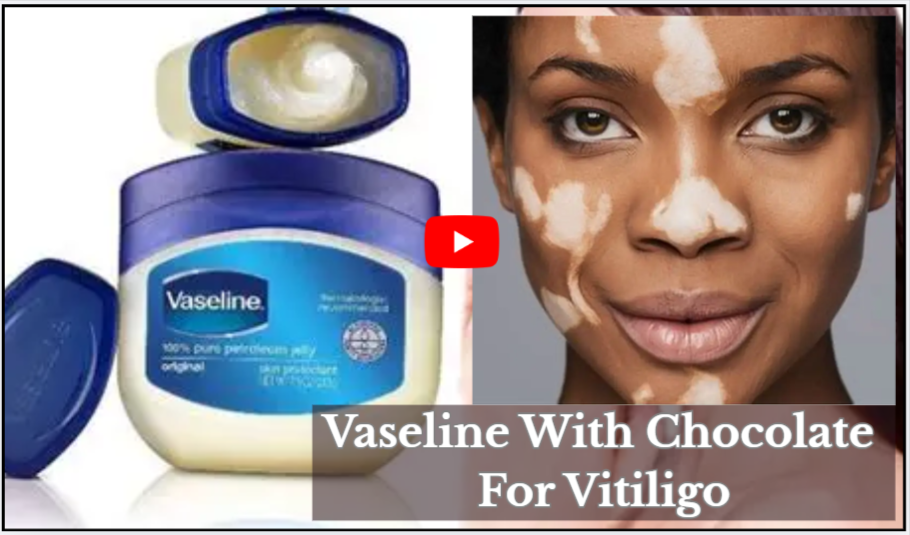

Social media posts claim that mixing petroleum jelly with chocolate can restore skin pigment and reduce white patches naturally.
Vaseline with chocolate does not treat vitiligo. It may moisturize skin, but it cannot restore lost pigment or cure depigmentation.
Understanding Vitiligo
Vitiligo is a chronic skin condition characterized by loss of pigmentation in patches. It occurs when melanocytes, the cells responsible for producing melanin, are destroyed or stop functioning.
Melanin gives skin its color. When melanocytes are damaged, white patches appear.
According to the American Academy of Dermatology, vitiligo affects people of all skin tones and may begin at any age. It is not contagious, but it can significantly impact emotional well-being.
Causes of Vitiligo
Although the exact cause isn’t fully understood, vitiligo is widely considered an autoimmune condition. The immune system mistakenly attacks melanocytes.
Other contributing factors include:
-
Genetic predisposition
-
Oxidative stress
-
Neurochemical triggers
-
Skin trauma (Koebner phenomenon)
-
Associated autoimmune diseases
Vitiligo is not caused by poor hygiene, diet alone, or external cosmetic factors.
What Is Vaseline?
Vaseline is a brand name for petroleum jelly, originally developed in the 19th century.
Petroleum jelly works by:
-
Creating an occlusive barrier
-
Locking in moisture
-
Protecting the skin from dryness
It is commonly used for:
-
Chapped lips
-
Minor cuts
-
Eczema support
-
Skin barrier repair
However, petroleum jelly does not contain any ingredients that stimulate melanin production. Moisturization does not equal repigmentation.
What Is Chocolate Made Of?
Chocolate primarily contains:
-
Cocoa solids
-
Cocoa butter
-
Sugar
-
Milk (in milk chocolate)
-
Flavonoids (in dark chocolate)
Dark chocolate contains antioxidants such as flavonoids that may help reduce oxidative stress when consumed.
But applying chocolate topically:
-
Does not deliver active compounds deep enough
-
Does not stimulate melanocytes
-
Has no clinical evidence supporting pigment restoration
There is no dermatological research proving that chocolate can reverse depigmentation.
Why Do People Believe in This Remedy?
Viral skin remedies often gain popularity because:
-
They are affordable
-
Ingredients are easily available
-
Natural remedies feel safer
-
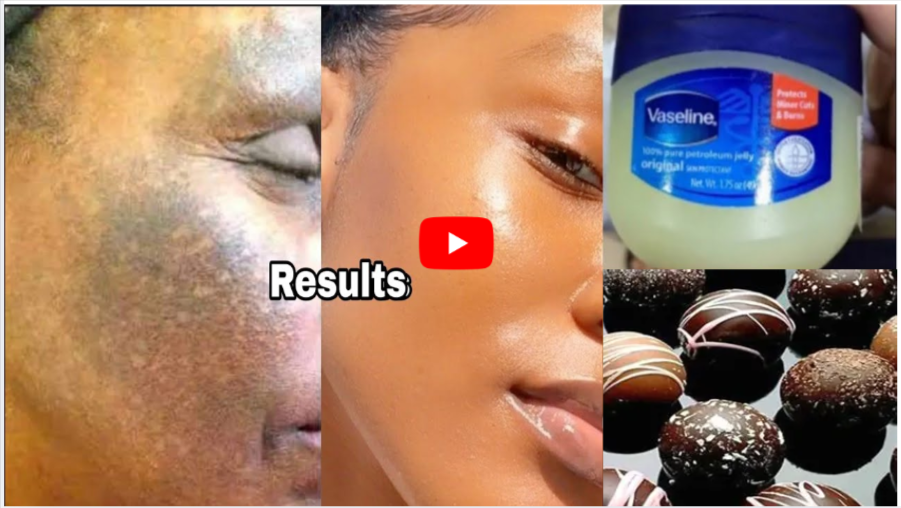
Before-and-after images circulate online
In vitiligo, some temporary visual effects may mislead users:
| Effect | What Actually Happens |
|---|---|
| Skin looks darker | Chocolate leaves surface staining |
| Skin looks smoother | Vaseline improves hydration |
| Patch appears blended | Light reflection changes |
These are temporary cosmetic effects, not true repigmentation. Surface staining is not the same as melanin restoration.
Scientific Reality: Can Vaseline With Chocolate Cure Vitiligo?
Short answer: No.
There is currently no scientific evidence that this mixture can:
-
Regenerate melanocytes
-
Stop autoimmune destruction
-
Restore lost pigment
-
Cure vitiligo
Vitiligo involves immune system dysfunction. A topical mixture of petroleum jelly and chocolate cannot modify immune activity.
Vitiligo treatment requires medical evaluation, not viral mixtures.
Potential Risks of Using This Mixture
Although it may seem harmless, using chocolate and Vaseline on vitiligo patches may pose risks:
-
Allergic reactions
-
Acne breakouts
-
Pore clogging
-
Skin irritation
-
Increased sun sensitivity (if not protected)
Vitiligo skin is often more sensitive and vulnerable to sunburn.
Applying untested substances may worsen irritation.
What Actually Works for Vitiligo?
Modern dermatology offers several evidence-based treatments.
1. Topical Corticosteroids
These reduce inflammation and may help early repigmentation.
2. Topical Calcineurin Inhibitors
Non-steroidal options for sensitive areas like the face.
3. Phototherapy
Narrowband UVB therapy stimulates melanocyte activity.
4. Excimer Laser
Targeted light therapy for localized patches.
5. Depigmentation Therapy
For extensive vitiligo to even out skin tone.
6. Surgical Options
Skin grafting or melanocyte transplantation in stable cases.
According to the National Institute of Arthritis and Musculoskeletal and Skin Diseases, treatment effectiveness depends on age, disease stability, and body location.
Early medical intervention increases the chances of repigmentation.
Role of Nutrition in Vitiligo
While diet alone cannot cure vitiligo, certain nutrients support skin health:
-
Vitamin B12
-
Folic acid
-
Vitamin D
-
Copper
-
Zinc
-
Antioxidants
Some studies suggest oxidative stress plays a role in melanocyte destruction.
A balanced diet may complement treatment but is not a cure.
Psychological Impact of Vitiligo
Vitiligo can significantly affect mental health.
Studies from the World Health Organization emphasize that visible skin conditions can impact self-esteem and social confidence.
Support strategies include:
-
Counseling
-
Support groups
-
Mindfulness therapy
-
Dermatology-guided care
Emotional support is just as important as physical treatment.
Safe Skin Care Routine for Vitiligo
Instead of viral mixtures, consider a dermatologist-approved routine:
Daily Care Checklist
-
Gentle cleanser
-
Fragrance-free moisturizer
-
Broad-spectrum sunscreen (SPF 30+)
-
Avoid harsh scrubs
-
Avoid chemical peels without medical advice
Sun protection is critical because depigmented skin burns easily.
Myths vs Facts
| Myth | Fact |
|---|---|
| Chocolate restores pigment | No clinical evidence |
| Vaseline cures vitiligo | Only moisturizes |
| Natural remedies are always safe | Not always tested |
| Vitiligo spreads by touch | Not contagious |
| Stress alone causes vitiligo | Autoimmune condition |
Believing myths can delay effective treatment.
Understanding Melanin Production
Melanin is produced by melanocytes through a process involving tyrosinase enzyme activity.
Effective treatments aim to:
-
Stimulate remaining melanocytes
-
Suppress immune attack
-
Encourage repigmentation
Chocolate and petroleum jelly do not influence these pathways.
When to See a Dermatologist
Consult a dermatologist if:
-
White patches spread rapidly
-
Hair turns white in affected areas
-
Patches appear on face or hands
-
Emotional distress increases
Early diagnosis allows better treatment planning.
Frequently Asked Questions
Can Vaseline darken vitiligo patches?
No. It only adds shine and hydration.
Can chocolate stimulate melanin?
There is no evidence that topical chocolate affects melanocytes.
Is there a natural cure?
Currently, no permanent natural cure exists.
Can vitiligo go away on its own?
Spontaneous repigmentation can occur but is unpredictable.
A Closer Look at Oxidative Stress
Oxidative stress is believed to contribute to melanocyte damage.
Some research explores antioxidants as supportive therapy.
However:
-
Oral antioxidants must be medically guided
-
Topical food mixtures are not standardized
-
Self-treatment may delay proper care
Scientific treatment should always take priority over internet trends.
The Emotional Side of Viral Remedies
People try home remedies because:
-
They feel hopeful
-
They seek affordable options
-
They want control over their condition
Hope is powerful, but it should be guided by evidence.
Trusting verified medical guidance protects both your skin and your confidence.
Final Verdict: Vaseline With Chocolate For Vitiligo
Let’s summarize clearly:
-
Vitiligo is an autoimmune condition
-
Melanin loss requires medical evaluation
-
Vaseline only moisturizes
-
Chocolate does not restore pigment
-
No scientific research supports this mixture
There is no clinical evidence that Vaseline with chocolate can treat or cure vitiligo.
Instead of experimenting with viral trends, consider consulting a qualified dermatologist and exploring evidence-based therapies. Your skin deserves science — not shortcuts.
