Acne is one of the most common skin concerns worldwide. From teenagers dealing with hormonal breakouts to adults struggling with stress-related blemishes, nearly everyone searches for a quick and affordable fix.
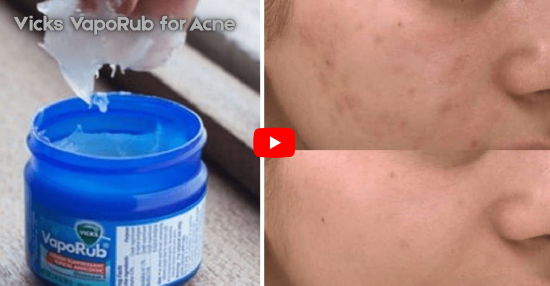

Vicks VapoRub for acne may dry pimples temporarily, but it can irritate skin and clog pores. Dermatologists don’t recommend it for acne treatment.
Among countless DIY remedies circulating online, one unusual suggestion keeps resurfacing: using Vicks VapoRub for acne.
What Is Vicks VapoRub?
Vicks VapoRub is a topical ointment commonly used for cough and cold relief. It has been manufactured for over a century and is widely recognized for its strong menthol aroma and cooling sensation.
The primary active ingredients include:
-
Camphor
-
Menthol
-
Eucalyptus oil
Its base consists of petroleum jelly and other emollients designed to soothe and coat the skin.
It was never formulated or tested as an acne treatment. Yet many people apply it to pimples hoping for overnight results.
Why Do People Use Vicks VapoRub for Acne?
There are a few reasons this remedy became popular:
-
The cooling sensation makes pimples feel less inflamed.
-
Menthol gives a temporary soothing effect.
-
Camphor has mild antimicrobial properties.
-
It is affordable and easily available.
Some users claim that pimples shrink overnight after applying it.
However, temporary improvement does not always mean true acne healing.
Understanding Acne: What Causes It?
Before applying any home remedy, it’s essential to understand what acne actually is.
Acne develops due to:
-
Excess oil (sebum) production
-
Clogged pores
-
Bacterial growth (Cutibacterium acnes)
-
Inflammation
-
Hormonal fluctuations
Effective acne treatments target one or more of these causes. Random products that are not designed for acne may disrupt your skin barrier.
Treating acne requires reducing inflammation, controlling oil, and preventing clogged pores, not simply drying out the surface.
Ingredient Breakdown: Is Vicks VapoRub Good for Acne?
Let’s examine the ingredients more closely.
1. Camphor
Camphor produces a cooling sensation and may have mild antimicrobial properties. However, it can irritate sensitive skin.
High concentrations of camphor may cause redness and burning.
2. Menthol
Menthol creates a soothing, cooling effect. This can make inflamed acne feel temporarily better.
But menthol does not treat clogged pores or excess oil production.
3. Eucalyptus Oil
Eucalyptus oil has antibacterial properties. However, essential oils can be irritating, especially on broken or inflamed skin.
4. Petroleum Jelly Base
Petroleum jelly is occlusive, meaning it seals moisture in.
While petroleum jelly itself is non-comedogenic in pure form, thick ointments combined with other ingredients may trap oil and bacteria under the skin.
Occlusion over active acne can sometimes worsen breakouts.
Does Vicks VapoRub Actually Help Acne?
There is no clinical evidence supporting Vicks VapoRub as an acne treatment.
What may happen instead:
-
The cooling sensation reduces the feeling of inflammation.
-
Skin may feel drier temporarily.
-
Pimples may look slightly less red due to constricted blood vessels.
However:
-
It does not unclog pores.
-
It does not regulate oil production.
-
It does not target acne-causing bacteria effectively.
-
It can irritate sensitive skin.
Relief of symptoms is not the same as treating the root cause.
Potential Risks of Using Vicks VapoRub on Acne
Using products not formulated for facial skin carries potential dangers.
Skin Irritation
Menthol and camphor can cause:
-
Burning sensation
-
Redness
-
Peeling
-
Allergic reactions
Contact Dermatitis
Prolonged use may trigger skin inflammation.
Worsening Acne
Heavy occlusive layers may trap debris in pores.
Increased Sensitivity
Applying strong ingredients can compromise your skin barrier.
Damaging the skin barrier can make acne harder to treat in the long term.
Who Should Avoid Using It?
You should not apply Vicks VapoRub to acne if you:
-
Have sensitive skin
-
Have rosacea
-
Have eczema
-
Have open wounds
-
Are using retinoids
-
Are using benzoyl peroxide
-
Are prone to allergic reactions
Facial skin is more delicate than chest or body skin. What works on the chest may not be safe for the face.
Dermatologist Perspective
Dermatologists generally do not recommend Vicks VapoRub for acne.
Why?
Because acne treatments require ingredients specifically studied for skin conditions. Evidence-based options include:
-
Benzoyl peroxide
-
Salicylic acid
-
Retinoids
-
Azelaic acid
-
Topical antibiotics
These ingredients are tested for safety and efficacy.
Using unproven remedies may delay effective treatment and increase the risk of scarring.
The Skin Barrier: Why It Matters in Acne Treatment
Your skin barrier is the outermost layer of your skin that protects against bacteria, pollutants, and moisture loss. When intact, it keeps your skin balanced and resilient. When damaged, it can trigger more breakouts.
Applying strong or inappropriate ingredients — such as menthol and camphor in high concentrations — may disrupt this protective barrier. Once compromised, the skin becomes more sensitive, inflamed, and prone to irritation.
A weakened skin barrier can actually increase oil production, leading to more acne.
Many people mistake the tingling or cooling sensation from products like Vicks VapoRub as a sign that the product is “working.” In reality, that sensation may indicate irritation rather than healing.
Maintaining a healthy barrier requires:
-
Gentle cleansing
-
Proper moisturization
-
Avoiding harsh DIY treatments
-
Consistent sun protection
Short-Term vs Long-Term Acne Management
One of the biggest problems with viral remedies is the focus on immediate results. Acne, however, is a chronic inflammatory condition that requires long-term strategy.
Short-Term Fixes Often:
-
Reduce redness temporarily
-
Dry out the top layer of skin
-
Create the illusion of improvement
-
Cause rebound breakouts
Long-Term Acne Management Focuses On:
-
Regulating oil production
-
Preventing clogged pores
-
Reducing bacterial growth
-
Minimizing inflammation
-
Preventing scarring
Real acne improvement takes weeks — not hours.
Common Mistakes People Make When Treating Acne
Many people worsen their acne unintentionally. Here are frequent mistakes:
-
Overwashing the face
-
Using too many active ingredients at once
-
Applying heavy ointments to inflamed pimples
-
Picking or squeezing lesions
-
Skipping sunscreen
-
Switching products too frequently
Consistency and patience are more powerful than aggressive treatments.
Ingredient Comparison: Cooling Sensation vs Real Treatment
| Property | Cooling Ingredients (Menthol/Camphor) | Acne Treatment Ingredients |
|---|---|---|
| Creates cooling feeling | Yes | Sometimes |
| Treats clogged pores | No | Yes |
| Regulates oil | No | Yes |
| Reduces acne bacteria | Minimal | Yes |
| Prevents new breakouts | No | Yes |
| Clinically tested for acne | No | Yes |
This comparison highlights the difference between sensation-based relief and true therapeutic benefit.
Skin Types and Reaction Risk
Different skin types react differently to strong topical products.
Oily Skin
-
May tolerate irritation slightly better
-
Still at risk for barrier damage
Dry Skin
-
More prone to peeling and redness
-
Higher irritation risk
Sensitive Skin
-
High likelihood of burning
-
Increased risk of dermatitis
Combination Skin
-
Irritation may appear in specific areas
Sensitive and acne-prone skin rarely responds well to strong essential oils.
Psychological Impact of Acne and Quick Fix Culture
Acne doesn’t just affect the skin — it affects confidence and emotional wellbeing. This emotional urgency often drives people to try unconventional remedies.
The desire for overnight results is understandable. However:
-
Stress can worsen acne
-
Frustration leads to overuse of products
-
Aggressive treatments may damage skin
Emotional pressure often fuels poor skincare decisions.
Building a steady, evidence-based routine helps both skin and confidence improve gradually.
Vicks VapoRub vs Proven Acne Treatments
| Feature | Vicks VapoRub | Salicylic Acid | Benzoyl Peroxide |
|---|---|---|---|
| Designed for acne | No | Yes | Yes |
| Unclogs pores | No | Yes | No |
| Kills acne bacteria | Limited | Mild | Yes |
| Reduces inflammation | Temporary | Yes | Yes |
| Clinically tested | No | Yes | Yes |
| Risk of irritation | High | Moderate | Moderate |
Evidence-based treatments outperform home remedies in both safety and effectiveness.
Why DIY Acne Hacks Go Viral
Social media often promotes:
-
Fast results
-
Cheap solutions
-
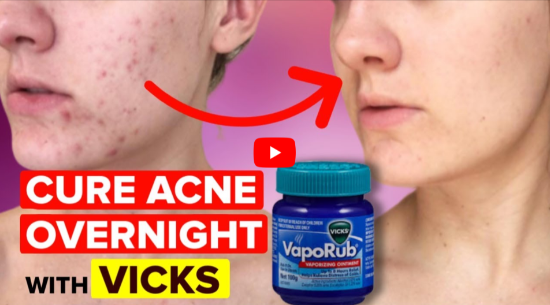
“Overnight miracle” claims
But skincare science is complex.
Quick fixes rarely solve chronic skin issues.
Many trends spread without scientific validation.
Safer Alternatives to Treat Acne
Instead of using Vicks VapoRub, consider these safer options:
1. Salicylic Acid
-
Penetrates pores
-
Removes excess oil
-
Reduces inflammation
2. Benzoyl Peroxide
-
Kills acne-causing bacteria
-
Reduces redness
3. Retinoids
-
Prevent clogged pores
-
Improve skin turnover
-
Reduce acne scars
4. Niacinamide
-
Calms inflammation
-
Strengthens skin barrier
5. Proper Cleansing Routine
-
Gentle cleanser twice daily
-
Avoid harsh scrubbing
Consistency matters more than experimentation.
When to See a Dermatologist
You should consult a professional if:
-
Acne is painful
-
Acne leaves scars
-
Breakouts persist for months
-
Over-the-counter products fail
Early treatment prevents long-term scarring.
Can Vicks VapoRub Make Acne Worse?
Yes, in some cases.
Possible outcomes:
-
Increased redness
-
Irritated bumps
-
Contact dermatitis
-
Secondary infection
If burning occurs, wash it off immediately.
Acne Types and Why Random Products Fail
Acne is not one single condition. It includes:
-
Whiteheads
-
Blackheads
-
Papules
-
Pustules
-
Nodules
-
Cysts
Different types require different approaches.
A chest rub cannot replace targeted dermatological therapy.
Long-Term Skin Health vs Short-Term Fix
Skincare should focus on:
-
Barrier protection
-
Controlled exfoliation
-
Sun protection
-
Medical-grade ingredients
Using products outside their intended purpose increases risk.
Healthy skin is built through routine, not viral hacks.
The Bottom Line
Vicks VapoRub is designed for cough and cold relief — not acne treatment.
While some ingredients may temporarily reduce redness or create a cooling sensation, it does not address the root causes of acne such as clogged pores, bacteria, and oil overproduction.
Using unproven remedies on your face can lead to irritation, worsened breakouts, and long-term skin damage.
If you’re struggling with acne, stick to dermatologist-recommended treatments that are scientifically supported. Your skin deserves evidence-based care — not viral experiments.
References Link
- Can I Use Vicks VapoRub on Acne?
https://www.healthline.com/health/vicks-for-acne
- Vicks VapoRub
.
