Introduction
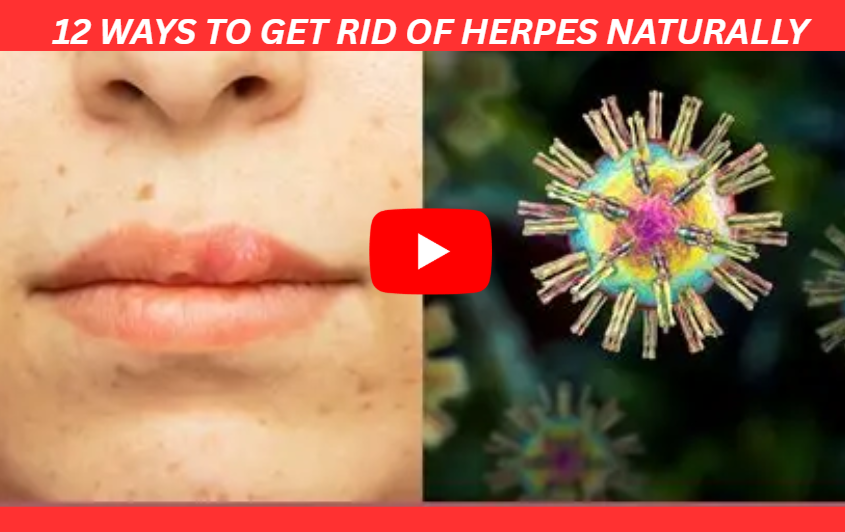
Herpes is one of the most common viral infections worldwide, affecting millions of people each year. Caused by the herpes simplex virus (HSV), herpes can appear as oral herpes (cold sores) or genital herpes.
Once a person becomes infected, the virus remains in the body and may reactivate periodically, leading to recurring outbreaks.
Many individuals search for natural ways to manage herpes symptoms, reduce outbreak frequency, and support their overall health.


While there is currently no proven natural cure that eliminates herpes from the body, several lifestyle changes, dietary strategies, and natural remedies may help support the immune system and reduce discomfort.
In this comprehensive guide, we’ll explore 12 natural approaches that may help manage herpes symptoms and improve overall well-being.
Understanding Herpes
Before discussing natural remedies, it is important to understand that herpes is caused by the herpes simplex virus.
Discover 12 ways to get rid of herpes naturally, manage symptoms, support immune health, reduce outbreaks, and promote overall wellness.
Types of Herpes
- HSV-1: Commonly causes oral herpes and cold sores around the mouth.
- HSV-2: Most commonly associated with genital herpes.
Common Symptoms
- Painful blisters or sores
- Itching or burning sensations
- Tingling before an outbreak
- Fever during initial infection
- Swollen lymph nodes
- Fatigue
Although herpes remains in the body for life, many people experience fewer outbreaks over time, especially when they maintain healthy lifestyle habits.
1. Increase Lysine Intake
Lysine is an essential amino acid often discussed in relation to herpes management.
Researchers have suggested that lysine may help balance the effects of arginine, another amino acid that may support viral replication.
Foods Rich in Lysine
- Fish
- Chicken
- Turkey
- Eggs
- Yogurt
- Cheese
- Lentils
Potential Benefits
- May help reduce outbreak frequency
- Supports tissue repair
- May shorten healing times in some individuals
2. Apply Lemon Balm
Lemon balm (Melissa officinalis) has been used in traditional medicine for centuries.
Several studies suggest that topical lemon balm preparations may help soothe herpes sores and support healing.
Benefits
- May reduce redness
- Helps soothe irritation
- Supports skin recovery
How to Use
- Lemon balm cream
- Herbal ointments
- Diluted herbal preparations
3. Boost Your Immune System with Vitamin C
A strong immune system plays an important role in controlling viral infections.
Vitamin C supports immune function and acts as a powerful antioxidant.
Excellent Sources
- Oranges
- Grapefruit
- Strawberries
- Bell peppers
- Kiwi
- Broccoli
Potential Benefits
- Supports immune health
- Assists tissue repair
- Helps combat oxidative stress
4. Increase Zinc Consumption
Zinc is a critical mineral involved in immune system function and wound healing.
Some research suggests that zinc may support recovery from herpes outbreaks.
Zinc-Rich Foods
- Oysters
- Pumpkin seeds
- Beef
- Chickpeas
- Cashews
Benefits
- Supports skin repair
- Helps immune function
- May aid healing processes
5. Reduce Stress Levels
Stress is one of the most commonly reported herpes triggers.
Physical and emotional stress can weaken immune defenses and contribute to outbreaks.
Stress Management Techniques
- Meditation
- Deep breathing exercises
- Yoga
- Walking
- Mindfulness
- Journaling
Why It Helps
Reducing stress may lower the risk of herpes reactivation and improve overall quality of life.
6. Prioritize Quality Sleep
Sleep is essential for immune health.
Individuals who experience chronic sleep deprivation may be more susceptible to infections and outbreaks.
Sleep Improvement Tips
- Maintain a consistent bedtime
- Avoid screens before sleep
- Limit caffeine late in the day
- Keep the bedroom cool and dark
Benefits
- Stronger immune response
- Better recovery
- Improved stress management
7. Stay Properly Hydrated
Hydration supports every system in the body, including immune function and skin health.
Hydration Tips
- Drink water consistently throughout the day
- Consume water-rich fruits and vegetables
- Limit sugary drinks
Benefits
- Supports healing
- Promotes healthy skin
- Aids overall wellness
8. Follow a Nutrient-Dense Diet
A healthy diet can strengthen the body’s defenses and support recovery.
Focus On
- Fruits
- Vegetables
- Whole grains
- Lean proteins
- Healthy fats
Limit
- Excess sugar
- Highly processed foods
- Excessive alcohol
A balanced diet supports long-term immune health and may help reduce inflammation.
9. Exercise Regularly
Regular physical activity supports cardiovascular health, mental well-being, and immune function.
Recommended Activities
- Walking
- Swimming
- Cycling
- Strength training
- Yoga
Benefits
- Improved circulation
- Better stress control
- Enhanced immune support
10. Use Cold Compresses for Symptom Relief
Cold therapy may provide temporary relief during outbreaks.
How to Use
- Wrap ice in a clean cloth.
- Apply gently to affected areas.
- Limit sessions to a few minutes at a time.
Benefits
- Reduces discomfort
- Helps minimize swelling
- Provides soothing relief
11. Identify and Avoid Personal Triggers
Every individual may have unique outbreak triggers.
Common Triggers
- Stress
- Fatigue
- Illness
- Hormonal changes
- Sun exposure
- Poor nutrition
Keep a Journal
Tracking symptoms and daily habits can help identify patterns and reduce future outbreaks.
12. Consider Vitamin E for Skin Support
Vitamin E is known for its antioxidant and skin-supportive properties.
Food Sources
- Almonds
- Sunflower seeds
- Spinach
- Avocados
Potential Benefits
- Supports healthy skin
- May help soothe irritation
- Contributes to tissue repair
Additional Lifestyle Tips for Managing Herpes Naturally
Practice Good Hygiene
- Wash your hands frequently
- Avoid touching sores
- Keep affected areas clean
Protect Against Excessive Sun Exposure
Sunlight may trigger oral herpes outbreaks in some individuals.
Use:
- SPF lip balm
- Sunscreen
- Protective clothing
Maintain a Healthy Weight
Overall health and immune function are closely connected.
When to Seek Medical Care
Natural remedies can support symptom management, but medical evaluation is important if:
- Symptoms become severe
- Outbreaks are frequent
- Sores do not heal properly
- Eye symptoms develop
- You have a weakened immune system
Prescription antiviral medications remain the most effective medical treatment for reducing outbreak duration and recurrence.
Final Thoughts
While there is currently no natural cure for herpes, many individuals find that healthy lifestyle habits and natural supportive therapies help reduce symptom severity and improve overall wellness.
Strategies such as increasing lysine intake, reducing stress, improving sleep, staying hydrated, eating a nutrient-rich diet, and supporting immune health may help manage outbreaks more effectively.
Combining these natural approaches with professional medical guidance offers the best opportunity for long-term symptom control and improved quality of life.
References
- https://www.mayoclinic.org/diseases-conditions/genital-herpes/symptoms-causes/syc-20356161
- https://en.wikipedia.org/wiki/Herpes_simplex
