Sciatica pain can be one of the most uncomfortable and limiting conditions a person experiences. It often starts in the lower back and travels through the hips, buttocks, and down one leg,
sometimes causing sharp pain, tingling, numbness, or even weakness. For many people, the pain can interfere with walking, sitting, sleeping, and daily activities.
The good news is that in most cases, sciatica can be managed and significantly reduced at home using natural methods.


While severe cases may require medical attention, many individuals find relief through simple lifestyle changes, gentle exercises, and home remedies.
In this guide, we explore 12 effective ways to get rid of sciatica pain instantly at home naturally, helping you regain comfort and mobility.
Understanding Sciatica Pain
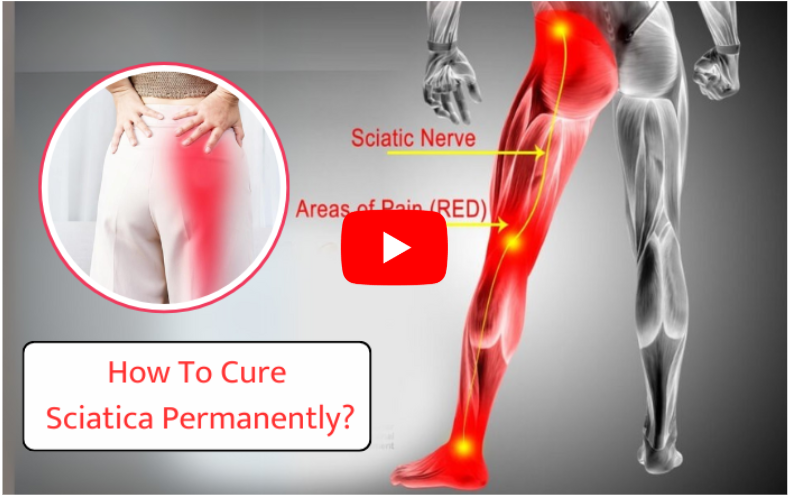
Sciatica is not a disease itself but a symptom of irritation or compression of the sciatic nerve—the largest nerve in the human body. This nerve runs from the lower spine through the hips and down each leg.
Common causes include:
- Herniated or slipped disc
- Muscle tightness (especially the piriformis muscle)
- Spinal stenosis
- Injury or poor posture
- Long periods of sitting
Symptoms often include:
- Sharp or burning pain in the lower back or leg
- Tingling or “pins and needles” sensation
- Numbness in the affected leg
- Pain that worsens while sitting or bending
Understanding the cause helps in choosing the right natural treatment approach.
1. Apply Cold Therapy for Immediate Pain Relief
Cold therapy is one of the fastest ways to reduce sciatica pain at home. It helps numb the area and reduces inflammation around the sciatic nerve.
How to use:
- Wrap an ice pack in a towel
- Apply it to the lower back for 15–20 minutes
- Repeat every 2–3 hours during acute pain
Cold therapy is especially helpful in the first 48–72 hours of a flare-up.
2. Use Heat Therapy to Relax Muscles
After the initial inflammation has reduced, heat therapy can help relax tight muscles that may be compressing the nerve.
Benefits of heat therapy:
- Improves blood circulation
- Reduces muscle stiffness
- Promotes healing and relaxation
How to use:
- Use a heating pad or a warm towel
- Apply for 15–30 minutes
- Avoid overheating the skin
3. Gentle Sciatic Nerve Stretches
Stretching helps release pressure on the sciatic nerve and improves flexibility in the lower back and hips.
Helpful stretches include:
- Knee-to-chest stretch
- Piriformis stretch
- Hamstring stretch
- Child’s pose
Perform stretches slowly and avoid forcing movements. Consistency is more important than intensity.
4. Stay Active With Light Movement
While rest is important during severe pain, too much rest can worsen sciatica. Light movement helps keep the spine flexible and improves blood flow.
Recommended activities:
- Walking
- Gentle yoga
- Swimming
- Light cycling
Avoid prolonged bed rest, as it can increase stiffness and pain.
5. Improve Your Posture
Poor posture is one of the leading triggers of sciatic pain, especially for people who sit for long hours.
Posture tips:
- Sit with your back straight
- Keep feet flat on the floor
- Avoid slouching
- Use a lumbar support cushion
Good posture reduces pressure on the sciatic nerve.

6. Try Epsom Salt Baths
Epsom salt contains magnesium, which may help relax muscles and reduce inflammation.
How to use:
- Add 1–2 cups of Epsom salt to warm bath water
- Soak for 15–20 minutes
- Repeat 2–3 times weekly
This method also helps reduce stress and improve sleep quality.
7. Massage Therapy at Home
A gentle massage can help release tight muscles around the lower back, hips, and buttocks.
Benefits include:
- Improved blood circulation
- Reduced muscle tension
- Temporary pain relief
You can use natural oils like coconut or mustard oil for added effect.
8. Practice Yoga for Sciatica Relief
Yoga is highly effective for long-term sciatica management. It improves flexibility, strengthens core muscles, and reduces nerve compression.
Best yoga poses:
- Downward dog
- Cobra pose
- Pigeon pose
- Cat-cow stretch
Practice slowly and avoid overstretching.
9. Maintain a Healthy Sleeping Position
Your sleeping posture plays a major role in sciatica pain levels.
Best sleeping positions:
- Sleeping on your back with a pillow under your knees
- Side sleeping with a pillow between legs
Avoid sleeping on the stomach as it strains the spine.
10. Use Over-the-Counter Natural Supplements (Optional)
Some natural supplements may support nerve health and reduce inflammation.
Common options include:
- Magnesium
- Vitamin B12
- Turmeric (curcumin)
- Omega-3 fatty acids
Always consult a healthcare provider before starting supplements.
11. Reduce Inflammation With a Natural Diet
What you eat can directly affect inflammation levels in the body.
Anti-inflammatory foods:
- Leafy greens
- Berries
- Nuts and seeds
- Ginger and turmeric
- Fatty fish
Foods to avoid:
- Processed foods
- Excess sugar
- Deep-fried items
A healthy diet supports faster healing.
12. Try Deep Breathing and Relaxation Techniques
Stress can increase muscle tension, making sciatica worse. Relaxation techniques help calm the nervous system.
Try:
- Deep breathing exercises
- Meditation
- Progressive muscle relaxation
These techniques can reduce pain perception and improve overall comfort.
Recovery Timeline for Sciatica
Recovery varies depending on severity:
- Mild sciatica: 1–2 weeks
- Moderate cases: 2–6 weeks
- Severe cases: 6+ weeks or medical intervention required
Consistency in treatment is key to faster recovery.
Common Myths About Sciatica
Myth 1: Bed rest is best
❌ False — too much rest worsens stiffness
Myth 2: Sciatica is a disease
❌ False — it is a symptom of nerve compression
Myth 3: Only surgery cures sciatica
❌ False — most cases improve without surgery

Daily Routine for Faster Relief
Morning:
- Gentle stretching
- Short walk
- Hydration
Afternoon:
- Posture correction
- Light movement breaks
Evening:
- Heat therapy
- Yoga or stretching
Night:
- Proper sleeping posture
- Relaxation breathing
Prevention Tips for Long-Term Relief
- Maintain a healthy weight
- Exercise regularly
- Strengthen core muscles
- Avoid long sitting hours
- Lift objects correctly
- Maintain ergonomic workspace
Prevention is the most powerful long-term solution.
When to Seek Medical Help
While home remedies are effective for many people, you should seek medical attention if:
- Pain lasts longer than 2–3 weeks
- Pain is severe or worsening
- You experience loss of bladder or bowel control
- There is a significant weakness in the leg
Professional evaluation ensures there are no serious underlying conditions.
Final Thoughts
Sciatica pain can be frustrating, but in most cases, it can be managed naturally at home with the right combination of movement, stretching, posture correction, and lifestyle changes.
The key is consistency and avoiding activities that worsen the condition.
By following these 12 natural ways to relieve sciatica pain instantly at home, you can significantly reduce discomfort and improve your quality of life over time.
Always listen to your body, and if symptoms persist, consult a healthcare professional for personalized treatment.
References
