Indroduction
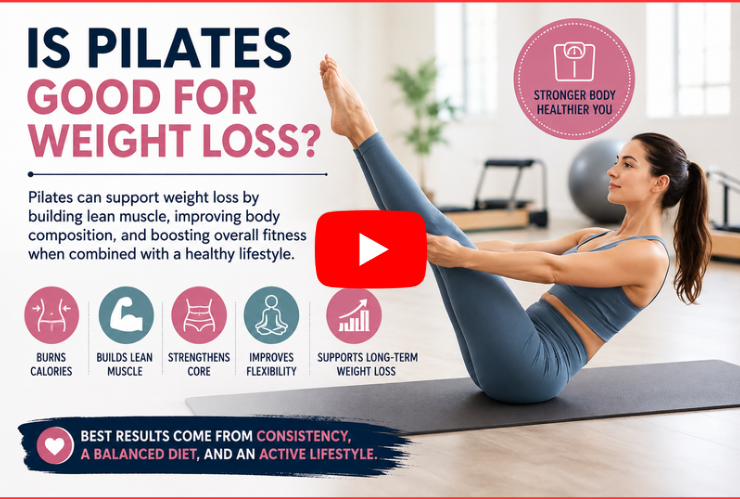
The short answer is yes, Pilates can support weight loss, but it works differently than high-intensity workouts like running, cycling, or HIIT training.
Pilates helps build lean muscle, improve posture, strengthen the core, increase body awareness, and encourage long-term fitness habits.
When combined with a healthy diet and an active lifestyle, it can become a valuable tool in your weight-loss journey.
Many people choose Pilates because it’s low-impact, beginner-friendly, and suitable for a wide range of fitness levels.


While it may not burn as many calories as some cardio exercises, it offers numerous benefits that contribute to a healthier body composition and improved overall wellness.
In this comprehensive guide, we’ll explore how Pilates affects weight loss, its benefits, calorie-burning potential, and how you can maximize your results.
What Is Pilates?
Pilates is a form of exercise developed by Joseph Pilates in the early 20th century. It focuses on controlled movements, proper breathing, flexibility, posture, balance, and core strength.
Unlike traditional strength training that often relies on heavy weights, Pilates uses body weight, resistance springs, reformers, and controlled movements to strengthen muscles throughout the body.
There are two primary forms of Pilates:
Mat Pilates
Performed on a mat using body weight and minimal equipment.
Reformer Pilates
Uses a specialized machine called a reformer that provides resistance through springs and pulleys.
Both forms can improve strength, flexibility, and body awareness while helping individuals stay active consistently.
The Short Answer: Yes, Pilates Can Help With Weight Loss
Many fitness experts agree that Pilates can contribute to weight loss when combined with proper nutrition and consistent exercise habits.
Pilates alone may not create dramatic weight loss overnight, but it can support the factors that make weight loss successful and sustainable.
Weight loss fundamentally occurs when you burn more calories than you consume. Exercise helps create this calorie deficit, while diet often plays the largest role in achieving and maintaining weight loss.
Pilates contributes by
- Increasing daily calorie expenditure
- Building lean muscle mass
- Improving posture and movement efficiency
- Supporting long-term exercise consistency
- Reducing stress levels
- Enhancing body awareness
These benefits collectively help many people achieve healthier body composition over time.
How Pilates Supports Weight Loss?
1. Burns Calories
Although Pilates isn’t known as a high-calorie-burning workout, it still contributes to your daily energy expenditure.
Research suggests that a 30-minute beginner Pilates session may burn around 100–120 calories, while more advanced classes can burn significantly more depending on intensity and body weight.
The exact number depends on factors such as:
- Age
- Weight
- Fitness level
- Exercise intensity
- Duration of the workout
Over weeks and months, these calories add up and contribute to weight management.
2. Builds Lean Muscle
One of Pilates’ greatest strengths is its ability to develop lean muscle throughout the body.
Muscle tissue requires more energy than fat tissue, even when you’re resting. As you build muscle through consistent Pilates practice, your resting metabolic rate may gradually improve.
Benefits of increased muscle mass include:
- Better calorie utilization
- Improved body composition
- Enhanced strength
- More toned appearance
- Increased physical performance
This is one reason many people notice their clothes fitting better even before significant weight loss occurs.
3. Improves Body Composition
Weight isn’t always the best measure of progress.
Many Pilates practitioners experience:
- Reduced waist circumference
- Better muscle definition
- Improved posture
- Increased core strength
- Lower body fat percentage
Studies have shown that regular Pilates participation can improve body measurements and overall fitness.
As a result, you may look leaner and feel stronger even if the scale doesn’t change dramatically.
4. Encourages Consistency
One of the biggest challenges in weight loss is sticking with an exercise program.
Pilates offers several advantages:
- Low-impact movements
- Minimal joint stress
- Suitable for beginners
- Adaptable for all fitness levels
- Can be performed at home or in studios
Because many people genuinely enjoy Pilates, they are often more likely to continue doing it long-term. Consistency is one of the most important factors in successful weight management.
5. Reduces Stress and Emotional Eating
Stress can negatively affect weight-loss efforts.
High stress levels may lead to:
- Emotional eating
- Poor food choices
- Increased cravings
- Sleep disruptions
Pilates incorporates controlled breathing, mindfulness, and body awareness, which may help reduce stress and promote mental well-being.
When stress is managed effectively, maintaining healthy eating habits often becomes easier.
How Many Calories Does Pilates Burn?
The number of calories burned varies depending on workout type and intensity.
Estimated Calories Burned in 30 Minutes
| Pilates Type | Approximate Calories Burned |
|---|---|
| Beginner Mat Pilates | 100–120 |
| Intermediate Pilates | 130–180 |
| Advanced Pilates | 160–250 |
| Reformer Pilates | 180–300 |
These numbers are estimates and vary by individual.
While Pilates generally burns fewer calories than activities like running or cycling, it offers additional benefits such as strength development, flexibility, and improved body composition.
Pilates vs Cardio for Weight Loss
Many people wonder whether Pilates or cardio is better for losing weight.
Cardio Advantages
Cardio workouts typically:
- Burn more calories quickly
- Improve cardiovascular health
- Increase endurance
- Support larger calorie deficits
Examples include:
- Running
- Swimming
- Cycling
- Brisk walking
Pilates Advantages
Pilates focuses on:
- Core strength
- Muscle toning
- Flexibility
- Posture
- Balance
- Injury prevention
The best approach is often combining both forms of exercise. Many experts recommend pairing Pilates with regular cardio activity for optimal weight-loss results.
Can Pilates Help Burn Belly Fat?
This is one of the most common questions people ask.
The truth is that no exercise can specifically target belly fat alone.
However, Pilates can help by:
- Strengthening abdominal muscles
- Improving core stability
- Increasing overall calorie expenditure
- Supporting total-body fat reduction
As body fat decreases through regular exercise and healthy nutrition, belly fat typically decreases as well.
Many people notice a flatter-looking stomach because Pilates strengthens deep core muscles and improves posture.
Reformer Pilates for Weight Loss
Reformer Pilates has become increasingly popular among people seeking weight-loss support.
The reformer machine adds resistance, which can:
- Increase workout intensity
- Challenge muscles more effectively
- Burn additional calories
- Improve strength gains
Benefits include:
- Full-body workouts
- Greater resistance training
- Enhanced muscle engagement
- Increased calorie burn
Many individuals find reformer sessions more physically demanding than traditional mat Pilates.
How Often Should You Do Pilates for Weight Loss?
For noticeable results, consistency is key.
Beginner Schedule
- 2–3 sessions per week
Intermediate Schedule
- 3–5 sessions per week
Advanced Schedule
- 4–6 sessions per week
Combining Pilates with:
- Walking
- Cycling
- Strength training
- Healthy eating
can significantly improve outcomes.
Experts generally recommend at least 150 minutes of moderate physical activity per week for health and weight management.

What Results Can You Expect?
After 2 Weeks
You may notice:
- Better posture
- Increased flexibility
- Improved energy
- Reduced stiffness
After 1 Month
Many people experience:
- Improved muscle tone
- Better balance
- Enhanced core strength
- Greater workout endurance
After 2–3 Months
Potential changes include:
- Smaller waistline
- Leaner appearance
- Increased muscle definition
- Improved body composition
- Gradual weight loss
Results vary based on diet, consistency, age, and overall activity level.
Best Pilates Exercises for Weight Loss
The Hundred
A classic Pilates movement that activates the core and increases circulation.
Roll-Up
Strengthens abdominal muscles and improves flexibility.
Leg Circles
Targets hips, thighs, and core stability.
Plank Variations
Builds total-body strength while increasing calorie expenditure.
Swimming Exercise
Works the back, glutes, and core simultaneously.
Side Kicks
Engages hips, thighs, and abdominal muscles.
Teaser
Challenges balance, coordination, and core strength.
Tips to Maximize Weight Loss With Pilates
Follow a Balanced Diet
Nutrition remains one of the most important factors in weight loss. A calorie deficit is generally required for weight reduction.
Focus On:
- Lean proteins
- Vegetables
- Fruits
- Whole grains
- Healthy fats
Add Walking
Walking complements Pilates perfectly.
Benefits include:
- Increased calorie burn
- Improved cardiovascular fitness
- Better recovery
Aim for 7,000–10,000 steps daily if possible.
Include Strength Training
Additional resistance training can:
- Build more muscle
- Increase metabolism
- Enhance body composition
Even 1–2 weekly sessions can help.
Stay Hydrated
Proper hydration supports:
- Workout performance
- Recovery
- Appetite control
Prioritize Sleep
Poor sleep can negatively impact:
- Hunger hormones
- Energy levels
- Weight-loss progress
Aim for 7–9 hours nightly.
Common Myths About Pilates and Weight Loss
Myth 1: Pilates Doesn’t Burn Calories
False.
Pilates burns calories and contributes to overall energy expenditure.
Myth 2: Pilates Is Only for Women
False.
Pilates was created by a man and benefits people of all genders.
Myth 3: Pilates Only Works the Core
False.
Pilates engages muscles throughout the entire body.
Myth 4: You Need Expensive Equipment
False.
Many effective Pilates workouts require only a mat and your body weight.
Myth 5: Pilates Is Too Easy
False.
Advanced Pilates sessions can be highly challenging and physically demanding.
Who Should Try Pilates?
Pilates is ideal for:
- Beginners
- Older adults
- People recovering from injuries
- Individuals with joint concerns
- Busy professionals
- Anyone seeking low-impact exercise
It is especially appealing for people who dislike traditional gym workouts but still want to stay active.
Harvard Health notes that Pilates can improve posture, support bone health, enhance mental well-being, and provide a low-impact exercise option for many adults.
Final Thoughts
Yes, Pilates is a good option for weight loss when incorporated into a balanced and healthy lifestyle. While it may not burn as many calories as high-intensity cardio workouts, Pilates offers unique benefits that support long-term weight management.
Regular practice helps build lean muscle, improve body composition, strengthen the core, enhance flexibility, and boost overall fitness.
It also promotes better posture, body awareness, and consistency with exercise, which are all important factors for sustainable results.
Ultimately, the best exercise is one that you enjoy and can maintain over time. If Pilates keeps you motivated, active, and committed to your health goals, it can be a valuable and effective part of your weight-loss journey.
References
