Indroduction
Neuropathy affects millions of people worldwide and can significantly impact daily life. Symptoms such as tingling, numbness, burning sensations, weakness, and chronic pain often make even simple activities difficult.
As more people search for natural ways to manage their symptoms, the term Neuropathy Honey Remedy has gained attention online.
Honey has been used for centuries in traditional medicine for its healing, antibacterial, and anti-inflammatory properties.
Many natural health enthusiasts believe that certain types of honey, particularly raw and Manuka honey, may help support nerve health and reduce inflammation associated with neuropathy.


While honey is not a cure for nerve damage, its nutritional properties may contribute to overall wellness when used as part of a healthy lifestyle.
In this guide, we’ll explore the potential connection between honey and neuropathy, discuss popular honey remedies, examine the science behind honey’s health benefits, and explain how honey may fit into a broader neuropathy management plan.
What Is Neuropathy?
Neuropathy, often called peripheral neuropathy, occurs when nerves outside the brain and spinal cord become damaged.
These nerves are responsible for transmitting signals between the brain and the rest of the body.
Common symptoms of neuropathy include:
- Tingling in the hands and feet
- Burning sensations
- Numbness
- Muscle weakness
- Sharp or stabbing pain
- Sensitivity to touch
- Balance difficulties
Neuropathy can result from numerous underlying conditions, including:
- Diabetes
- Vitamin deficiencies
- Autoimmune diseases
- Alcohol abuse
- Certain medications
- Infections
- Physical injuries
- Genetic disorders
Because neuropathy can have multiple causes, treatment usually focuses on addressing the underlying condition while managing symptoms and supporting nerve health.
Why Is Honey Considered a Natural Remedy for Neuropathy?
Honey contains a variety of naturally occurring compounds that may support overall health. These include:
- Antioxidants
- Flavonoids
- Polyphenols
- Amino acids
- Vitamins and minerals
- Natural enzymes
Researchers have discovered that oxidative stress and inflammation can contribute to nerve damage and worsen neuropathy symptoms. Honey’s antioxidant and anti-inflammatory properties have sparked interest in its potential role as a complementary wellness tool.
Although current research does not prove that honey can cure neuropathy, it may help support the body’s natural defense systems and promote overall health.
The Science Behind Honey and Nerve Health
Antioxidant Benefits
One of honey’s most recognized health benefits is its antioxidant content.
Antioxidants help neutralize harmful free radicals that can damage cells and tissues throughout the body. Excessive oxidative stress has been linked to chronic inflammation and nerve damage.
Certain varieties of honey contain higher concentrations of antioxidants than others. These compounds may help support healthy cellular function and protect nerve tissues from oxidative stress.
For individuals dealing with neuropathy, reducing oxidative stress may be an important part of supporting long-term nerve health.
Anti-Inflammatory Properties
Chronic inflammation is often associated with many health conditions, including some forms of neuropathy.
Honey contains natural compounds that may help reduce inflammatory responses in the body. Lower levels of inflammation may contribute to improved comfort and overall wellness.
While more research is needed to understand honey’s direct effects on neuropathy symptoms, its anti-inflammatory properties remain one of the primary reasons it is often included in natural health routines.
Neuroprotective Potential
Emerging research suggests that honey may possess neuroprotective properties.
Neuroprotection refers to mechanisms that help preserve the structure and function of nerve cells.
Laboratory studies have shown that compounds found in honey may:
- Support healthy nerve signaling
- Reduce cellular damage
- Improve resistance to oxidative stress
- Promote nervous system health
Although these findings are promising, more human studies are necessary before honey can be recommended as a targeted neuropathy treatment.
Best Types of Honey for Neuropathy Support
Raw Honey
Raw honey is minimally processed and retains many naturally occurring nutrients and enzymes.
Potential benefits include:
- Higher antioxidant content
- Natural antibacterial properties
- Minimal processing
- Rich source of beneficial compounds
Many people prefer raw honey because it preserves more of honey’s natural characteristics.
Manuka Honey
Manuka honey is produced from the nectar of the Manuka plant found primarily in New Zealand.
This unique honey is known for:
- High antioxidant activity
- Strong antibacterial properties
- Unique bioactive compounds
- Premium quality standards
Although Manuka honey is widely used for wound healing and immune support, scientific evidence supporting its use specifically for neuropathy remains limited.
Buckwheat Honey
Buckwheat honey is darker than other varieties and often contains higher levels of antioxidants.
Benefits may include:
- Strong antioxidant support
- Rich nutrient profile
- Robust flavor
- Natural wellness support
Many health-conscious individuals choose darker honey varieties for their enhanced antioxidant content.
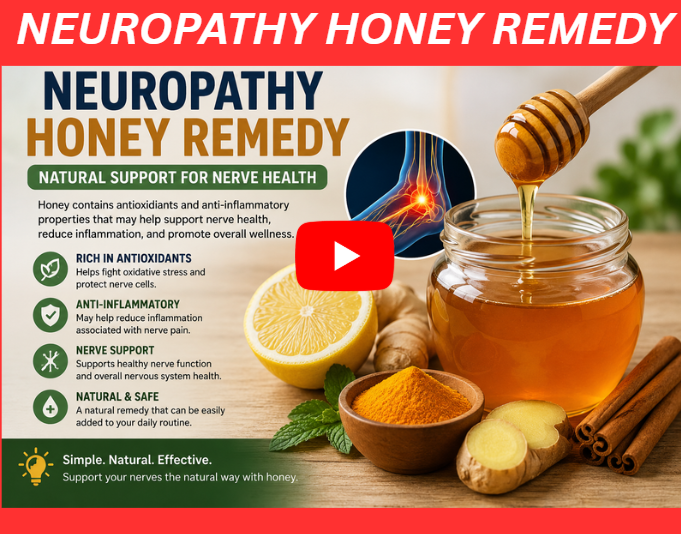

Popular Neuropathy Honey Remedies
Honey and Warm Water
One of the simplest honey remedies involves mixing a tablespoon of raw honey into warm water.
Benefits may include:
- Increased hydration
- Antioxidant intake
- Digestive support
- Easy daily wellness habit
Many people consume this drink first thing in the morning.
Honey and Cinnamon
Honey and cinnamon are commonly paired in traditional wellness practices.
Ingredients:
- 1 tablespoon raw honey
- ½ teaspoon cinnamon
Mix thoroughly and consume once daily.
Both ingredients contain natural antioxidants that may contribute to overall health.
Honey and Turmeric
Turmeric contains curcumin, a compound known for its anti-inflammatory properties.
To prepare:
- 1 tablespoon honey
- ½ teaspoon turmeric powder
Mix well and consume daily as part of a healthy routine.
Honey Lemon Drink
A warm honey lemon drink provides antioxidants and hydration.
Ingredients:
- Warm water
- Fresh lemon juice
- 1 tablespoon honey
This refreshing beverage can easily be incorporated into a daily wellness regimen.
Honey and Ginger Mixture
Ginger has long been valued for its antioxidant and anti-inflammatory properties.
Combine:
- Freshly grated ginger
- 1 tablespoon honey
Many individuals enjoy this combination to support overall wellness.
Can Honey Actually Reduce Neuropathy Pain?
Many people searching for a neuropathy honey remedy hope to find natural relief from pain, tingling, and numbness.
Currently, scientific evidence does not confirm that consuming honey directly reduces neuropathic pain or reverses nerve damage.
However, honey may contribute to:
- Reduced oxidative stress
- Improved overall nutrition
- Better immune support
- Enhanced wellness habits
Some individuals report feeling better after incorporating honey into a healthy lifestyle, but results vary widely.
Honey should be viewed as a supportive dietary addition rather than a standalone treatment.
Honey and Diabetic Neuropathy
Diabetic neuropathy is among the most common forms of nerve damage.
Because honey contains natural sugars, individuals with diabetes should exercise caution.
Important considerations include:
- Monitor blood sugar levels regularly
- Consume honey in moderation
- Account for honey in daily carbohydrate intake
- Consult a healthcare provider before making dietary changes
While honey contains beneficial compounds, excessive consumption may negatively impact blood glucose control.
For diabetic neuropathy, maintaining healthy blood sugar levels remains one of the most effective ways to protect nerve health.
Lifestyle Habits That Complement Honey Consumption
Eat a Balanced Diet
Nutrition plays a crucial role in nerve health.
Focus on foods rich in:
- B vitamins
- Vitamin D
- Magnesium
- Omega-3 fatty acids
- Antioxidants
- Lean proteins
A nutrient-rich diet helps support healthy nerve function.
Exercise Regularly
Regular physical activity may help:
- Improve circulation
- Reduce discomfort
- Support mobility
- Promote healthy blood sugar levels
Activities such as walking, swimming, yoga, and stretching can be beneficial for many people with neuropathy.
Prioritize Sleep
Quality sleep is essential for overall health.
Benefits of adequate sleep include:
- Improved recovery
- Better pain management
- Enhanced nervous system function
- Reduced stress
Aim for seven to nine hours of sleep per night whenever possible.
Stay Hydrated
Proper hydration supports circulation and overall wellness.
Many honey-based remedies encourage fluid intake, which may contribute to better hydration habits.
Manage Stress
Chronic stress can negatively impact overall health and may worsen discomfort.
Stress-management techniques include:
- Meditation
- Deep breathing exercises
- Gentle movement
- Mindfulness practices
- Spending time outdoors
These habits may help support overall well-being.
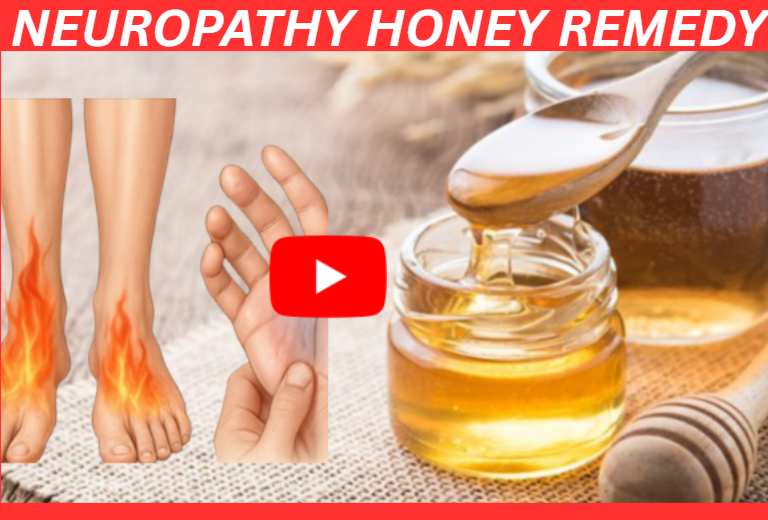
Additional Natural Nutrients That Support Nerve Health
While honey may be beneficial as part of a healthy lifestyle, other nutrients are also important for nerve function.
Vitamin B12
Vitamin B12 plays a critical role in maintaining healthy nerves.
Deficiency can contribute to neuropathy symptoms.
Sources include:
- Fish
- Meat
- Eggs
- Dairy products
- Fortified foods
Alpha-Lipoic Acid
Alpha-lipoic acid is an antioxidant that has been studied for its potential role in supporting nerve health.
Omega-3 Fatty Acids
Omega-3 fats may help reduce inflammation and support healthy nerve function.
Sources include:
- Salmon
- Sardines
- Flaxseeds
- Chia seeds
- Walnuts
Magnesium
Magnesium supports muscle and nerve function and may contribute to overall wellness.
Potential Risks of Using Honey
Although honey is generally safe for most adults, it is important to understand potential risks.
High Sugar Content
Honey is still a form of sugar and should be consumed in moderation.
Allergic Reactions
Individuals with allergies to bee products or pollen may experience allergic responses.
Blood Sugar Concerns
People with diabetes should monitor glucose levels carefully when consuming honey.
Infant Safety
Honey should never be given to infants under one year of age because of the risk of infant botulism.
When Should You See a Healthcare Provider?
Natural remedies can complement medical care, but they should never replace professional diagnosis and treatment.
Seek medical attention if you experience:
- Severe pain
- Sudden weakness
- Rapidly worsening symptoms
- Loss of balance
- Persistent numbness
- Foot ulcers or wounds
- Difficulty performing daily activities
Early intervention may help prevent further nerve damage and improve outcomes.
Frequently Asked Questions
What is the best honey for neuropathy?
Raw honey and Manuka honey are the most commonly discussed options due to their antioxidant content. However, no specific type of honey has been proven to treat neuropathy.
How much honey should I consume daily?
Most people use one to two tablespoons daily as part of a balanced diet. Individual needs may vary.
Can honey repair damaged nerves?
There is currently no scientific evidence showing that honey can regenerate damaged nerves in humans.
Is Manuka honey better than regular honey?
Manuka honey contains unique antibacterial compounds and high antioxidant activity, but its specific benefits for neuropathy have not been proven.
Can diabetics use honey?
People with diabetes may be able to consume honey in moderation, but they should monitor their blood sugar levels and consult their healthcare provider.
Final Thoughts
The growing interest in the Neuropathy Honey Remedy reflects a broader desire for natural approaches to wellness and nerve health.
Honey contains antioxidants, anti-inflammatory compounds, and beneficial nutrients that may support overall health and help combat oxidative stress.
However, current scientific evidence does not support the claim that honey can cure neuropathy or reverse nerve damage.
Instead, honey may serve as a complementary part of a healthy lifestyle that includes proper nutrition, regular exercise, stress management, quality sleep, and appropriate medical care.
For individuals living with neuropathy, the best approach remains a comprehensive treatment plan that addresses underlying causes while supporting overall nerve health.
Honey can be a flavorful and potentially beneficial addition to that plan when used responsibly and in moderation.
References
