Introduction
A bright, white smile is one of the most sought-after cosmetic goals today. From professional dental whitening treatments to at-home whitening kits, people are constantly searching for effective ways to remove stains and improve the appearance of their teeth.
One emerging trend that has attracted attention is Red Light Therapy for Teeth Whitening.
Light-based dental treatments have become increasingly popular, leading many people to wonder whether red light therapy can help whiten teeth, improve oral health, and enhance whitening results.
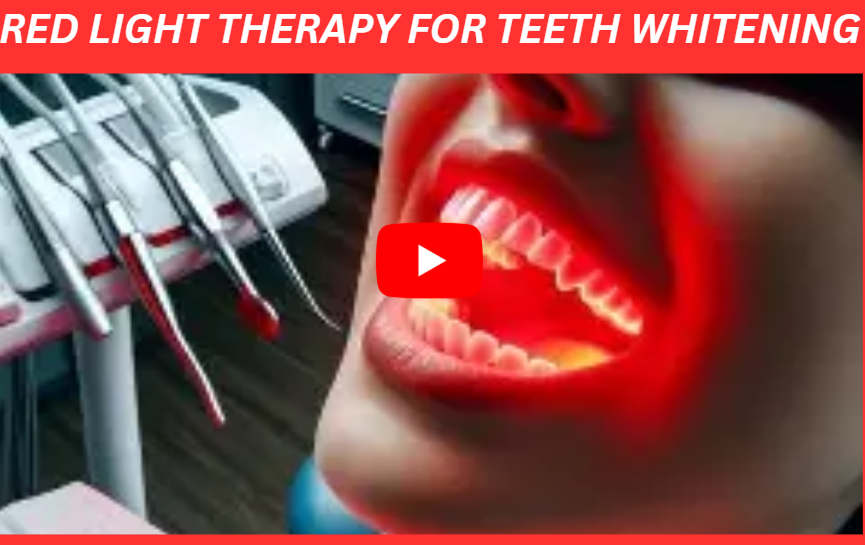

While red light therapy is widely used in skincare, wound healing, and wellness applications, its role in cosmetic dentistry remains a topic of growing interest.
This guide explores how red light therapy works, whether it can whiten teeth, its potential benefits, safety considerations, and what current research says about this innovative approach.
What Is Red Light Therapy?
Red light therapy (RLT), also known as photobiomodulation therapy or low-level light therapy, uses specific wavelengths of red and near-infrared light to stimulate cellular activity.
Red light therapy for teeth whitening may support oral health and comfort while helping maintain a brighter smile when combined with proper care daily
The treatment is designed to support natural biological processes by helping cells produce more energy. Red light therapy has been studied for several health and wellness applications, including:
- Skin rejuvenation
- Wound healing
- Inflammation reduction
- Muscle recovery
- Pain management
- Improved circulation
The therapy is non-invasive and generally well-tolerated, making it attractive for various medical and cosmetic uses.
Understanding Teeth Whitening
To understand the potential role of red light therapy, it’s important to first understand how teeth whitening works.
Tooth discoloration can occur due to:
- Coffee consumption
- Tea drinking
- Red wine
- Smoking and tobacco use
- Aging
- Certain medications
- Poor oral hygiene
Most professional and at-home whitening treatments use bleaching agents such as:
- Hydrogen peroxide
- Carbamide peroxide
These ingredients penetrate the tooth enamel and break apart stain molecules, creating a whiter appearance.
Professional treatments typically provide faster and more dramatic results because they use stronger whitening agents under dental supervision.
How Light-Assisted Teeth Whitening Works
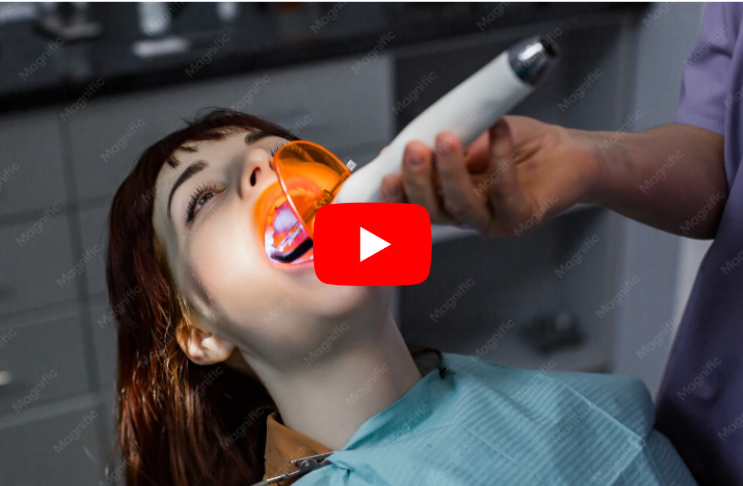
Many modern whitening systems combine bleaching agents with specialized lights.
Common whitening lights include:
- LED lights
- Blue lights
- Laser lights
These lights are often used to accelerate or enhance the whitening process.
In most cases, the whitening gel performs the primary stain-removal function, while the light may help improve treatment efficiency.
This distinction is important because many people assume that the light itself does all the whitening. In reality, bleaching agents remain the main driver of whitening results.
Can Red Light Therapy Whiten Teeth?
The most common question is whether red light therapy alone can whiten teeth.
Current evidence suggests that red light therapy does not directly bleach teeth the way peroxide-based whitening treatments do.
Traditional whitening occurs through a chemical process that breaks down stain molecules inside the enamel. Red light therapy does not perform this same function.
However, researchers have explored whether red light therapy may:
- Support whitening procedures
- Reduce tooth sensitivity
- Improve patient comfort
- Promote healthier oral tissues
- Enhance overall treatment experiences
As a result, red light therapy is generally viewed as a supportive therapy rather than a standalone whitening treatment.
The Science Behind Red Light Therapy and Oral Health
Red light therapy works by stimulating mitochondria, the structures inside cells responsible for energy production.
When exposed to specific wavelengths of red light, cells may increase energy production and activate natural healing processes.
Researchers have explored several oral health applications.
Reducing Gum Inflammation
Inflamed gums can affect both oral health and smile aesthetics.
Some studies suggest that red light therapy may help reduce inflammation and support healthier gum tissues.
Healthy gums can contribute to a more attractive smile and better overall oral health. Supporting Tissue Healing
Red light therapy has been studied for its ability to promote tissue repair and healing.
In dental settings, it may be used to support recovery following certain procedures.
Potential benefits include:
- Reduced discomfort
- Faster healing
- Improved tissue regeneration
Managing Tooth Sensitivity
Sensitivity is one of the most common side effects associated with whitening treatments.
Some evidence suggests that red light therapy may help reduce discomfort and sensitivity following whitening procedures.
Red Light Therapy vs. Blue Light Whitening
Many consumers confuse red light therapy with blue-light whitening systems.
Although both involve light technology, they serve different purposes.
Blue Light Whitening
Blue light systems are specifically designed to work alongside whitening gels.
Their goal is to enhance the whitening process by activating bleaching agents.
Red Light Therapy
Red light therapy focuses on supporting cellular health and tissue function.
Rather than directly removing stains, red light may help improve comfort and support oral tissue wellness.
Because of these differences, red light therapy should not be considered a replacement for traditional whitening treatments.
Potential Benefits of Red Light Therapy for Teeth Whitening
Although red light therapy may not directly whiten teeth, it may provide several supportive benefits.
1. Improved Treatment Comfort
Whitening procedures can sometimes cause temporary discomfort.
Red light therapy may help create a more comfortable experience during and after treatment.
2. Reduced Tooth Sensitivity
Sensitivity can discourage some individuals from pursuing whitening treatments.
By potentially reducing discomfort, red light therapy may help improve treatment tolerance.
3. Healthier Gum Tissue
Healthy gums contribute to both oral wellness and the appearance of the smile.
Red light therapy may support gum health by promoting tissue recovery and reducing inflammation.
4. Non-Invasive Treatment Option
One of the most appealing aspects of red light therapy is its non-invasive nature.
There are no injections, surgical procedures, or lengthy recovery periods involved.
5. Enhanced Oral Wellness
By supporting healthy tissues and cellular function, red light therapy may complement broader oral care goals.
What Research Says About Light-Based Whitening
Research on light-assisted whitening continues to evolve.
Some studies suggest that combining light technologies with bleaching agents may improve whitening outcomes.
Other studies indicate that most whitening effects come primarily from the bleaching agents themselves.
Researchers generally agree on several key points:
- Peroxide-based agents remain the primary whitening mechanism.
- Light technologies may offer supportive benefits.
- Results vary among individuals.
- More research is needed to determine the precise role of different light wavelengths.
Current evidence supports realistic expectations regarding red light therapy and cosmetic whitening.
Who May Consider Red Light Therapy?
Certain individuals may find red light therapy beneficial as part of a comprehensive dental care plan.
Individuals with Sensitive Teeth
People who experience discomfort during whitening procedures may benefit from supportive therapies designed to improve comfort.
Cosmetic Dentistry Patients
Red light therapy may complement various cosmetic dental treatments.
Oral Health Enthusiasts
Those focused on maintaining healthy gums and oral tissues may appreciate the potential wellness benefits.
Individuals Seeking Non-Invasive Options
People looking for gentle, non-invasive therapies may find red light treatment appealing.
What Happens During a Red Light Therapy Session?
Treatment protocols vary depending on the provider and equipment used.
A typical session may involve:
- Examination of the teeth and gums.
- Cleaning the treatment area.
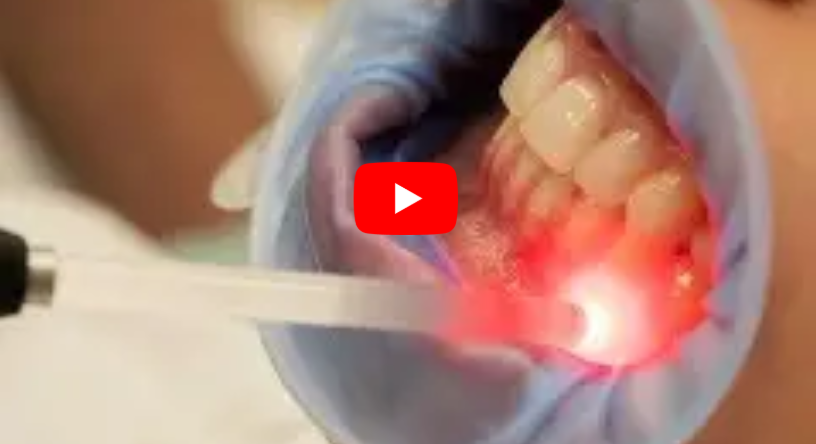
- Position the light device near the mouth.
- Exposing tissues to red light for a specified period.
- Completing any accompanying whitening procedures.
Most sessions are relatively short and require little to no downtime.
At-Home Red Light Therapy Devices
The popularity of at-home dental care has led to the introduction of various light-based oral care devices.
These products may be marketed as:
- LED whitening kits
- Light-activated whitening systems
- Oral wellness light devices
Before purchasing a device, consumers should evaluate:
- Product quality
- Safety certifications
- Manufacturer reputation
- Clinical support
- Professional recommendations
Consulting a dental professional before beginning any whitening regimen is often advisable.
Safety Considerations
Safety should always be a priority when considering cosmetic dental treatments.
Generally Considered Safe
When used correctly, red light therapy is generally regarded as safe and non-invasive.
Follow Instructions Carefully
Improper use of any dental device can increase the risk of unwanted effects.
Always follow manufacturer instructions and professional guidance.
Consult a Dental Professional
A dentist can determine whether a whitening treatment is appropriate based on:
- Current oral health
- Existing dental restorations
- Tooth sensitivity
- Gum condition
Understand Treatment Limitations
Whitening treatments may not significantly affect:
- Crowns
- Veneers
- Fillings
- Dental bonding materials
Professional guidance can help establish realistic expectations.
Common Myths About Red Light Therapy for Teeth Whitening
Myth 1: Red Light Instantly Whitens Teeth
Red light therapy does not directly bleach teeth like peroxide whitening treatments.
Myth 2: More Light Means Better Results
Using more light than recommended does not necessarily improve outcomes.
Myth 3: All Light-Based Systems Work the Same Way
Different systems use different wavelengths and technologies.
Results can vary significantly.
Myth 4: Whitening Results Last Forever
Even professionally whitened teeth can become stained again over time.
Regular maintenance and good oral hygiene remain essential.
Tips for Maintaining a Whiter Smile
Regardless of the whitening method used, maintaining results requires ongoing care.
Practice Excellent Oral Hygiene
Brush twice daily and floss regularly.
Limit Staining Beverages
Reduce consumption of:
- Coffee
- Tea
- Red wine
- Dark sodas
Avoid Tobacco Products
Smoking and tobacco use are major causes of tooth discoloration.
Schedule Regular Dental Cleanings
Professional cleanings help remove surface stains and support oral health.
Follow Professional Recommendations
Use whitening products responsibly and in accordance with professional guidance.
Is Red Light Therapy Worth Trying?
Red light therapy may offer supportive benefits for individuals interested in oral wellness and cosmetic dentistry.
However, it is important to understand that:
- It does not replace traditional whitening agents.
- It is not a miracle whitening solution.
- Its primary benefits may involve tissue support and comfort.
- Results vary from person to person.
For those seeking significant whitening results, professional dental treatments and evidence-based whitening products remain the most effective options.
Conclusion
Red Light Therapy for Teeth Whitening is an emerging area of interest within cosmetic dentistry.
While current evidence indicates that red light therapy does not directly whiten teeth in the same way as peroxide-based bleaching agents, it may provide valuable supportive benefits.
These may include reduced sensitivity, improved comfort, healthier gum tissues, and enhanced oral wellness.
As research continues to develop, red light therapy may become an increasingly useful complement to traditional whitening procedures.
Individuals considering this treatment should consult a dental professional to determine whether it aligns with their oral health needs and cosmetic goals.
A healthy, bright smile is best achieved through a combination of good oral hygiene, regular dental care, healthy lifestyle habits, and informed treatment choices.
References
- https://www.webmd.com/oral-health/what-is-tooth-whitening
- https://en.wikipedia.org/wiki/Tooth_whitening
- https://en.wikipedia.org/wiki/Dentistry
