Introduction
Neuropathy affects millions of people worldwide and can significantly impact daily life. Individuals living with neuropathy often experience symptoms.
Such as tingling, numbness, burning sensations, muscle weakness, and nerve pain, particularly in the hands and feet.
Because conventional treatments may not eliminate symptoms, many people search for natural remedies that may support nerve health and improve comfort.
One wellness trend that has gained attention online is known as “The Pink Salt Trick for Neuropathy.”
Social media posts, videos, and wellness blogs frequently suggest that pink Himalayan salt may help reduce neuropathy symptoms, improve circulation, support hydration, and enhance overall nerve function.

But what exactly is the pink salt trick? Can pink Himalayan salt really help people with neuropathy? Is there scientific evidence behind these claims, or is it simply another wellness trend?
This comprehensive guide explores the pink salt trick for neuropathy, the possible benefits associated with pink Himalayan salt, the science behind hydration and nerve health, potential risks, and practical ways to support healthy nerve function.
What Is Neuropathy?
Neuropathy, also called peripheral neuropathy, occurs when nerves outside the brain and spinal cord become damaged.
The condition can result from various causes, including:
- Diabetes
- Vitamin deficiencies
- Autoimmune disorders
- Chronic alcohol use
- Infections
- Certain medications
- Physical injuries
- Kidney disease
- Exposure to toxins
Symptoms vary from person to person but commonly include:
- Tingling sensations
- Numbness
- Burning pain
- Sharp or stabbing pain
- Muscle weakness
- Increased sensitivity to touch
- Loss of balance and coordination
Since nerve damage can be difficult to reverse, many people explore lifestyle changes, nutrition strategies, and natural wellness approaches to support nerve health.
What is the Pink Salt Trick for Neuropathy?
Pink salt is a naturally occurring rock salt mined primarily from the Khewra Salt Mine in Pakistan. It gets its distinctive pink color from trace minerals such as iron, potassium, calcium, and magnesium.
Unlike highly processed table salt, pink salt is minimally refined and contains small amounts of naturally occurring minerals.
Many wellness enthusiasts prefer pink salt because it is:
- Less processed
- Free from certain additives
- Rich in trace minerals
- Popular in natural health practices
- Frequently used in hydration drinks and wellness recipes
Although pink salt contains trace minerals, it is still primarily composed of sodium chloride, similar to regular salt.
What Is the Pink Salt Trick for Neuropathy?
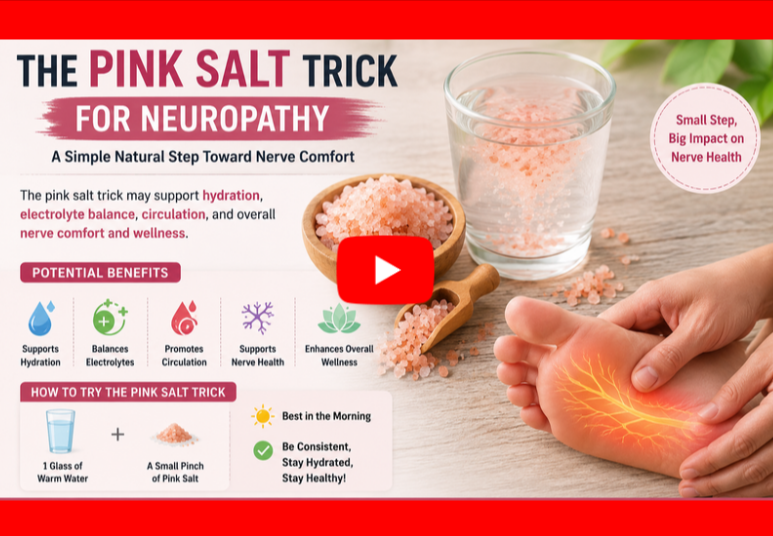
The phrase “pink salt trick for neuropathy” generally refers to consuming a small amount of pink Himalayan salt mixed with water, often first thing in the morning.
Some variations include:
- Pink salt and warm water
- Pink salt with lemon juice
- Pink salt mixed into electrolyte drinks
- Pink salt combined with apple cider vinegar
Supporters claim that this practice may help:
- Improve hydration
- Support electrolyte balance
- Promote circulation
- Reduce muscle cramps
- Enhance nerve communication
- Improve overall wellness
It is important to understand that the pink salt trick is not a recognized medical treatment for neuropathy. Rather, it is a wellness practice based on the belief that proper hydration and electrolyte balance support healthy nerve function.
Why Hydration Matters for Nerve Health
One reason the pink salt trick has gained popularity is the connection between hydration and nerve function.
The nervous system depends on proper fluid balance to transmit signals efficiently throughout the body. Dehydration can contribute to symptoms such as:
- Muscle cramps
- Fatigue
- Dizziness
- Weakness
- Reduced physical performance
Electrolytes play a crucial role in nerve communication. These minerals help regulate electrical signals that allow nerves and muscles to function properly.
Key electrolytes include:
- Sodium
- Potassium
- Magnesium
- Calcium
- Chloride
When hydration levels are inadequate, nerve signaling may become less efficient, potentially worsening discomfort in some individuals.
For this reason, maintaining healthy hydration habits is an important part of overall wellness.
Could Pink Salt Help Neuropathy Symptoms?
While pink salt itself is not a cure for neuropathy, there are several reasons why some individuals report feeling better after incorporating it into their wellness routines.
1. Supports Hydration
Adding a small amount of salt to water may encourage fluid retention and help maintain electrolyte balance.
Adequate hydration supports:
- Cellular function
- Blood circulation
- Muscle performance
- Nerve communication
Mildly dehydrated individuals may notice improvements in energy and physical comfort after improving hydration habits.
2. Provides Trace Minerals
Pink Himalayan salt contains small amounts of:
- Magnesium
- Calcium
- Potassium
- Iron
These minerals are involved in many biological processes, including nerve and muscle function.
Although the mineral quantities are relatively small, many people appreciate pink salt as part of a balanced wellness routine.
3. May Support Muscle Comfort
People with neuropathy sometimes experience:
- Leg cramps
- Muscle tightness
- Foot discomfort
Proper hydration and electrolyte balance may help support normal muscle function, which could indirectly contribute to greater comfort.
4. Encourages Better Wellness Habits
Many people who begin the pink salt trick also improve other aspects of their health, including:
- Drinking more water
- Eating healthier foods
- Exercising regularly
- Managing blood sugar levels
- Prioritizing sleep
These broader lifestyle improvements may contribute to symptom management more than the salt itself.
Understanding the Limits of Pink Salt
Despite the popularity of pink salt wellness trends, it is important to maintain realistic expectations.
Pink Himalayan salt:
- Does not repair damaged nerves
- Does not reverse diabetic neuropathy
- Is not a medically proven neuropathy treatment
- Cannot replace professional medical care
Many online claims exaggerate its benefits and suggest that pink salt alone can eliminate nerve pain. Such statements are not supported by current medical evidence.
Instead, pink salt should be viewed as one small component of a broader wellness strategy.
Additional Natural Approaches That May Support Nerve Health
For individuals looking to support nerve function naturally, several evidence-based lifestyle practices may be beneficial.
Maintain Healthy Blood Sugar Levels
Diabetes is one of the most common causes of neuropathy.
Managing blood glucose levels may help:
- Slow nerve damage progression
- Reduce complications
- Support long-term nerve health
Strategies include:
- Balanced nutrition
- Regular exercise
- Following medical recommendations
Eat a Nutrient-Rich Diet
Nerves depend on numerous vitamins and minerals for proper function.
Important nutrients include:
- Vitamin B12
- Vitamin B6
- Folate
- Vitamin D
- Omega-3 fatty acids
- Magnesium
A diet rich in vegetables, fruits, lean proteins, and healthy fats can support overall neurological health.
Stay Physically Active
Regular movement may help:
- Improve circulation
- Support balance
- Enhance muscle strength
- Promote overall wellness
Low-impact activities include:
- Walking
- Swimming
- Cycling
- Stretching
- Yoga
Prioritize Sleep
Quality sleep is essential for recovery and nervous system health.
Poor sleep may worsen:
- Pain sensitivity
- Fatigue
- Stress levels
- Inflammation
Aim for consistent, restorative sleep each night.
Manage Stress
Chronic stress may contribute to increased pain perception and reduced overall well-being.
Helpful stress-management practices include:
- Meditation
- Deep breathing
- Mindfulness
- Gentle exercise
- Spending time outdoors
How to Use the Pink Salt Trick Safely
If you would like to try the pink salt trick as part of your wellness routine, moderation is essential.
A common approach includes:
Simple Pink Salt Hydration Drink
Ingredients:
- 8–12 ounces of water
- A small pinch of pink Himalayan salt
- Optional squeeze of fresh lemon
Directions:
- Add a small pinch of pink salt to the water.
- Stir until dissolved.
- Drink as part of your hydration routine.
The goal is not to consume large amounts of salt but rather to maintain healthy hydration habits.
Who Should Be Cautious?
Not everyone should increase salt intake.
Individuals with the following conditions should consult a healthcare professional before trying salt-based wellness practices:
- High blood pressure
- Kidney disease
- Heart disease
- Fluid retention disorders
- Certain endocrine conditions
Excessive sodium intake may worsen these conditions.
Potential Risks of Too Much Pink Salt
Even though pink Himalayan salt is often marketed as a healthier alternative, consuming too much can still lead to problems.
Potential concerns include:
- Elevated blood pressure
- Water retention
- Bloating
- Kidney strain
- Electrolyte imbalances
- Excess sodium intake
More is not better. Moderation remains important.
Common Myths About the Pink Salt Trick
Myth 1: Pink Salt Cures Neuropathy
There is currently no evidence that pink Himalayan salt cures neuropathy or reverses nerve damage.
Myth 2: Pink Salt Repairs Nerves
Healthy nutrition supports nerve health, but pink salt alone cannot regenerate damaged nerves.
Myth 3: Pink Salt Is Dramatically Healthier Than Regular Salt
While pink salt contains trace minerals, the differences between pink salt and regular salt are relatively small from a nutritional standpoint.
Myth 4: The More Pink Salt You Consume, the Better
Excessive sodium intake can create health risks. Balanced consumption is essential.
A Balanced Perspective
The popularity of the pink salt trick for neuropathy highlights a growing interest in natural wellness strategies.
While pink Himalayan salt is not a cure for nerve damage, it may play a small role in supporting hydration and electrolyte balance when used responsibly.
For some people, improved hydration habits may contribute to better overall comfort and wellness.
However, neuropathy is a complex medical condition that often requires a comprehensive approach involving nutrition, physical activity, medical care, and healthy lifestyle choices.
The most effective strategy is not to rely on a single remedy but to focus on long-term habits that support nerve health and whole-body wellness.
Conclusion
The pink salt trick for neuropathy has become a popular wellness trend, largely due to the connection between hydration, electrolytes, and healthy nerve function.
Pink Himalayan salt contains trace minerals and may help support hydration when used in moderation.
However, it is important to understand that pink salt is not a proven treatment, cure, or reversal method for neuropathy.
Current evidence does not support claims that it can repair damaged nerves or eliminate neuropathic pain.
Individuals living with neuropathy may benefit most from a comprehensive wellness plan that includes proper hydration, balanced nutrition, physical activity, blood sugar management, stress reduction, and professional medical guidance.
When viewed realistically, pink Himalayan salt can be part of a healthy lifestyle—but it should never replace evidence-based medical care for neuropathy.
References
