Pain affects millions of people every day. Whether it is joint discomfort, muscle soreness, arthritis-related stiffness, headaches, or inflammation caused by everyday activities, many individuals look for natural ways to support comfort and wellness. One traditional remedy that continues to gain popularity is Turmeric Honey Memory for Pain Relief.
This simple combination of turmeric and honey has been used in traditional wellness practices for centuries.
Supporters believe it may help reduce inflammation, support mobility, promote recovery, and contribute to overall health.
In recent years, scientific research has increased interest in turmeric because of its active compound, curcumin, which has demonstrated antioxidant and anti-inflammatory properties. Honey also contains natural antioxidants and plant compounds that may support wellness.


While turmeric honey is not a cure for pain and should never replace professional medical care, it can be a valuable addition to a healthy lifestyle.
This guide explores everything you need to know about Turmeric Honey Memory for Pain Relief, including benefits, recipes, safety considerations, and scientific findings.
What Is Turmeric Honey Memory for Pain Relief?
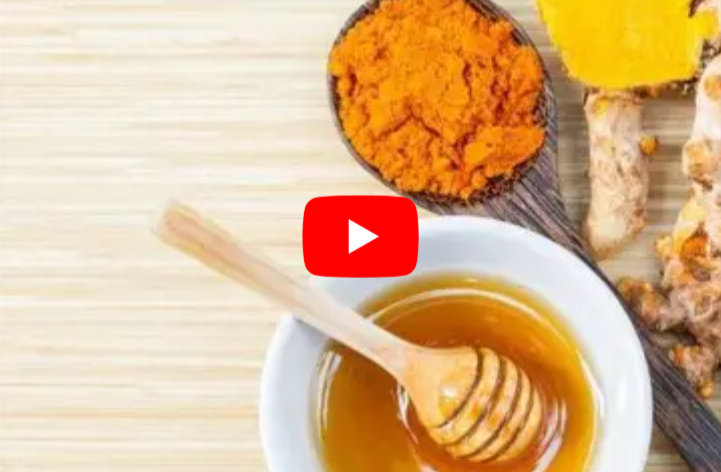
Turmeric Honey Memory for Pain Relief is a natural mixture typically made by combining turmeric powder and honey. Some recipes also include black pepper, ginger, cinnamon, or lemon.
The phrase “memory” is often associated with growing interest in turmeric’s potential role in supporting cognitive wellness alongside its anti-inflammatory benefits.
Turmeric honey for pain relief may support healthy inflammation, joint comfort, recovery, and wellness with antioxidant-rich ingredients daily safely.
Because both turmeric and honey contain antioxidant compounds, many people use this combination as part of a broader wellness routine focused on healthy aging and overall well-being.
The mixture is simple, affordable, and easy to prepare at home. Many individuals take a spoonful daily or mix it into tea, warm water, or milk.
Understanding Turmeric
Turmeric comes from the root of the plant Curcuma longa, a member of the ginger family. It has been used for thousands of years in traditional Ayurvedic practices and remains one of the most widely studied spices in modern nutrition research.
Key Components of Turmeric
Turmeric contains several plant compounds known as curcuminoids. Among them, curcumin is the most researched and is considered the primary active ingredient. Curcumin gives turmeric its distinctive yellow color and contributes to many of its potential health benefits.
Turmeric also contains:
- Antioxidants
- Essential oils
- Fiber
- Vitamins and minerals
- Natural plant compounds
Researchers continue to study curcumin because of its ability to influence inflammatory and oxidative stress pathways in the body.
Understanding Honey
Honey has been valued as both a food and a wellness ingredient throughout human history. Natural honey contains:
- Antioxidants
- Polyphenols
- Trace minerals
- Enzymes
- Natural sugars
In addition to providing sweetness, honey contributes beneficial plant compounds that may support overall wellness. Honey is often paired with turmeric because it improves flavor and creates a smooth, easy-to-consume mixture.
Why Turmeric and Honey Are Combined
Turmeric alone has a strong, earthy flavor that some people find difficult to enjoy. Honey balances the taste while contributing its own antioxidant compounds.
Together, they create a convenient wellness blend that many people use daily. Traditional practices have long suggested that combining these ingredients may help support:
- Joint comfort
- Muscle recovery
- Healthy inflammatory responses
- Immune function
- Overall vitality
Although scientific evidence on the specific combination remains limited, research on the individual ingredients is encouraging.
How Turmeric Honey May Help Support Pain Relief
Supports Healthy Inflammatory Responses
Inflammation is a natural defense mechanism. However, chronic inflammation may contribute to discomfort and reduced mobility.
Curcumin has been widely studied for its anti-inflammatory properties. Research suggests it may help influence various inflammatory pathways within the body.
These effects are among the primary reasons turmeric is commonly used by individuals seeking natural support for pain management.
Provides Antioxidant Protection
Oxidative stress occurs when free radicals outnumber antioxidants in the body.
Curcumin functions as a powerful antioxidant and may help neutralize harmful free radicals. Honey also contains antioxidant compounds that contribute to overall cellular health. Together, these ingredients may help support the body’s natural recovery processes.
May Support Joint Comfort
Joint discomfort is a common concern, particularly among older adults.
Several studies have investigated curcumin’s potential role in supporting individuals experiencing osteoarthritis-related symptoms.
Findings suggest that turmeric may help support mobility and comfort when used as part of a healthy lifestyle. Physical Activity
Exercise places temporary stress on muscles and joints. Because curcumin may support healthy inflammatory responses, many active individuals use turmeric-based beverages after workouts to aid recovery and reduce post-exercise soreness.
Supports Everyday Comfort
Many people use turmeric honey not only for specific pain concerns but also to maintain overall comfort, flexibility, and wellness as part of their daily routine.
The Memory Connection
The word “memory” in Turmeric Honey Memory for Pain Relief often reflects interest in turmeric’s potential cognitive benefits.
Researchers have explored whether curcumin’s antioxidant properties may support healthy brain function and aging. While more human studies are needed, early findings have generated significant interest in turmeric’s potential role in cognitive wellness.
It is important to note that turmeric should not be considered a treatment for memory disorders. However, including antioxidant-rich foods in a balanced diet may contribute to overall brain health.
Why Black Pepper Is Often Recommended
One challenge with curcumin is that the body absorbs it poorly.
Black pepper contains a compound called piperine that may significantly improve curcumin absorption. This is why many turmeric recipes include a small amount of black pepper. Experts frequently recommend pairing turmeric with black pepper or healthy fats to enhance bioavailability.
Simple Turmeric Honey Recipe
Ingredients
- 1 tablespoon turmeric powder
- 3 tablespoons raw honey
- Pinch of black pepper
Instructions
- Place turmeric in a bowl.
- Add honey and mix thoroughly.
- Stir in black pepper.
- Store in a sealed glass container.
Suggested Use
Many people choose to consume:
- One teaspoon daily
- Mixed into warm water
- Added to tea
- Stirred into warm milk
Golden Milk for Pain Relief
Golden milk is one of the most popular turmeric beverages.
Ingredients
- 1 cup milk or plant-based milk
- 1 teaspoon turmeric
- 1 teaspoon honey
- Pinch of black pepper
- Optional cinnamon
Directions
- Warm the milk gently.
- Add turmeric and black pepper.
- Stir until blended.
- Remove from heat.
- Add honey.
- Serve warm.
This soothing beverage is commonly enjoyed in the evening.
Additional Ingredients That Pair Well With Turmeric Honey
Ginger
Ginger contains compounds that may support healthy inflammatory responses and complement turmeric’s effects.
Cinnamon
Cinnamon adds flavor and additional antioxidant compounds.
Lemon
Lemon provides vitamin C and a refreshing taste.
Coconut Oil
Because curcumin is fat-soluble, adding healthy fats may help improve absorption.
Potential Wellness Benefits Beyond Pain Relief
Immune Support
Turmeric and honey both contain compounds associated with immune health and antioxidant activity.
Digestive Wellness
Traditional practices have long used turmeric to support healthy digestion.
Healthy Aging
Antioxidants help protect cells from oxidative stress, which is associated with aging.
Cardiovascular Support
Research suggests curcumin may help support heart health through multiple biological pathways, although further research remains necessary.
What Science Currently Says
Scientific interest in turmeric has expanded significantly over the past two decades.
Research indicates that curcumin possesses antioxidant and anti-inflammatory properties and may help support individuals experiencing joint discomfort and inflammation-related concerns. However, researchers also emphasize that more large-scale human studies are needed.
Some studies suggest benefits for:
- Osteoarthritis symptoms
- Exercise recovery
- Antioxidant protection
- Healthy inflammatory responses
At the same time, experts caution against viewing turmeric as a miracle cure. Evidence remains mixed, and results can vary between individuals.

Who May Consider Using Turmeric Honey?
Adults interested in natural wellness approaches may consider adding turmeric honey to a balanced lifestyle, particularly those seeking support for:
- Joint comfort
- Muscle recovery
- Active lifestyles
- Healthy aging
- Antioxidant intake
Safety Considerations
Although turmeric and honey are generally safe when consumed as foods, there are situations where caution is necessary.
Consult a Healthcare Professional If You:
- Take blood-thinning medications
- Have gallbladder disease
- Have kidney stone concerns
- Are you pregnant or breastfeeding
- Use prescription medications regularly
High-dose turmeric supplements may cause side effects or interact with medications. Food-based use is generally considered safer than high-dose supplementation.
Honey Precautions
Honey should never be given to infants younger than one year.
Lifestyle Habits That May Enhance Results
Turmeric honey works best when combined with healthy habits.
Stay Active
Regular physical activity supports flexibility, mobility, and overall health.
Eat a Balanced Diet
Focus on:
- Fruits
- Vegetables
- Whole grains
- Healthy fats
- Lean proteins
Sleep Well
Quality sleep supports recovery and healthy inflammatory processes.
Stay Hydrated
Proper hydration contributes to overall wellness.
Manage Stress
Chronic stress may influence inflammation and discomfort. Relaxation techniques, mindfulness, and regular exercise may help.
Conclusion
Turmeric Honey Memory for Pain Relief remains one of the most popular natural wellness remedies because it combines two ingredients known for their antioxidant properties and long history of traditional use.
Curcumin, the primary active compound in turmeric, has shown promise in supporting healthy inflammatory responses and overall wellness, while honey contributes beneficial plant compounds and natural sweetness.
Research continues to explore the potential benefits of turmeric for pain support, mobility, and healthy aging.
Although turmeric honey is not a cure or a replacement for medical treatment, it may be a valuable addition to a balanced lifestyle focused on nutrition, movement, hydration, and preventive health care.
When used responsibly and consistently, many individuals find it to be a simple and enjoyable way to support everyday comfort and well-being.
Frequently Asked Questions
How long does it take to notice benefits?
Experiences vary. Some individuals notice changes within weeks, while others may require longer periods of consistent use.
Can turmeric honey replace pain medication?
No. Turmeric honey should not replace prescribed medications or professional medical advice.
Can I take turmeric and honey every day?
Many people include it in their daily diet. Moderation is generally recommended.
Is fresh turmeric better than powdered turmeric?
Both forms can be used. Fresh turmeric may provide a stronger flavor and additional plant compounds.
Why is black pepper important?
Black pepper contains piperine, which may help improve curcumin absorption.
References
